


What's Happening?
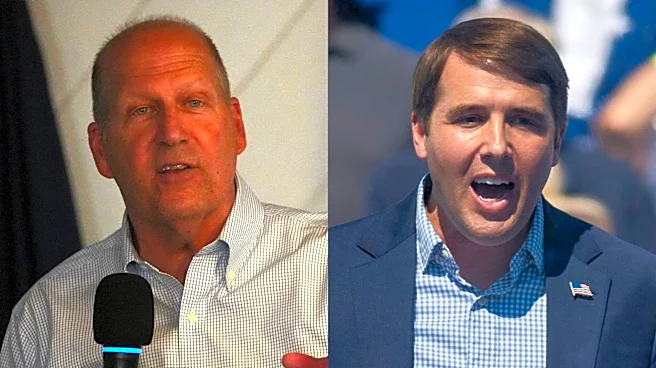
Representative Chris Pappas has won the Democratic Senate primary in New Hampshire, defeating challenger Karishma Manzur. This victory positions Pappas to contend for the U.S. Senate seat being vacated by the retiring Democratic Senator Jeanne Shaheen.
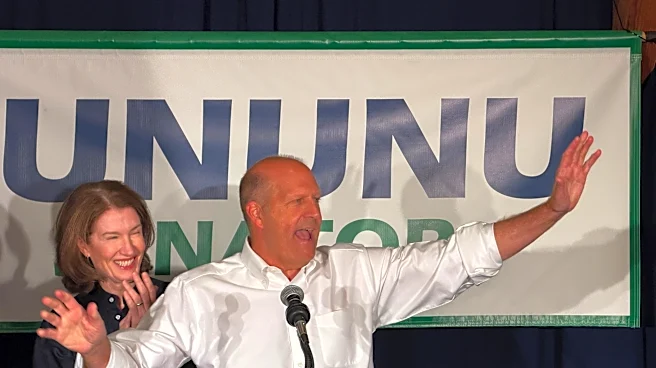
Pappas, who has served four terms representing New Hampshire’s 1st Congressional District, secured approximately 62% of the vote against Manzur's 36%, with a significant portion of votes tallied. His campaign received strong backing from the Democratic establishment and unions. Pappas will now face former Republican U.S. Senator John E. Sununu in the November general election. The primary race was notable for its ideological divide, with Manzur, a democratic socialist, advocating for policies such as universal healthcare, a $20 minimum wage, and an end to military aid to Israel, while criticizing Pappas's ties to groups like AIPAC. Pappas, in turn, emphasized his pragmatic approach and commitment to addressing issues like affordability, while also expressing disagreements with Israeli Prime Minister Benjamin Netanyahu's actions.
Why It's Important?
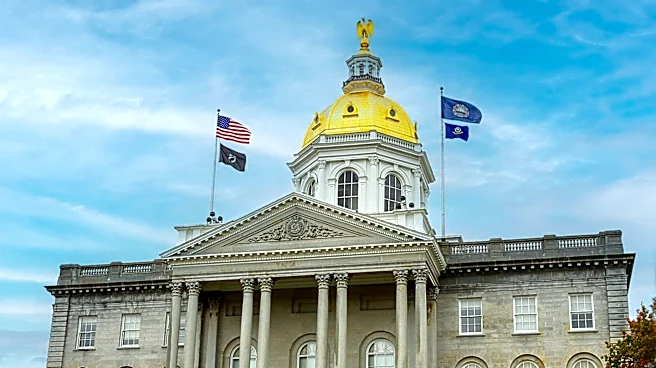
This primary outcome sets the stage for a critical general election that is widely seen as essential for determining control of the U.S. Senate. New Hampshire's open Senate seat is a key target for both Democrats, who aim to retain the seat, and Republicans, who view it as a prime opportunity to expand their slim majority. Pappas's win, despite a more competitive primary than initially anticipated, provides Democrats with a well-known and experienced candidate. His long history in state politics, including roles as state representative, county treasurer, and executive councilor, along with his family's local business, the Puritan Backroom, gives him significant name recognition and community ties. The general election will test the political landscape in New Hampshire, a swing state that has historically elected Republicans at the state level but has recently sent Democrats to the U.S. Senate and House. The contest will also highlight national political themes, including U.S. support for Israel and economic concerns, as both candidates appeal to the state's pragmatic voter base.
What's Next?
Chris Pappas will now advance to the November general election to face former Republican U.S. Senator John E. Sununu. The campaign is expected to be highly competitive, with both national parties investing significant resources into the race. Pappas has already begun to focus on the general election, launching attacks against Sununu regarding his past record on tax breaks and ties to the insurance industry. Republicans, including the GOP super PAC Senate Leadership Fund, have also started to target Pappas, particularly on tax-related issues. The race will likely feature continued debates on economic policies, U.S. foreign policy, and the candidates' respective political records. Pappas's ability to unify the Democratic party after a heated primary and appeal to New Hampshire's independent voters will be crucial. The outcome of this election will have direct implications for the balance of power in the U.S. Senate, making it one of the most closely watched races in the upcoming midterms.
Beyond the Headlines
The New Hampshire Senate race between Chris Pappas and John E. Sununu extends beyond a typical political contest, touching upon broader ideological shifts within the Democratic Party and the enduring influence of political dynasties. Manzur's stronger-than-expected performance in the primary, despite being a political newcomer, highlights the growing appeal of progressive and democratic socialist platforms within the party, particularly on issues like healthcare and foreign policy. This reflects a national trend where the far-left is increasingly challenging centrist Democrats. For Pappas, his victory, while securing the nomination, also underscores the need to bridge internal party divides and consolidate support from both moderate and progressive wings. Furthermore, the contest against Sununu, who comes from a prominent New Hampshire political family and has received President Trump's endorsement, emphasizes the continued relevance of established political names and the complexities of navigating endorsements from national figures. The election will serve as a barometer for the state of political discourse, the effectiveness of different campaign strategies, and the evolving preferences of the American electorate.