





What's Happening?
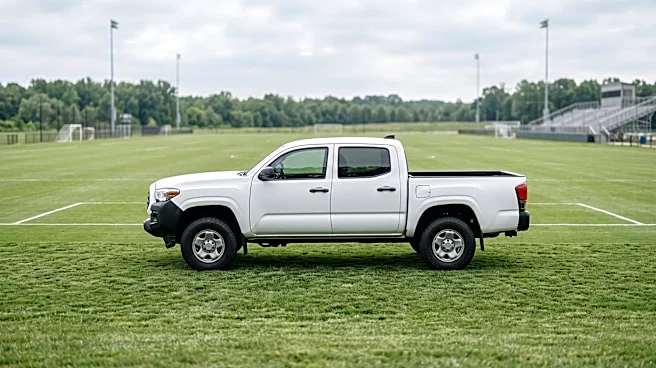
Sedgwick County District Attorney Marc Bennett has announced that no charges will be filed against the driver involved in a tragic incident where a pickup truck struck and killed two individuals and injured nearly a dozen others at a youth soccer match.
The incident occurred last month at the Stryker Complex in Wichita, Kansas. The driver, who has not been identified, reportedly drove to the complex with her children and was sleeping in her vehicle prior to the crash. She believed the vehicle was in park. According to Bennett, the investigation considered six possibilities for the crash, including a medical emergency, impairment, mechanical malfunction, an intentional act, a child inadvertently putting the vehicle in drive, or driver confusion about the gear. The first four possibilities were ruled out. Bennett stated that for charges to be filed, the act must be intentional, knowing, and/or reckless, and there was no evidence to support this. Wichita Police Chief Joe Sullivan confirmed that medical records and videos showed no evidence of impairment, and no mechanical issues were found with the vehicle. The victims were identified as Nick Schafer, 35, and 6-year-old Cole Adrian, both from McPherson.
Why It's Important?
This decision highlights the legal complexities surrounding accidental deaths and the high bar for criminal charges in such cases, particularly in Kansas where negligent homicide is not a chargeable offense. The ruling underscores the distinction between negligence and criminal intent, which can be a difficult concept for the public to reconcile, especially in the wake of a tragic loss of life. For the families of the victims, this outcome means that while the driver's actions led to devastating consequences, the legal system has determined that those actions do not meet the threshold for criminal prosecution. This could lead to public debate about the adequacy of existing laws in addressing incidents that cause death or serious injury due to extreme negligence, even if unintentional. It also brings attention to safety protocols at public venues, particularly those hosting children's events, and whether more stringent measures are needed to prevent similar accidents.
What's Next?
While criminal charges have been ruled out, the possibility of civil litigation remains for the families of Nick Schafer and Cole Adrian. Such legal action would seek to establish civil liability for the deaths and injuries, potentially leading to financial compensation for damages. The incident may also prompt a review of safety measures at the Stryker Complex and similar sports facilities across the state and potentially nationally. Authorities and facility operators might consider implementing additional physical barriers, stricter parking regulations, or enhanced supervision to prevent vehicles from accessing playing fields. The community will likely continue to grapple with the emotional aftermath of the tragedy, and discussions about road safety and accountability in accidental deaths are expected to persist.
Beyond the Headlines
The case delves into the ethical and societal implications of accountability when a tragic outcome is not the result of malicious intent. It raises questions about how society balances the need for justice for victims with the legal principle that criminal punishment requires a culpable state of mind. The public's perception of justice can often diverge from legal definitions, leading to frustration when criminal charges are not pursued in cases of severe accidental harm. This incident also highlights the vulnerability of public spaces, particularly those frequented by children, to unforeseen dangers. It could spark broader conversations about driver responsibility, the design of public venues, and the role of law in addressing the full spectrum of harm, from intentional acts to tragic accidents.