
What's Happening?
The International Association of Fire Chiefs (IAFC) has launched the Fire Data Analysis Working Group (FireDAWG) to address the growing need for standardized data analysis within the fire and emergency
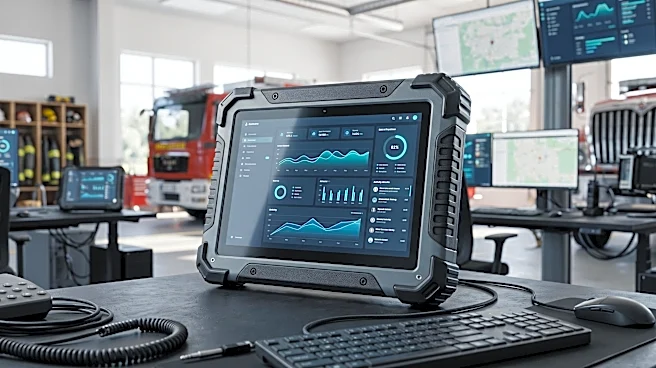
services. This initiative comes as fire departments increasingly rely on data-driven decisions for preventative measures, response times, and overall safety. The FireDAWG aims to formalize the role of Fire Data Analyst by establishing consistent guidelines and best practices, which are currently lacking across departments. The group will also foster a community for leaders, analysts, and vendors to collaborate and share expertise, and equip fire departments with the necessary resources to effectively utilize data. The establishment of FireDAWG follows significant interest, with over 650 attendees at its 2026 event, highlighting the fire service's demand for data-driven solutions.
Why It's Important?
The standardization of data analysis in the fire service is crucial for enhancing public safety and operational efficiency across the U.S. Without consistent guidelines, individual fire departments may struggle to effectively interpret and apply data, leading to varied levels of preparedness and response capabilities. FireDAWG's efforts to formalize the Fire Data Analyst role will professionalize the field, ensuring that departments have skilled personnel capable of leveraging data for critical decision-making. This initiative can lead to more optimized resource allocation, improved training programs, and more effective fire prevention strategies nationwide. Ultimately, this will result in safer communities and more efficient emergency services, benefiting both firefighters and the public they serve by reducing risks and improving outcomes during emergencies.
What's Next?
FireDAWG plans to host several Innovation Forums in 2026, including three full-day and one half-day immersive events. These forums will focus on critical fire data challenges, offering interactive workshops on predictive analytics, risk assessment, and incident response optimization. The events will bring together a diverse group of stakeholders, including firefighters, data scientists, software developers, and policymakers, to foster cross-disciplinary connections and drive innovation. The goal is to collaborate on practical solutions that leverage data to prevent fires, save lives, and improve resource allocation. These ongoing forums and collaborative efforts are expected to shape industry standards and best practices, further integrating data analysis into the core operations of fire departments across the country.
Beyond the Headlines
The establishment of FireDAWG signifies a broader shift towards data-driven decision-making in traditionally operational fields. This move reflects a growing recognition that complex public services, like fire and emergency response, can significantly benefit from analytical rigor. Beyond immediate operational improvements, this initiative could foster a culture of continuous improvement and evidence-based policy-making within the fire service. It also highlights the increasing demand for specialized data analysis skills in non-traditional sectors, potentially opening new career paths for data professionals. The success of FireDAWG could serve as a model for other public safety and emergency services seeking to enhance their effectiveness through systematic data collection and analysis, leading to a more resilient and responsive national emergency infrastructure.