






What's Happening?
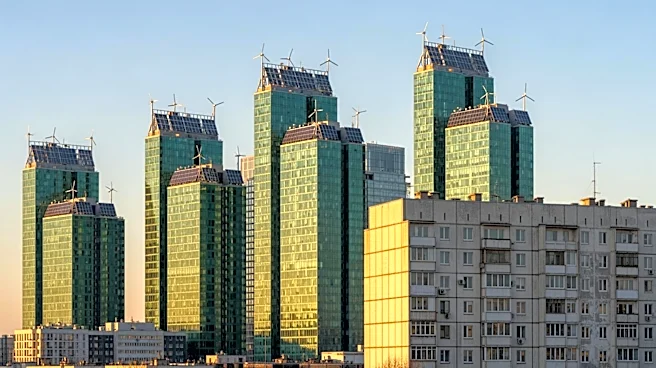
Mayor Zohran Mamdani recently announced a $2.5 billion investment in green-energy upgrades for New York City Housing Authority (NYCHA) properties, including heat pumps, induction stoves, solar panels, and electric vehicle chargers. This initiative aims
to create green jobs for NYCHA residents and replace outdated fossil fuel systems. However, the announcement has been met with criticism for prioritizing green-energy projects over addressing immediate housing issues such as mold, broken appliances, and high crime rates in public housing. Critics argue that while the mayor's efforts to promote sustainability are commendable, they overlook the pressing needs of NYCHA residents who face substandard living conditions.
Why It's Important?
The initiative highlights a significant policy debate in New York City regarding the balance between sustainability and addressing urgent housing needs. While green-energy projects can contribute to long-term environmental goals and job creation, they may not address the immediate concerns of residents living in deteriorating conditions. The focus on green upgrades over essential repairs could exacerbate existing issues in public housing, potentially leading to increased dissatisfaction among residents. This situation underscores the challenges city leaders face in prioritizing resources and addressing the diverse needs of urban populations.
What's Next?
The implementation of the green-energy upgrades will likely proceed, but the city may face increased pressure from residents and advocacy groups to address the immediate housing issues in NYCHA properties. The mayor's office may need to reassess its priorities and allocate resources to ensure that both sustainability goals and urgent housing repairs are addressed. Additionally, the city could explore policy changes to allow for more flexible funding and repair options for rent-stabilized buildings, which are also facing maintenance challenges.
Beyond the Headlines
The focus on green-energy initiatives in public housing raises broader questions about the role of government in balancing environmental sustainability with social equity. The decision to prioritize green projects over immediate repairs may reflect a broader trend in urban policy that emphasizes long-term environmental goals. However, it also highlights the potential disconnect between policy initiatives and the lived experiences of residents. This situation could prompt a reevaluation of how cities approach sustainability and housing policy, ensuring that environmental and social priorities are aligned.