





What's Happening?
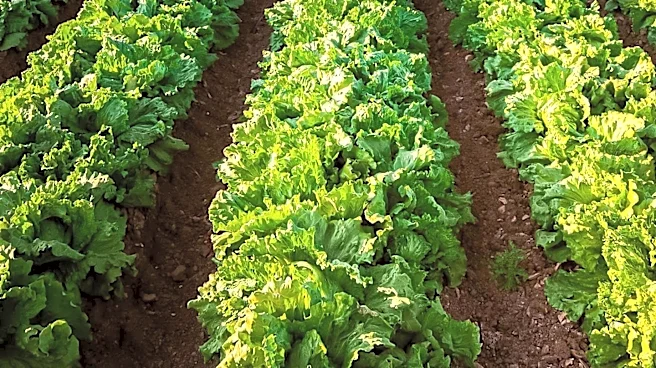
Animal-free agriculture, also known as veganic farming, is gaining traction as a sustainable practice that aims to reduce food waste, enhance production efficiency, and bolster climate resilience. This approach specifically avoids the use of animal products
and by-products, focusing instead on plant-based methods. Proponents of veganic farming advocate for a substantial decrease in meat and dairy consumption, citing its potential to mitigate biodiversity loss and improve animal welfare. The movement aligns with increasing awareness regarding the ethical implications of traditional animal agriculture, which is frequently criticized for causing significant animal suffering and contributing to environmental degradation. Experts, such as Dr. Paul Behrens of Oxford University, highlight how a shift towards veganism could address various climate and ecological issues, while also influencing behavior and policy. The scientific community increasingly warns about the vulnerability of current food systems to climate change, with predictions of more frequent harvest failures. For instance, a major corn harvest collapse, once expected every one to two decades, could occur every three years at 1.5°C of global heating and every other year at 2°C. The UK has already experienced three of its five worst cereal harvests in the past decade, underscoring the urgency of adopting more resilient agricultural practices.
Why It's Important?
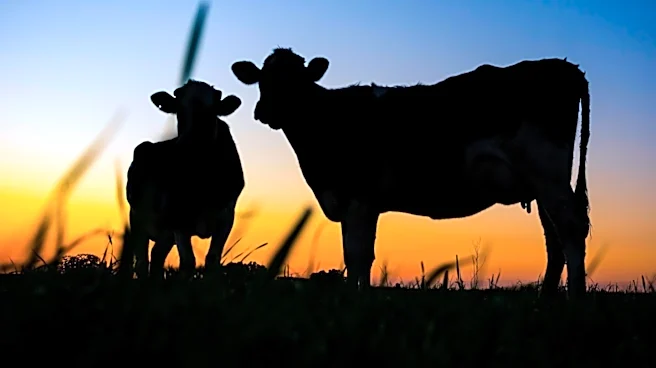
The widespread adoption of veganic farming and a reduction in meat and dairy consumption holds significant implications for U.S. industries, public policy, and environmental sustainability. Environmentally, a global shift towards plant-based diets is considered vital for combating the worst effects of the climate crisis, as animal agriculture is a major contributor to greenhouse gas emissions, particularly methane. A worldwide reduction in meat consumption could lead to a direct and powerful decrease in global temperatures, estimated at 0.4-0.6°C. Economically, transitioning to plant-based agriculture could free up vast amounts of land currently used for animal farming, making it available for other uses or for feeding more people per hectare. This could reduce reliance on food imports and potentially lower healthcare costs, as plant-based diets are often associated with better health outcomes. Socially, the movement addresses growing concerns about animal welfare, offering a more compassionate approach to food production. The current system of animal agriculture is often criticized for the suffering it inflicts on animals, from repeated pregnancies and separation of calves in the dairy industry to the conditions in factory farms. A shift to veganic farming could alleviate these ethical concerns and promote a more humane food system.
What's Next?
The growing momentum behind veganic farming and plant-based diets suggests several potential next steps. Public awareness campaigns, like the petition for a UK-wide public briefing on the climate and nature crisis, are likely to continue, aiming to educate consumers and policymakers about the benefits of dietary changes. This could lead to increased demand for plant-based products and further innovation in the vegan food industry. Policy discussions may emerge regarding incentives for farmers to transition to veganic methods, as well as regulations aimed at reducing the environmental impact of traditional animal agriculture. Research into climate-resilient crops and sustainable farming techniques will also likely intensify. Furthermore, as the economic and environmental pressures of climate change become more pronounced, there could be a greater push for governmental and international bodies to endorse and support plant-based food systems as a key strategy for food security and climate mitigation. The ongoing debate about the ethical treatment of animals in agriculture will also continue to shape public opinion and potentially influence legislative actions.
Beyond the Headlines
Beyond the immediate environmental and ethical considerations, the shift towards veganic farming and reduced meat consumption could trigger deeper societal and cultural transformations. It challenges long-held dietary traditions and cultural norms surrounding meat consumption, potentially leading to a re-evaluation of our relationship with food and the natural world. The movement also highlights the interconnectedness of various global crises, demonstrating how dietary choices can impact climate change, biodiversity loss, public health, and social justice. Ethically, it prompts a re-examination of human responsibility towards animals and the environment, fostering a more compassionate and sustainable worldview. Legally, it could lead to new regulations concerning animal welfare, land use, and agricultural subsidies. Culturally, the increasing availability and acceptance of plant-based alternatives could normalize veganism, making it a more mainstream and accessible lifestyle choice. This evolution could also foster greater food sovereignty and resilience within communities, as local and regional food systems become more diversified and less reliant on industrial animal agriculture.