

What's Happening?
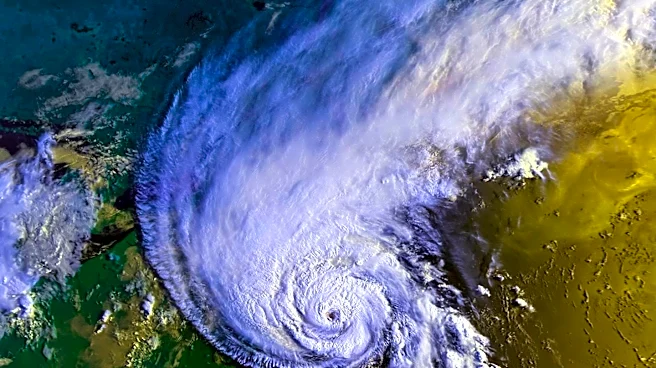
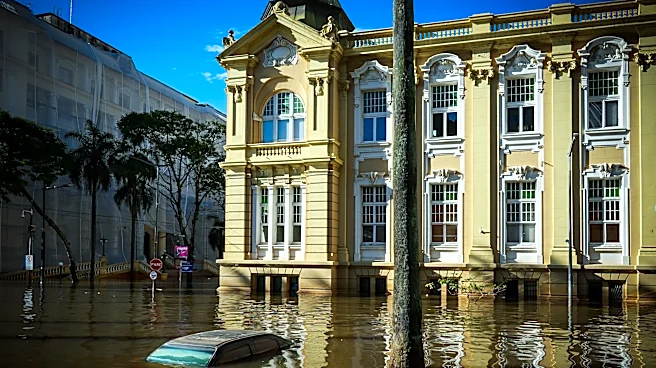
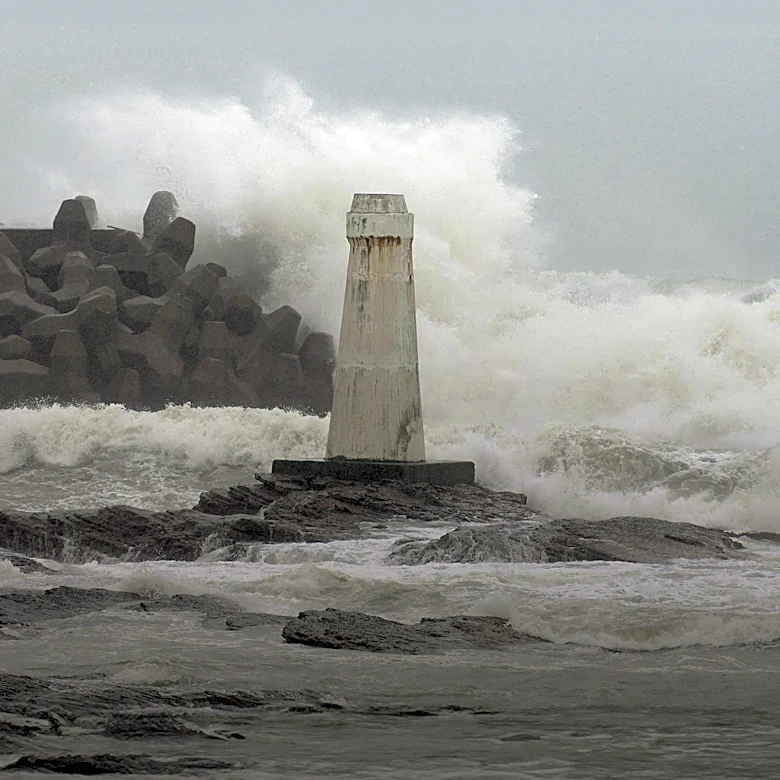
Day two of the Web Summit in Lisbon, Portugal, has been canceled due to the severe weather conditions brought by Storm Charles. The decision was made following formal advice from the Portuguese government, which cited risks including tidal flooding, significant
disruption to public transport, and the potential impact of high winds on outdoor structures. Organizers of the Web Summit, an event that attracts approximately 70,000 attendees including tech leaders, politicians, media executives, and sports stars, confirmed the cancellation after discussions with the Portuguese Government, the National Emergency and Civil Protection Authority (ANEPC), and the Public Security Police (PSP). Prime Minister of Portugal Luís Montenegro had recommended the suspension of events due to the expected impact of two storms, Bruna and Charles. In response to the storm, schools and shops in Lisbon have been closed, local transport and non-essential public services are shutting down, and some flights have been delayed or canceled. Authorities have also closed tunnels, parks, and some bridges, limited speed on major bridges, and advised against motorbike travel. While the Metro and Fertagus are maintaining services, Carris bus operations may be adjusted.
Why It's Important?
The cancellation of a major international event like the Web Summit, even for a single day, highlights the significant economic and logistical impact of severe weather. For attendees, including numerous U.S. tech leaders and businesses, it means lost networking opportunities, disrupted schedules, and potential financial losses from travel and accommodation. The event serves as a crucial platform for technological innovation and business development, and its interruption can delay potential deals and collaborations. Furthermore, the broader shutdown of public services, schools, and businesses in Lisbon underscores the vulnerability of urban infrastructure to extreme weather events. This situation also serves as a reminder for event organizers globally to have robust contingency plans for unforeseen circumstances, particularly as climate patterns become more unpredictable. The disruption affects not only the immediate participants but also the local economy that benefits from such large-scale conferences.
What's Next?
Web Summit organizers are working closely with Portuguese authorities and emergency services to monitor the weather conditions. They anticipate resuming the event on Thursday, November 12th, for day three, as Storm Charles is expected to pass. The scheduled lineup for Thursday includes SAG AFTRA boss Duncan Crabtree-Ireland, who is slated to speak in a session titled 'Hollywood's Identity Crisis.' Attendees and speakers have been notified of the day two cancellation, and further updates regarding the event's continuation will likely be communicated as weather conditions evolve. The Portuguese government and local authorities will continue to assess the safety of public infrastructure and services, determining when normal operations can fully resume across Lisbon. The focus will be on ensuring public safety and minimizing further disruption as the storm subsides.
Beyond the Headlines
This incident underscores the increasing challenges faced by large-scale international events due to climate-related weather phenomena. While the immediate cause is a storm, the broader context of more frequent and intense weather events due to climate change suggests that event planners and host cities may need to integrate more comprehensive climate resilience strategies into their operational frameworks. The decision to cancel, made in conjunction with government authorities, also highlights the critical role of public safety in event management, often overriding economic considerations. This could lead to a re-evaluation of event insurance policies, venue selection criteria, and emergency communication protocols for future global gatherings. The disruption also subtly impacts the perception of host cities, emphasizing the need for robust infrastructure and effective disaster response mechanisms to maintain their appeal for international conferences.