




What's Happening?
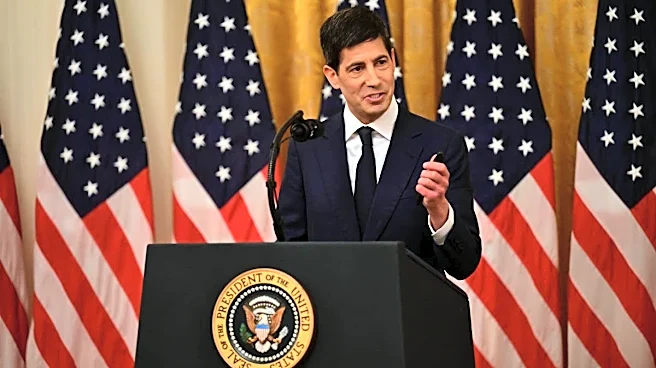
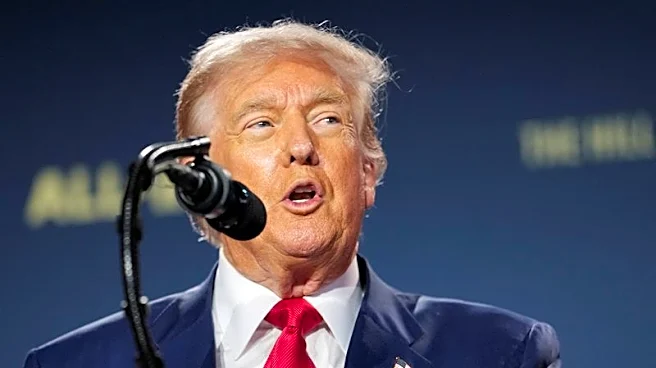
President Donald Trump has expressed opposition to the idea of Iran transferring its highly enriched uranium to Russia or China as part of a potential peace deal to end the ongoing conflict with the United States. During a Cabinet meeting at the White
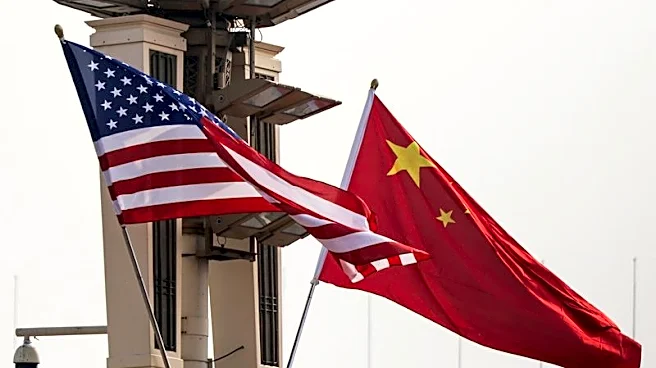
House, Trump stated he would not be comfortable with such an arrangement. The Kremlin, which holds the largest stockpile of nuclear weapons globally, had previously indicated a willingness to accept Iran's enriched uranium to facilitate a peace agreement. Similarly, China has been speculated to be open to receiving the material. Trump emphasized in a Truth Social post that Iran's enriched uranium would be destroyed either in the U.S., within Iran, or at another acceptable location. The comments come as the U.S. and Iran are reportedly working towards a short-term agreement to conclude the three-month-old war in the Middle East. The conflict has significantly impacted global energy supplies, causing oil prices to rise. However, Secretary of State Marco Rubio mentioned that the U.S. is committed to giving diplomacy every chance to succeed.
Why It's Important?
The opposition from President Trump to the transfer of Iran's enriched uranium to Russia or China underscores the complexities of international nuclear diplomacy and the geopolitical tensions surrounding nuclear proliferation. The decision has significant implications for global security, particularly in the context of U.S.-Iran relations and the broader Middle East conflict. The potential involvement of Russia and China in handling Iran's nuclear material could shift power dynamics and influence the outcome of peace negotiations. Additionally, the situation affects global energy markets, as the ongoing conflict has already led to increased oil prices. The U.S.'s diplomatic approach and its emphasis on destroying Iran's uranium at an acceptable location reflect its strategic priorities in maintaining regional stability and preventing nuclear escalation.
What's Next?
As the U.S. and Iran continue to work towards a peace agreement, the focus will likely remain on diplomatic efforts to resolve the conflict. The U.S. may engage in further negotiations with Iran to ensure that any deal includes provisions for the safe handling and destruction of Iran's enriched uranium. The international community, including Russia and China, may also play a role in facilitating or influencing the outcome of these negotiations. The potential for a short-term agreement could lead to a de-escalation of tensions in the Middle East, impacting global energy markets and regional security dynamics. Stakeholders will be closely monitoring the situation to assess the implications for international relations and nuclear non-proliferation efforts.