


What's Happening?
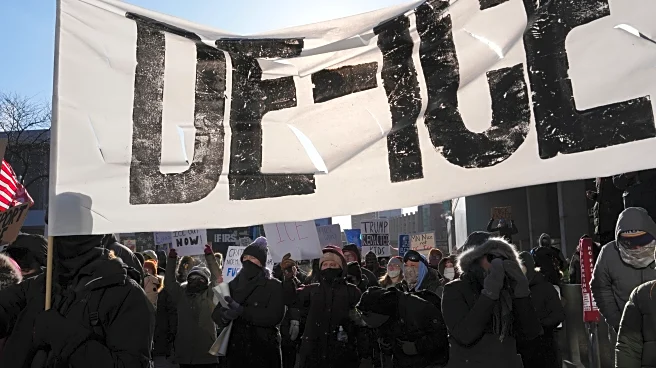
Independent journalist and former CNN anchor Don Lemon defended his coverage of an anti-ICE protest at a church in St. Paul, Minnesota, which led to his arrest. During an interview with Jimmy Kimmel, Lemon emphasized his role as a journalist, stating
he was there to document the event, not to protest. The protest, which involved demonstrators interrupting a church service, was aimed at a pastor who is also a top ICE official. Federal prosecutors charged Lemon and another journalist, Georgia Fort, with conspiring to violate constitutional rights and violating the FACE Act. Lemon was arrested by federal agents in Los Angeles while covering the Grammys. He was released without bail, and his case has drawn criticism from First Amendment advocates who argue the charges threaten press freedom.
Why It's Important?
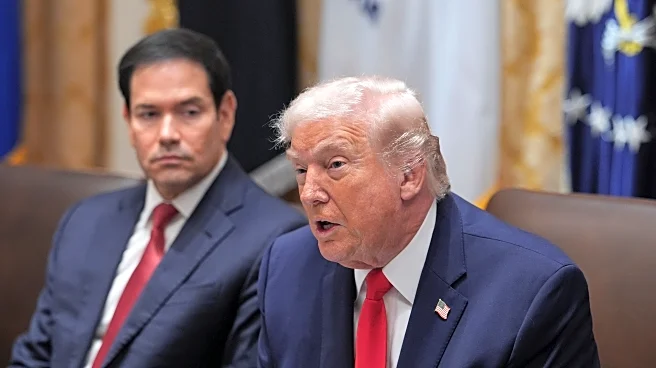
The arrest of Don Lemon highlights significant concerns regarding press freedom and the rights of journalists to cover protests without facing legal repercussions. The charges against Lemon and Fort have been criticized by civil rights organizations as an attempt to intimidate journalists and suppress media coverage of controversial events. This case underscores the ongoing tension between the Trump administration and the media, particularly in how protests and dissent are reported. The outcome of this case could set a precedent for how journalists are treated in similar situations, potentially impacting the media's ability to report on government actions and public demonstrations.
What's Next?
Don Lemon is expected to be arraigned in Los Angeles, where the legal proceedings will continue. The case will likely attract significant media attention and could prompt further debate about the balance between national security, law enforcement, and press freedom. Legal experts suggest that the charges may be difficult to prove, which could influence the government's approach to similar cases in the future. The support Lemon has received from the entertainment industry and First Amendment advocates may also play a role in shaping public opinion and the legal discourse surrounding this case.