





What's Happening?
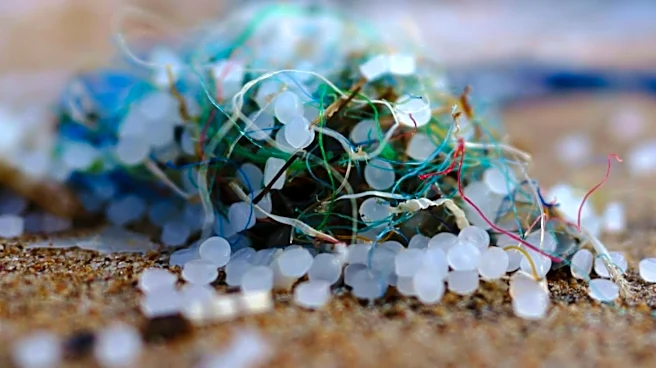
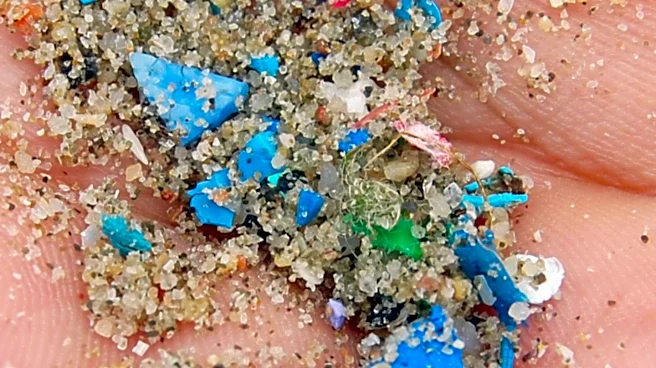
New research is investigating how micro- and nano-plastics (MNPs) act as 'Trojan horses' by forming bio-coronas that can carry endocrine-disrupting chemicals (EDCs) and potentially interfere with human hormonal systems. When MNPs enter biological systems,
they quickly become coated with proteins, lipids, and other biomolecules, forming a 'bio-corona.' This bio-corona can then interact with the body's natural processes, potentially altering the distribution, clearance, and biological action of hormones. The study highlights that EDCs, often found in plastics, can become embedded within or associated with these bio-coronas. This combination could lead to increased toxicity by interfering with hormonal signaling, potentially affecting the immune system, metabolism, reproduction, and development. The concern is particularly high for fetal development, where exposure to MNPs during pregnancy could have lifelong consequences, as even low doses of EDCs can exacerbate toxicity. The research emphasizes that MNPs are seldom found in isolation but are typically complexed with other substances, making their biological impact multifaceted.
Why It's Important?
This research is crucial for understanding the pervasive and potentially insidious health impacts of plastic pollution in the U.S. and globally. The 'Trojan horse' mechanism suggests that MNPs are not just inert particles but active carriers that can deliver harmful chemicals directly into biological systems, bypassing normal regulatory mechanisms. This could lead to chronic health issues, including disruptions to the endocrine system, which regulates vital bodily functions such as growth, metabolism, and reproduction. The potential for MNPs to affect fetal development raises significant public health concerns, as early-life exposures can have long-lasting effects on health and disease susceptibility. The study also points to the possibility of MNPs altering the circadian rhythm of hormones, which could have wide-ranging implications for health, including increased insulin resistance. Understanding these mechanisms is vital for developing effective strategies to mitigate the health risks associated with plastic exposure and for informing regulatory policies on plastic production and waste management.
What's Next?
The researchers propose several next steps to deepen the understanding of MNP bio-coronas and their health impacts. These include investigating the impact of MNPs as emerging contaminants on the environment and biological systems, with a focus on including MNPs with bio-coronas in research. There is a call for improved methods for exposure assessment, characterization, and validation of MNPs, as well as the identification of unknown signals in biofluids and tissues. The potential of in silico and AI modeling techniques is highlighted to help prioritize experiments and understand how different bio-corona compositions function. Additionally, new approach methodologies (NAMs) are suggested for testing MNP bio-coronas in cell-based, binding protein, or receptor assays. The research also emphasizes the need to study MNPs in physiologically and metabolically relevant tissues like the intestine, liver, brain, and placenta, given the potential for adverse birth outcomes and developmental programming of diseases later in life. Support from funding providers and politicians is deemed essential for this multidisciplinary research.
Beyond the Headlines
Beyond the immediate health implications, this research highlights a profound environmental and societal challenge. The continuous exposure of humans to MNPs and EDCs, exacerbated by the bio-corona phenomenon, underscores the urgent need for a global shift in plastic production and consumption. The study implicitly calls for a re-evaluation of how plastics are integrated into daily life, particularly in food packaging, hospitals, and clothing. The ethical dimension of this issue lies in the long-term consequences for human health, especially for vulnerable populations like developing fetuses, and the potential for irreversible changes to organ development and neuroendocrine regulation. This necessitates a combined effort from environmental researchers, social workers, and government officials to prioritize environmental cleanup and significantly reduce the 'plastic footprint' to safeguard future generations.