







What's Happening?
The Air Force Capability Coalition has identified the development of Ukraine's helicopter capabilities as a top priority for future assistance. This decision was made during a meeting of the Secretariat and working groups in Kyiv, attended by representatives
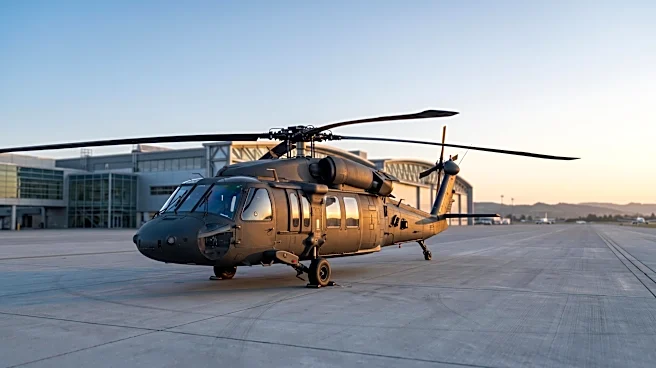
from Ukraine, the Netherlands, Denmark, the United States, the United Kingdom, and Canada. The coalition aims to transform Ukraine's Air Force to align with Western standards, encompassing combat aviation, reconnaissance, personnel training, weapons, and aviation infrastructure. Ukraine's Ground Forces' Army Aviation has previously expressed intentions to acquire U.S.-made UH-60 Black Hawk helicopters to replace its aging Soviet-era fleet. Discussions also included the establishment of an Air Force Capability Coalition Fund to enhance coordination and attract funding among participating nations. The coalition, formed in 2023 as part of the Ukraine Defense Contact Group, currently comprises 14 countries and focuses on various aspects of air force development, including pilot training, aircraft maintenance, and infrastructure.
Why It's Important?
This prioritization of helicopter capabilities is crucial for Ukraine's defense efforts, as helicopters provide essential support for troop transport, close air support, medical evacuation, and reconnaissance. Modernizing Ukraine's helicopter fleet with Western models like the UH-60 Black Hawk would significantly enhance its operational effectiveness, interoperability with NATO forces, and overall air superiority. For the United States, this initiative aligns with its broader strategy of strengthening allies and partners by providing advanced military equipment and training, thereby promoting regional stability and deterring aggression. The move also signifies a long-term commitment to integrating Ukraine into Western defense frameworks, which could have lasting implications for European security architecture. The establishment of a dedicated fund underscores the collaborative effort and financial commitment required from coalition members to achieve these goals.
What's Next?
The next steps will involve detailed planning and implementation of programs to develop Ukraine's helicopter capabilities. This will likely include identifying specific helicopter platforms, procurement processes, and comprehensive training programs for pilots and maintenance personnel. The Air Force Capability Coalition Fund will need to be operationalized to facilitate coordinated financial contributions from member states. Further meetings and consultations among coalition members will be necessary to finalize the roadmap for this initiative. Additionally, there will be ongoing efforts to develop aviation infrastructure, expand defense-industrial cooperation, and maintain existing aviation capabilities. The success of this program could pave the way for similar initiatives in other areas of Ukraine's military modernization.
Beyond the Headlines
The focus on helicopter capabilities reflects a strategic shift towards a more versatile and integrated air force, moving beyond just fighter jets. This holistic approach to air power development emphasizes the importance of all aerial assets in modern warfare. The transition from Soviet-era equipment to Western standards is not merely about hardware replacement but also involves fundamental changes in doctrine, logistics, and training methodologies, fostering deeper integration with NATO operational procedures. This long-term transformation could position Ukraine as a more robust security partner in Eastern Europe, influencing regional power dynamics. Furthermore, the coalition's efforts highlight the growing trend of multinational cooperation in defense, where shared resources and expertise are leveraged to build stronger collective security frameworks.