







What's Happening?
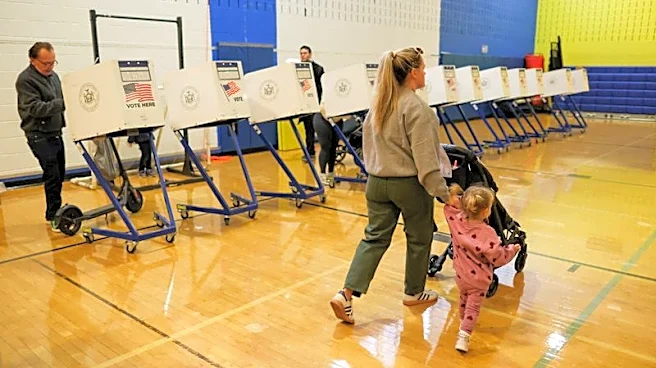
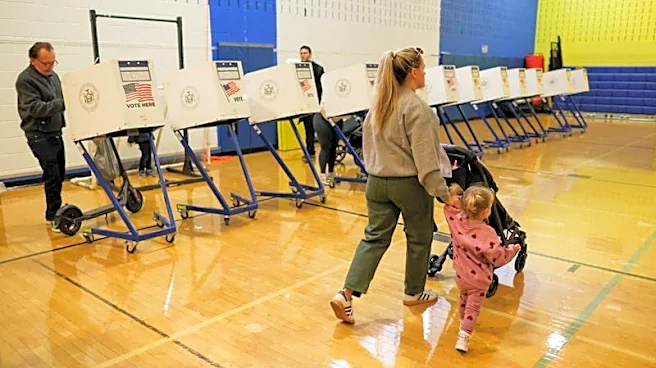
Louisiana is preparing for its 2026 midterm elections, which will see voters elect a new U.S. senator and two new members of the U.S. House. A significant development is the new congressional map, which eliminated a majority-Black district, potentially
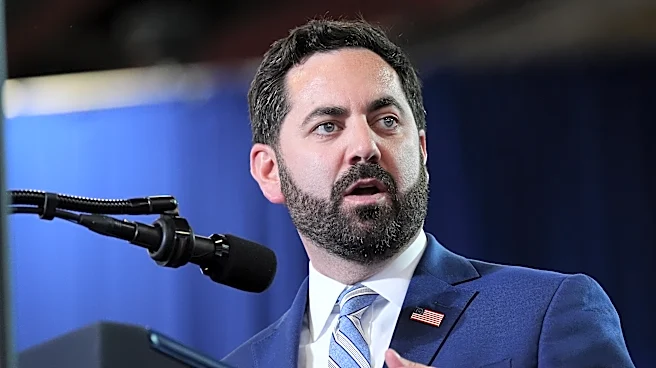
giving Republicans an additional seat in the House. In the U.S. Senate race, Republican Congresswoman Julia Letlow is favored to win after defeating incumbent Bill Cassidy in the primary, largely due to President Trump's endorsement. Letlow faces Democrat Jamie Davis, a Black farmer running his first statewide political campaign. Davis, despite being an underdog in a reliably red state, expresses confidence in his ability to win by campaigning on policies aimed at improving affordability, which he believes resonates across party lines. Louisiana's political landscape is further shaped by the prominent roles of House Speaker Mike Johnson and Majority Leader Steve Scalise, both from Louisiana, who are working to maintain the GOP's slim majority in the House.
Why It's Important?
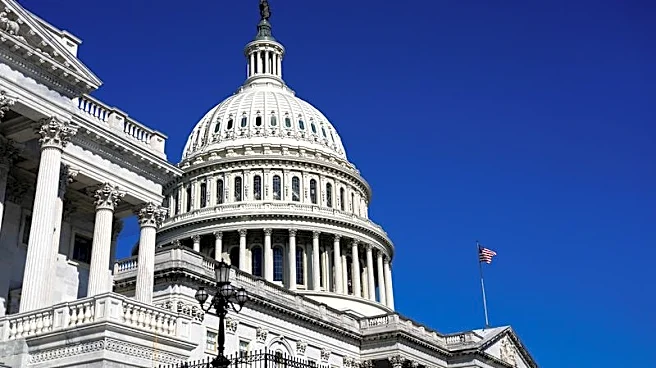
The Louisiana midterm elections hold significant national implications, particularly for the balance of power in the U.S. Congress. The redrawing of congressional districts, which eliminated a majority-Black district, could shift a House seat to the Republican column, directly impacting the tightly contested battle for control of the House. The Senate race is also critical, with President Trump's endorsement playing a decisive role in the Republican primary, showcasing his continued influence within the party. If Julia Letlow wins, it would further solidify Louisiana's status as a reliably red state and potentially strengthen the conservative bloc in the Senate. Jamie Davis's campaign, focusing on affordability, represents an attempt to bridge partisan divides and appeal to a broader electorate, highlighting economic concerns that are prevalent nationwide. The efforts of Speaker Johnson and Majority Leader Scalise to retain the GOP majority underscore the high stakes of these elections for national political leadership.
What's Next?
As the midterm elections approach, the campaigns of Julia Letlow and Jamie Davis will intensify, with both candidates working to mobilize their respective bases and persuade undecided voters. Davis will continue to emphasize policies on affordability, hoping to resonate with voters across party lines, while Letlow will likely leverage her alignment with President Trump and the Republican platform. The impact of the new congressional map will be closely watched, as it is expected to favor Republican candidates in the House races. Additionally, voters will decide on 10 proposed amendments to the Louisiana Constitution, including one that would limit governors to two lifetime terms, which could have long-term implications for state leadership. The outcomes of these elections will not only determine Louisiana's representation in Washington but also contribute to the national political landscape and the balance of power in Congress.
Beyond the Headlines
The Louisiana elections reveal deeper currents within American politics, including the ongoing influence of presidential endorsements, the strategic use of redistricting to shape electoral outcomes, and the persistent challenge of engaging voters on economic issues. The elimination of a majority-Black district raises questions about voting rights and representation, particularly in the context of a Supreme Court ruling that dismantled parts of the Voting Rights Act. Jamie Davis's campaign as a Black farmer in a predominantly red state highlights the evolving demographics and political aspirations within the South. Furthermore, the presence of two top House leaders from Louisiana underscores the state's disproportionate influence in national politics, making these midterm elections a critical barometer for the broader political climate and the future direction of the country.