
What's Happening?
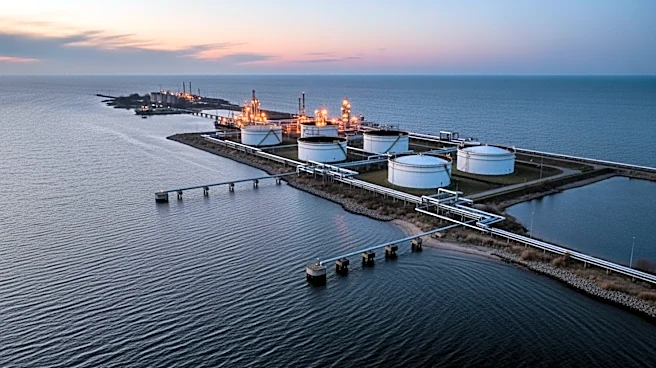
Ukrainian forces have intensified their attacks on Russian oil infrastructure, focusing on critical facilities in the Leningrad oblast and the Black Sea port of Novorossiysk. Over the past two weeks, multiple
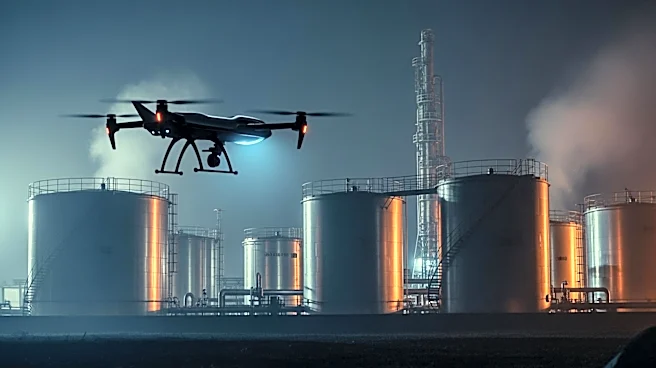
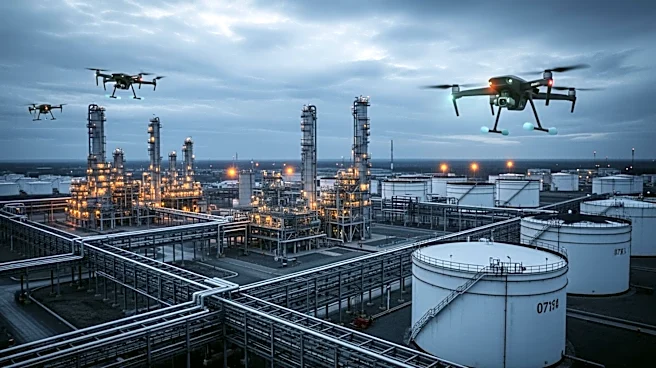
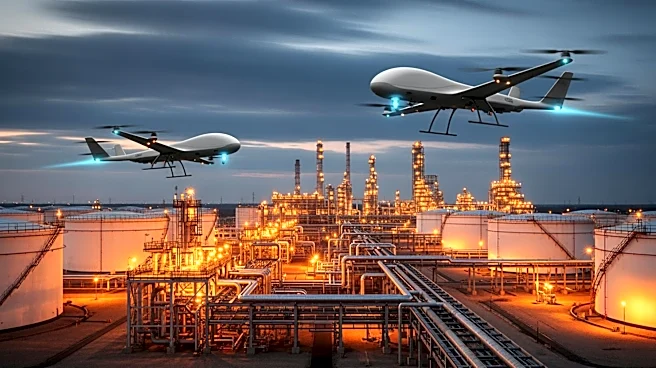
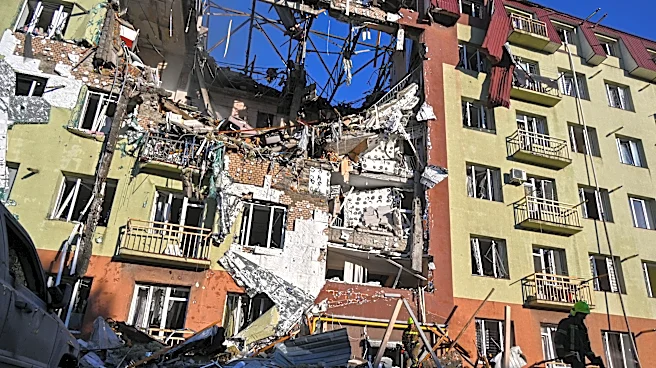
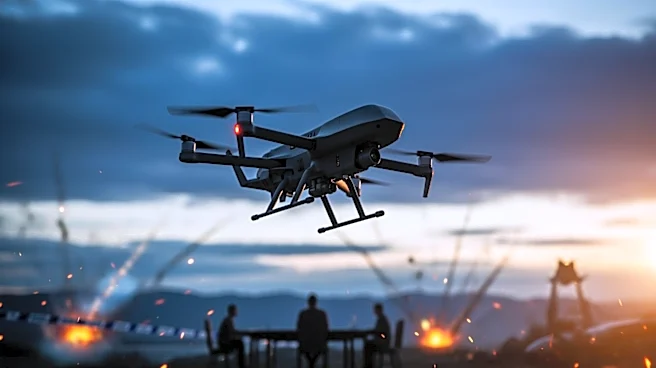
strikes have been reported, including a significant attack on the Sheskharis oil terminal. The Institute for the Study of War noted that these attacks are part of a broader strategy to disrupt Russian oil exports. The Ukrainian general staff confirmed a strike on the Lukoil-Nizhegorodnefteorgsintez refinery in Kstovo, which resulted in a fire. Russian air defenses reportedly downed 148 Ukrainian drones, but the attacks have caused substantial damage, leading to power outages affecting nearly half a million households. Russian military bloggers have expressed concerns over the costly and time-consuming repairs needed for the damaged facilities.
Why It's Important?
The escalation of Ukrainian attacks on Russian oil infrastructure has significant implications for the global energy market. By targeting key export facilities, Ukraine aims to weaken Russia's economic stability, which heavily relies on oil exports. The damage to these facilities could lead to disruptions in oil supply, potentially affecting global oil prices. Additionally, the attacks highlight the ongoing strategic military engagements between Ukraine and Russia, with Ukraine leveraging its capabilities to impact Russia's economic resources. The situation underscores the broader geopolitical tensions and the potential for further economic sanctions or diplomatic actions from international stakeholders.
What's Next?
The continued targeting of Russian oil infrastructure by Ukrainian forces suggests a prolonged strategy to undermine Russia's economic capabilities. In response, Russia may increase its military defenses around critical infrastructure and seek alternative routes or methods to maintain its oil exports. The international community, particularly countries dependent on Russian oil, may need to explore alternative energy sources or increase diplomatic efforts to mediate the conflict. The situation could also lead to further sanctions against Russia, impacting its economy and international relations.
Beyond the Headlines
The attacks on Russian oil facilities also raise questions about the resilience of global energy infrastructure in conflict zones. The reliance on oil exports as a strategic economic tool highlights the vulnerabilities in energy supply chains. Additionally, the use of drones in these attacks reflects the evolving nature of warfare, where technology plays a crucial role in military strategies. This development may prompt other nations to reassess their defense capabilities and invest in advanced technologies to protect critical infrastructure.