








What's Happening?
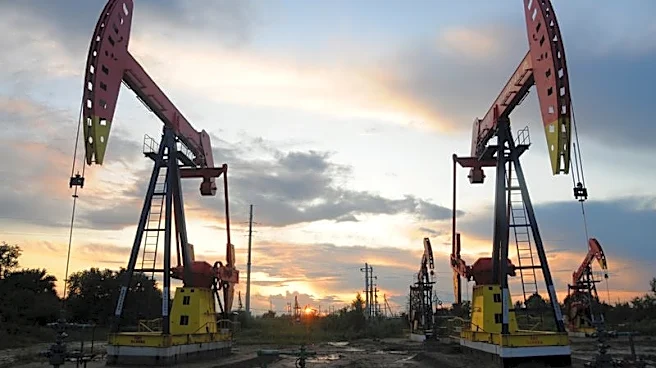
Oil prices have experienced fluctuations as investors assess the ongoing conflict between the U.S. and Iran and its impact on the Strait of Hormuz. Brent crude and West Texas Intermediate (WTI) futures saw slight declines after reaching their highest
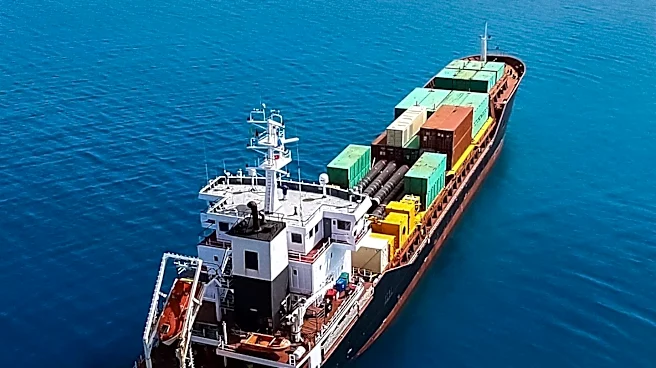
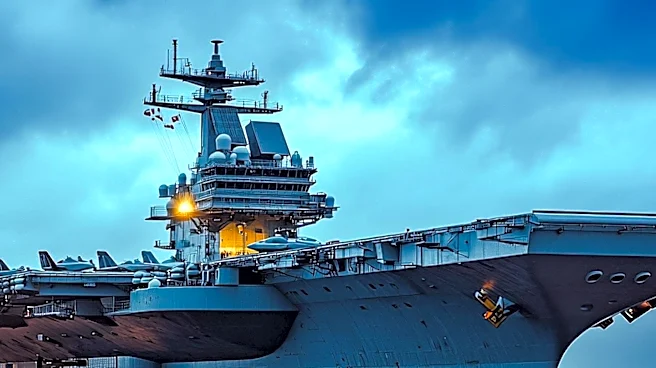
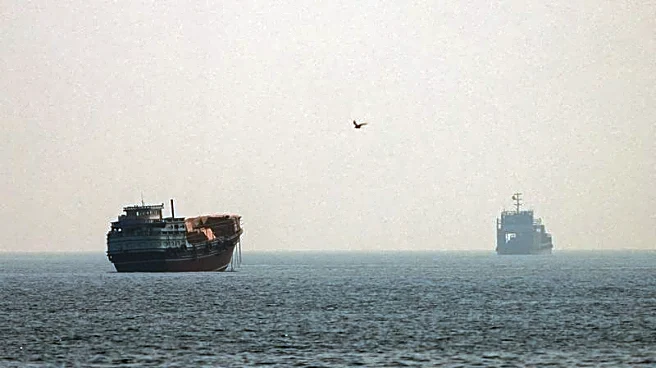
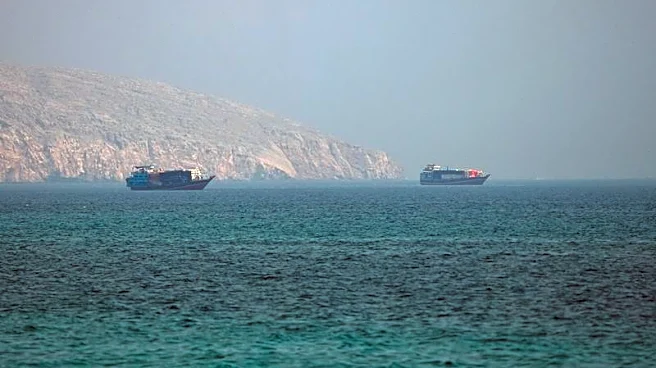
levels since late June. The market remains nervous due to renewed hostilities, including Iranian missile attacks on U.S. military infrastructure in the Gulf region. The conflict has led to disruptions in oil shipments through the Strait, a vital passage for global oil and liquefied natural gas supplies. Insurance companies are advising shipping firms to reconsider voyages through the area due to the increased risk of attacks.
Why It's Important?
The Strait of Hormuz is a critical chokepoint for global energy supplies, with a significant portion of the world's oil passing through it. Any disruption in this region can have far-reaching effects on global oil prices and supply chains. The current tensions between the U.S. and Iran add to the uncertainty in energy markets, potentially leading to price volatility and supply shortages. This situation underscores the geopolitical risks associated with energy transportation routes and the need for alternative pathways and energy sources to mitigate such risks.
What's Next?
The resolution of the U.S.-Iran conflict is crucial for stabilizing oil markets. Diplomatic efforts to reach a peace agreement and reopen the Strait of Hormuz are ongoing, but the outcome remains uncertain. Investors and stakeholders will be closely watching developments, as any escalation could further disrupt oil flows and impact global energy security. In the meantime, countries and companies may seek to diversify their energy sources and enhance strategic reserves to cushion against potential supply shocks.