
What's Happening?
The International Atomic Energy Agency (IAEA) has initiated the Global Network of Isotopes in Lakes (GNIL), a new program designed to establish an international database for stable isotopes, water chemistry
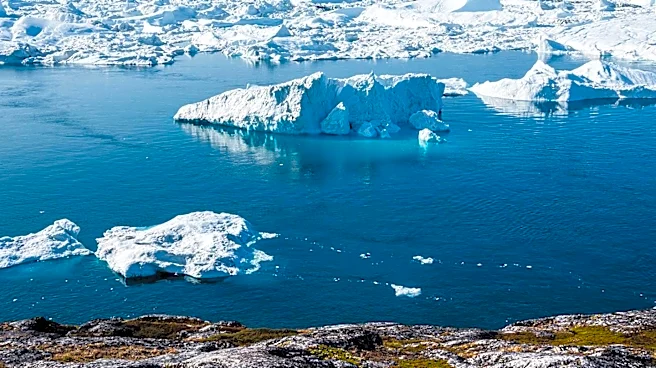
measurements, and environmental observations in lakes. This initiative aims to provide countries with scientific data to inform conservation and restoration efforts for freshwater ecosystems. According to Najat Mokhtar, IAEA deputy director general and head of the Department of Nuclear Sciences and Applications, freshwater ecosystems are among the most threatened globally due to degradation, unsustainable water use, and changing environmental conditions. The GNIL will utilize stable hydrogen and oxygen isotopes as natural fingerprints in water to trace its origins, age, and movement. By measuring the balance between heavy and light isotopes, scientists can determine precipitation patterns and water sources for lakes and rivers. Initially, GNIL will focus on establishing common protocols, governance, and coordinated sampling campaigns to build a foundation for a long-term global monitoring system. Twenty-two countries have already expressed interest in joining the network, which complements existing IAEA isotope monitoring networks like the Global Network of Isotopes in Precipitation and Rivers.
Why It's Important?
The establishment of the GNIL is crucial for global environmental monitoring and conservation, particularly for nations reliant on lake ecosystems for drinking water, food, and livelihoods. By providing standardized, comparable data across regions and over time, the network will enable more effective management of freshwater resources. The scientific evidence gathered through isotope analysis will guide actions to protect fisheries, biodiversity, and overall lake health, which are vital for ecological balance and human well-being. The initiative addresses the pressing issue of freshwater ecosystem degradation, offering a data-driven approach to mitigate the impacts of environmental changes. For the U.S., participation in such a global network could enhance its own freshwater management strategies, allowing for comparative analysis with international data and the adoption of best practices. It also underscores the importance of international collaboration in addressing shared environmental challenges, fostering a more unified approach to global water security and conservation.
What's Next?
In its initial phase, the GNIL will concentrate on developing common protocols, governance frameworks, and coordinating sampling campaigns among participating countries. This foundational work is essential for creating a robust and reliable long-term global lake monitoring system. National agencies, research institutions, laboratories, and partner organizations will be key participants, responsible for data collection and sharing. The data generated will illustrate how lakes respond to various environmental pressures, including changes in rainfall and evaporation. As the network expands, it is expected to provide increasingly comprehensive insights into the health and dynamics of lake ecosystems worldwide. Future steps will likely involve expanding membership beyond the initial 22 interested countries and integrating the collected data into broader environmental policy-making and conservation strategies at both national and international levels. The IAEA will continue to facilitate the exchange of knowledge and best practices among member states to ensure the network's effectiveness and long-term sustainability.
Beyond the Headlines
The IAEA's launch of the GNIL signifies a deeper commitment to leveraging advanced nuclear science for environmental protection, moving beyond its traditional focus on nuclear energy and safety. This initiative highlights the versatility of isotope hydrology as a powerful tool for understanding complex environmental processes, offering a unique 'fingerprinting' method for water sources that traditional monitoring might miss. The ethical implication lies in the shared responsibility of nations to protect global commons, particularly vital freshwater resources, which are increasingly under stress from climate change and human activity. Legally, the establishment of common protocols and data sharing mechanisms could set precedents for international environmental data governance and cooperation. Culturally, it reinforces the idea that scientific collaboration transcends national borders, fostering a global community dedicated to ecological stewardship. This long-term shift could lead to more integrated global environmental monitoring systems, where data from various networks (precipitation, rivers, lakes) combine to form a holistic picture of the planet's water cycle and its vulnerabilities.