









What's Happening?
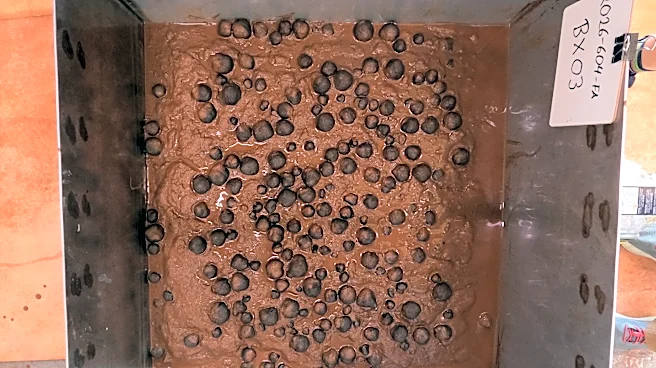
The U.S. Department of the Interior's Marine Minerals Administration (MMA) has proposed a seabed mining lease in American Samoa, marking a significant step in the U.S.'s strategy to develop its Exclusive Economic Zone (EEZ) as a strategic mineral reserve.
The lease covers over 31 million acres of Pacific Ocean floor and is set for auction on November 19, 2026. This initiative is part of a broader federal effort to reduce reliance on foreign-controlled mineral supply chains, particularly those dominated by China. The lease authorizes preliminary exploration, with commercial extraction contingent on an approved Mining Plan from the Bureau of Ocean Energy Management (BOEM).
Why It's Important?
This lease represents a pivotal moment in U.S. mineral policy, as it seeks to secure domestic sources of critical minerals essential for technology and defense. The move could significantly impact global mineral supply dynamics, reducing U.S. dependence on politically sensitive sources. However, it also raises environmental and cultural concerns, particularly regarding the impact on deep-sea ecosystems and the rights of Indigenous Pacific communities. The outcome of this initiative could influence future U.S. policies on resource extraction and environmental stewardship.
What's Next?
The auction is scheduled for November 2026, but the path to commercial mining is complex, involving multiple regulatory approvals and potential legal challenges. Environmental reviews and public opposition could delay or alter the project's trajectory. The U.S. government will need to balance mineral security with environmental and cultural responsibilities, setting a precedent for future seabed mining initiatives. The success or failure of this lease could shape U.S. and global policies on deep-sea mining for years to come.