

What's Happening?
A U.S. appeals court has permitted the Trump administration to pause the restoration of a National Park Service slavery exhibit in Philadelphia. This decision comes as the administration appeals a previous order to reinstall the exhibit, which was removed
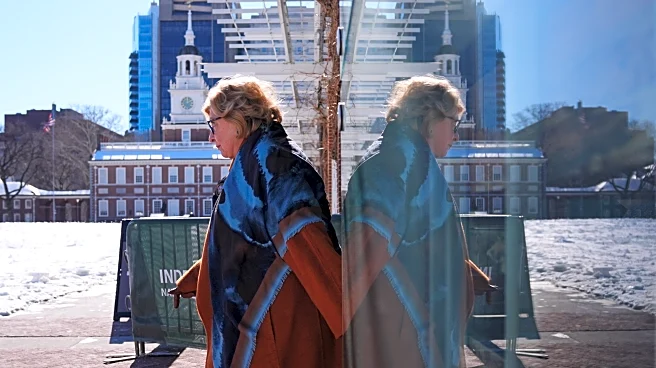
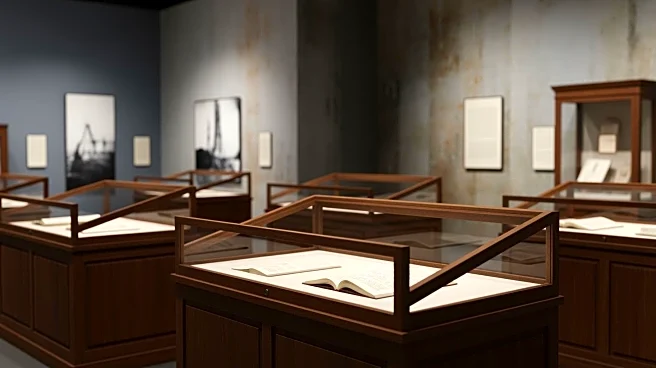
in January. The exhibit, located at the former President’s House on Independence Mall, highlights the lives of nine enslaved individuals during George Washington's presidency. The removal was part of an effort to eliminate content deemed 'disparaging' to Americans from federal properties. Senior U.S. District Judge Cynthia M. Rufe had mandated the exhibit's restoration by a set deadline, but this order is now on hold pending the appeal. The Interior Department plans to replace the exhibit with its own narrative, but must collaborate with the city under a cooperative agreement.
Why It's Important?
The decision to halt the exhibit's restoration has significant implications for historical representation and public trust. The exhibit, which has been on display since 2010, is a product of extensive research and collaboration. Its removal and the subsequent legal battle highlight tensions between federal authority and local historical integrity. The case underscores the broader debate over how history is presented in public spaces, particularly regarding sensitive topics like slavery. The outcome of this legal dispute could set a precedent for how historical narratives are managed on federal properties, affecting public perception and educational efforts.
What's Next?
The appeals court has expedited the case, but legal proceedings are expected to continue for at least another month. The city of Philadelphia, which is responsible for maintaining public trust in its historical narratives, is likely to continue advocating for the exhibit's restoration. As the nation approaches its 250th anniversary, the resolution of this case will be closely watched by historians, educators, and the public. The outcome could influence future decisions on historical exhibits and the balance of power between federal and local authorities in curating historical content.