






What's Happening?
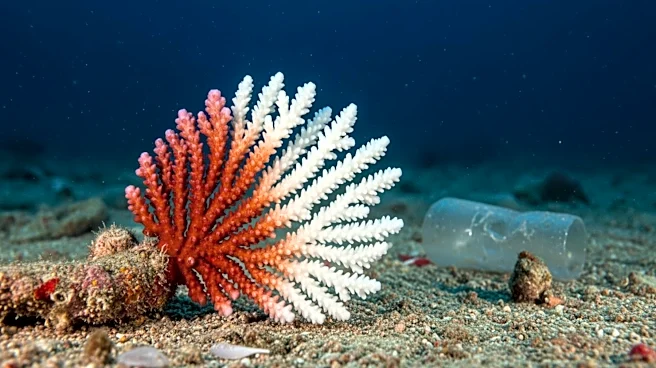
Coral reefs around the world are under severe threat due to a combination of global warming, pollution, and unsustainable development practices. Recent data indicates that the planet has experienced the most widespread coral bleaching event ever recorded,
lasting 33 months into 2025. Scientists warn that if global temperatures rise by 1.5 degrees Celsius, up to 90% of coral reefs could be lost. This situation is exacerbated by plastic pollution, coastal development, agricultural runoff, and overfishing, which further weaken these fragile ecosystems. The loss of coral reefs would not only impact marine biodiversity but also expose coastlines to increased storm damage and threaten the livelihoods and cultures of communities that depend on them.
Why It's Important?
The potential extinction of coral reefs poses significant risks to marine ecosystems and human societies. Coral reefs support a vast array of marine life and are crucial for the biodiversity of the oceans. They also provide natural protection for coastlines against storms and erosion, and their loss could lead to increased vulnerability for coastal communities. Economically, coral reefs contribute to tourism and fishing industries, which are vital sources of income for many regions. The cultural significance of reefs, particularly for island nations and coastal societies, underscores the need for urgent conservation efforts. The situation calls for global cooperation to reduce carbon emissions, manage pollution, and implement sustainable development practices.
What's Next?
The coming months are critical for the future of coral reefs. Global gatherings and scientific research are expected to bring attention to the plight of these ecosystems. It is essential for countries, communities, businesses, and individuals to take responsibility and act to support the survival of coral reefs. This includes reducing climate footprints, cutting plastic pollution, protecting critical species, and supporting reef-positive businesses. Investments in conservation and sustainable practices are necessary to ensure the long-term health of coral reefs and the communities that rely on them.
Beyond the Headlines
The decline of coral reefs highlights broader environmental and ethical issues. It underscores the interconnectedness of human activities and natural ecosystems, emphasizing the need for a holistic approach to environmental stewardship. The concept of 'kuleana,' or responsibility, as practiced in Hawaiian culture, serves as a reminder of the duty to protect and preserve natural resources for future generations. The situation also raises questions about environmental justice, as the impacts of reef loss disproportionately affect vulnerable communities that have contributed least to global warming.