





What's Happening?
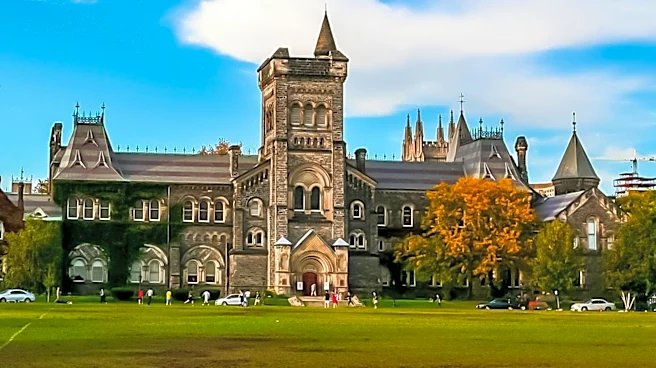
The University of Pittsburgh's Center for Latin American Studies (CLAS) is marking its 60th anniversary, reflecting on six decades of fostering understanding and engagement with Latin America and the Caribbean. Established in 1964, CLAS has developed
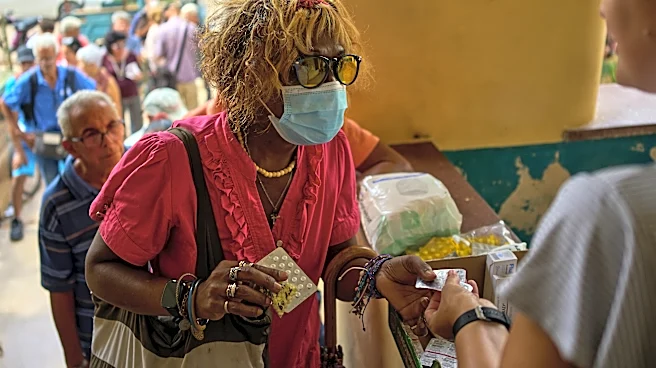
a model centered on interdisciplinary scholarship, language acquisition, research, and direct community involvement. This approach extends to diverse diasporic communities within the U.S. and abroad. A key initiative is the Undergraduate Seminar and Field Trip Program, which has sent over 600 students to 14 countries for fieldwork and direct engagement with local scholars and organizations. This year, students traveled to Costa Rica to research topics such as democratic effectiveness and healthcare access, with a future trip planned for Santarém, Brazil, to explore ties to the Amazon. CLAS boasts over 130 affiliated faculty across 25 departments and 11 professional schools, offering students pathways into the region through various academic fields. The center also houses the Eduardo Lozano Latin American Collection, a premier collection with over 416,000 titles.
Why It's Important?
CLAS's enduring commitment to interdisciplinary study and direct engagement with Latin America and the Caribbean holds significant importance for U.S. education and international relations. By integrating diverse fields such as humanities, social sciences, business, and law, CLAS prepares students with a comprehensive understanding of the region's complexities. This approach is crucial for developing future leaders and professionals who can navigate global challenges and opportunities. The center's focus on experiential learning, through programs like the Undergraduate Seminar and Field Trip, provides students with invaluable firsthand experience, enhancing their regional expertise and language proficiency. For Hispanic and Latino students, CLAS offers opportunities to explore their heritage and deepen connections to their cultural roots. Furthermore, CLAS's partnerships with community organizations and its public programming, including the annual Latin American & Caribbean Festival, contribute to cultural exchange and understanding within the Pittsburgh region, fostering a more informed and connected society.
What's Next?
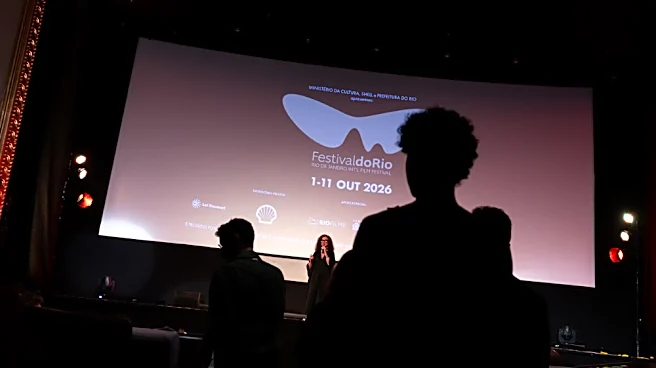
CLAS plans to continue expanding its interdisciplinary approach into new areas, such as the Amazonian Studies Program, which examines the Amazon beyond its ecological aspects to include migration, human rights, climate, and biodiversity. The center is also prioritizing Afro-Latin American and Afro-Latinx Studies through the University Consortium on Afro-Latin American Studies, a network dedicated to scholarship on race, memory, and inclusion across the Americas. In Brazil, CLAS is strengthening its partnership with the Quilombo of Bracuí in Rio de Janeiro, supporting research on slavery, memory, Black cultural heritage, land rights, and reparations. This collaboration, recognized with Pitt’s Partnership of Distinction Award, highlights the center's commitment to sustained reciprocity and community impact. Additionally, CLAS and the Ford Institute for Human Security are studying online violence against women in politics in Rio de Janeiro, involving Pitt graduate students in collaborative research with local institutions. These initiatives indicate a continued focus on expanding research, community engagement, and academic programming.
Beyond the Headlines
The longevity and evolving mission of CLAS underscore a deeper shift in how U.S. academic institutions approach global studies. Its emphasis on interdisciplinary collaboration, direct community engagement, and the integration of diverse perspectives—including those from Afro-Latin American and Indigenous communities—reflects a growing recognition of the interconnectedness of global issues. The center's work in areas like human rights, environmental policy, and economic development highlights the ethical and societal responsibilities of academic research. By fostering a nuanced understanding of Latin America and the Caribbean, CLAS contributes to challenging simplistic narratives and promoting a more equitable and informed global dialogue. The focus on experiential learning and community partnerships also demonstrates a commitment to practical application of knowledge, bridging the gap between academic theory and real-world impact, and preparing students for careers that demand both regional expertise and cultural sensitivity.