






What's Happening?
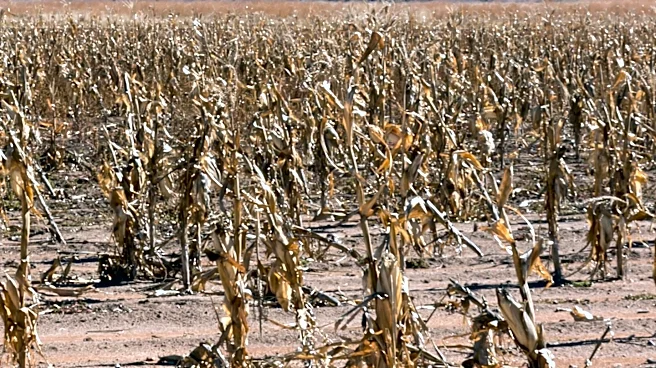
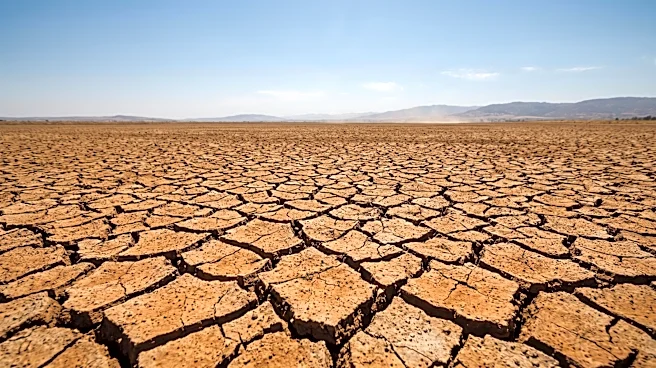
The Zimbabwean government has initiated comprehensive drought mitigation strategies in response to an anticipated severe El Niño event, which poses a significant threat to the nation's livestock and food security. As part of these efforts, 914 Ward Drought
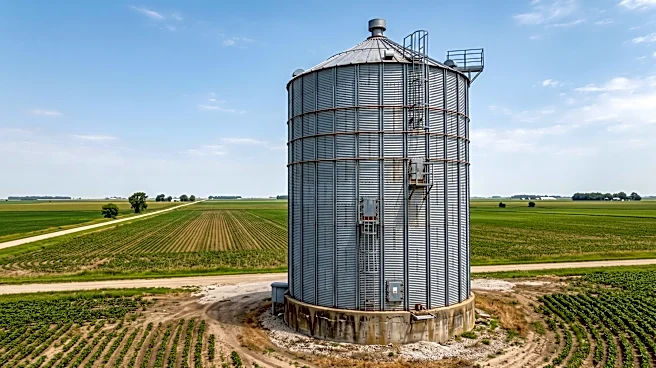
Mitigation Centres have been established across the country's rural wards, out of a target of 1,527. These centers are designed to manage localized relief efforts. The government has also expanded irrigation infrastructure, with 308,969 hectares now under irrigation, and 119,068 hectares specifically designated for maize production this summer. Furthermore, the Pfumvudza/Intwasa conservation agriculture plots have reached 14,971,621, achieving 93.3% of the national target. To bolster food reserves, the Grain Marketing Board held 365,688 metric tonnes of grain in the Strategic Grain Reserve as of November 9, 2026, with a goal to reach 600,000 metric tonnes by October 2027, utilizing new artificial intelligence-powered silos. The government estimates that 2,248,498 cattle, representing 38.9% of the national herd, are at risk due to water and pasture shortages.
Why It's Important?
These measures are crucial for Zimbabwe's food security and the livelihoods of its rural population, which heavily relies on agriculture and livestock. The potential loss of over 2.2 million cattle could devastate many farming communities, leading to economic hardship and increased poverty. The establishment of drought mitigation centers and the expansion of irrigation infrastructure are vital for protecting agricultural output and ensuring access to food, especially in vulnerable regions. The strategic grain reserve, supported by AI-powered silos, aims to create a buffer against future harvest shortfalls, providing stability in times of crisis. By focusing on climate-resilient seed varieties and improved soil health, the government is attempting to build long-term agricultural resilience, which is essential for a country frequently affected by climate shocks. The success of these initiatives will directly impact the nation's ability to feed its population and sustain its agricultural economy.
What's Next?
The Zimbabwean government plans to continue expanding the network of Ward Drought Mitigation Centres to reach the target of 1,527 rural wards. Efforts will also focus on increasing the Strategic Grain Reserve to 600,000 metric tonnes by October 2027, leveraging the new AI-powered storage silos. The implementation of the Presidential Poultry and Goat Schemes will proceed, aiming to diversify household income sources and mitigate livestock losses. The government will also work on formulating a national plan aligned with the Africa Seed and Biotechnology Programme (2026–2035) to enhance access to climate-resilient seed varieties. Continued monitoring of the El Niño event and its impact on agricultural conditions will be critical, with ongoing adjustments to mitigation strategies as needed. Communication and training for farmers will be strengthened to ensure effective adoption of conservation agriculture practices and other resilience measures.
Beyond the Headlines
The Zimbabwean government's proactive approach to drought mitigation highlights a broader global challenge of climate change adaptation, particularly in regions highly susceptible to extreme weather events. The integration of artificial intelligence in grain storage signifies a move towards modern technological solutions in agricultural management, potentially setting a precedent for other developing nations. The emphasis on community-level mitigation centers and presidential support programs underscores a strategy that combines top-down policy with grassroots engagement, aiming for comprehensive resilience. This situation also brings to light the ethical considerations of resource allocation and the protection of vulnerable populations in the face of environmental crises. The long-term success of these initiatives could serve as a model for sustainable agricultural development in a changing climate, emphasizing the importance of both technological innovation and community empowerment.