





What's Happening?
The DuPage County Health Department is actively promoting responsible antibiotic use as part of U.S. Antibiotic Awareness Week, which runs from November 18 to 24. The department, through its public information specialist Cailyn Eckelberry, highlights
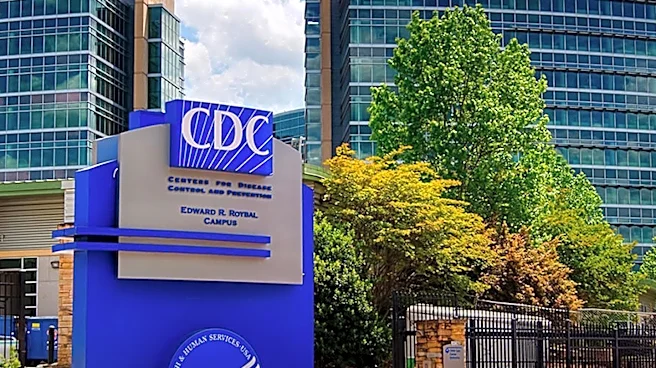
that while antibiotics are crucial for treating bacterial infections like strep throat and UTIs, their overuse or misuse leads to antibiotic resistance. This phenomenon renders drugs ineffective against 'super bugs,' making infections harder to treat. The Centers for Disease Control and Prevention (CDC) reports millions of drug-resistant infections annually in the United States. The DuPage County Health Department observes local trends mirroring national patterns of antibiotic overuse and increasing resistance. Their year-round efforts include educating healthcare providers and patients across various medical settings, with Antibiotic Awareness Week serving as a focal point, especially as the Midwest enters peak sickness season. Key messages include using antibiotics only when necessary, as they are ineffective against viruses, and practicing infection prevention through measures like vaccination and proper hygiene.
Why It's Important?
The emphasis on responsible antibiotic use by the DuPage County Health Department is critical for public health in the U.S. Antibiotic resistance poses a significant threat, as it can lead to prolonged illnesses, increased healthcare costs, and higher mortality rates from infections that were once easily treatable. When antibiotics lose their effectiveness, common medical procedures, such as surgery and chemotherapy, become riskier due to the increased threat of untreatable infections. The CDC's data on millions of annual drug-resistant infections underscores the widespread impact of this issue. By educating the public and healthcare professionals, the DuPage County Health Department aims to slow the development and spread of resistant bacteria, ensuring that these life-saving medications remain effective for future generations. This initiative directly impacts local communities by promoting healthier practices and potentially reducing the burden on healthcare systems from complex, drug-resistant infections.
What's Next?
The DuPage County Health Department will continue its efforts beyond Antibiotic Awareness Week to promote judicious antibiotic use. This includes ongoing educational campaigns targeting both healthcare providers and the general public in hospitals, pharmacies, doctors' offices, dental practices, and nursing homes. The department advises individuals to always consult healthcare professionals for appropriate treatment, take antibiotics exactly as prescribed, and never share or save antibiotics. Furthermore, they advocate for the proper disposal of unused medications through drug take-back programs. Continued emphasis on vaccination to prevent infections and reduce the need for antibiotics will also be a key strategy. These sustained efforts aim to foster a long-term change in behavior regarding antibiotic consumption, which is essential for mitigating the growing threat of antibiotic resistance in the community and nationally.
Beyond the Headlines
The issue of antibiotic resistance extends beyond individual patient care, touching upon broader societal and economic implications. The rise of 'super bugs' could lead to a post-antibiotic era where routine infections become life-threatening, fundamentally altering modern medicine. Economically, the increased duration of illness, need for more expensive treatments, and potential for widespread outbreaks could strain healthcare systems and national economies. Ethically, there is a collective responsibility to preserve the efficacy of antibiotics for future generations, requiring a shift in public perception from antibiotics as a quick fix to a precious resource. This also highlights the need for continued research and development into new antimicrobial agents and alternative therapies, as well as robust surveillance systems to track resistance patterns. The DuPage County Health Department's campaign is a local manifestation of a global health challenge, underscoring the interconnectedness of individual actions and global health security.