


What's Happening?
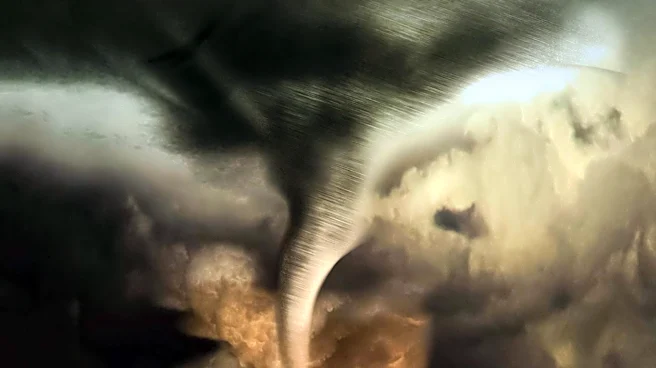
Environment Canada is set to launch an updated alerting system for thunderstorms and tornadoes, expected as early as Tuesday. This new system will transition from regional alerts to more precise, targeted alert areas known as 'free form polygons.' The
change aims to provide faster and geographically accurate warnings to individuals in areas most likely to be affected by severe weather. The updated alerts will specifically apply to severe thunderstorm and tornado warnings, while other weather alerts will continue to be issued to predetermined zones. This initiative is part of a modernization effort to improve the effectiveness of weather warnings, a move welcomed by Canadian forecasters, researchers, and residents who have experienced recent tornadoes.
Why It's Important?
The implementation of a more precise alert system is crucial for enhancing public safety during severe weather events. By reducing the number of unnecessary alerts, the system aims to prevent 'alert fatigue,' where frequent, non-specific warnings lead to complacency among the public. This change is particularly significant in regions like Manitoba, which has experienced a higher-than-average number of tornadoes this year. The new system is expected to improve the accuracy of warnings, allowing residents to take timely and appropriate action to protect themselves and their property. The adoption of this technology aligns with practices already in use by the National Weather Service in the United States, potentially setting a new standard for weather alert systems in Canada.
What's Next?
Once the system is launched, Environment Canada will likely monitor its effectiveness and gather feedback from users to make further improvements. The department encourages Canadians to download the WeatherCan app or visit its website for reliable alerts. As the system becomes operational, forecasters and researchers will assess its impact on public response to severe weather warnings. The success of this initiative could lead to broader applications of polygon-based alerting systems for other types of weather events in the future.