




What's Happening?
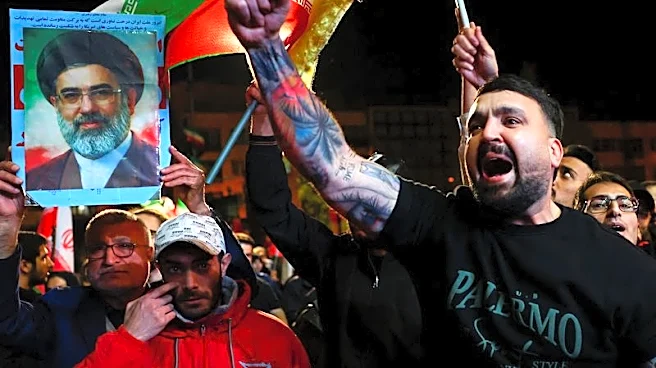
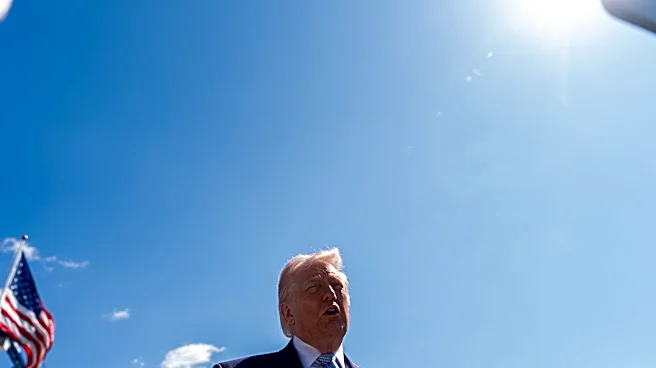
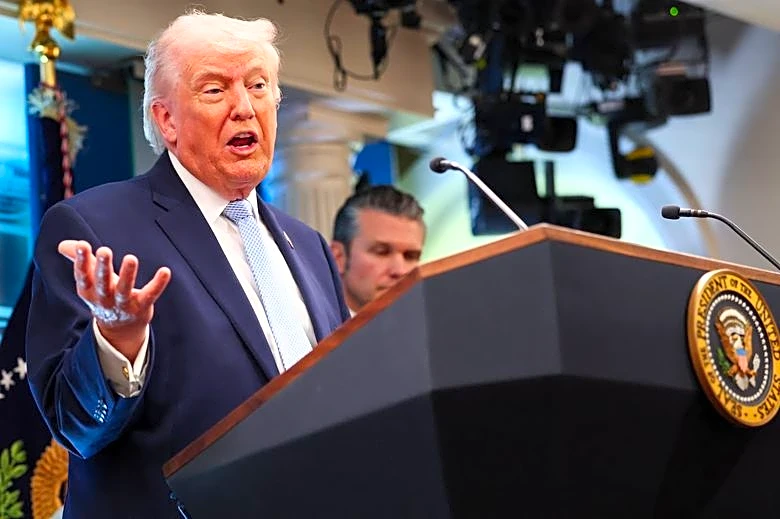
President Trump has announced a two-week ceasefire with Iran, claiming a diplomatic victory by securing the 'COMPLETE, IMMEDIATE, and SAFE OPENING of the Strait of Hormuz.' This development follows a tense period marked by threats of military escalation.
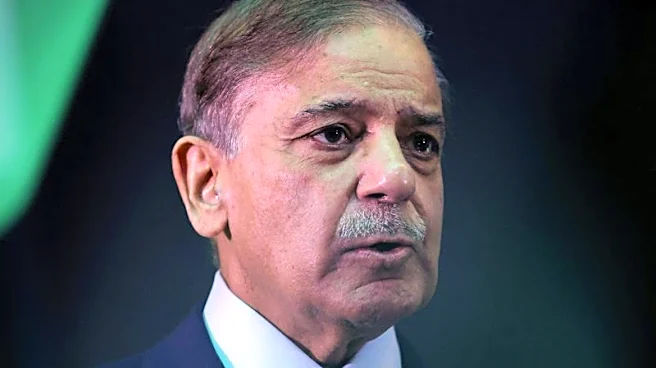
The ceasefire aims to allow safe passage for oil tankers, potentially averting significant economic disruption. However, Iran has asserted its right to coordinate traffic through the strait, raising concerns about its geopolitical leverage. The ceasefire was brokered with the help of Pakistan, which will facilitate upcoming talks between the U.S. and Iran.
Why It's Important?
The ceasefire is crucial as it temporarily alleviates the threat of a major conflict in the Middle East, which could have severe global economic repercussions due to the strategic importance of the Strait of Hormuz. The strait is a vital oil transit route, and any prolonged disruption could lead to significant increases in global oil prices. The situation also highlights the complexities of U.S.-Iran relations and the challenges of negotiating with a regime that holds significant regional influence. The outcome of this ceasefire could impact President Trump's political standing, as his handling of the situation has drawn both criticism and support.
What's Next?
The next steps involve diplomatic negotiations facilitated by Pakistan, aiming to reach a more permanent resolution. The U.S. and its allies will need to carefully navigate these talks to prevent Iran from gaining long-term control over the strait, which could destabilize the region further. The international community will be watching closely to see if the ceasefire holds and whether it leads to a de-escalation of tensions. The U.S. Congress may also seek to assert its role in overseeing the administration's foreign policy decisions, given the constitutional questions raised by the president's unilateral actions.
Beyond the Headlines
This situation underscores the broader implications of President Trump's foreign policy approach, characterized by unpredictability and direct threats. It raises ethical and strategic questions about the use of military power and the potential consequences of aggressive rhetoric. The incident also reflects the shifting dynamics of global power, with countries like Pakistan playing a mediating role. The outcome of these negotiations could influence future U.S. foreign policy and its approach to international conflicts.