









What's Happening?
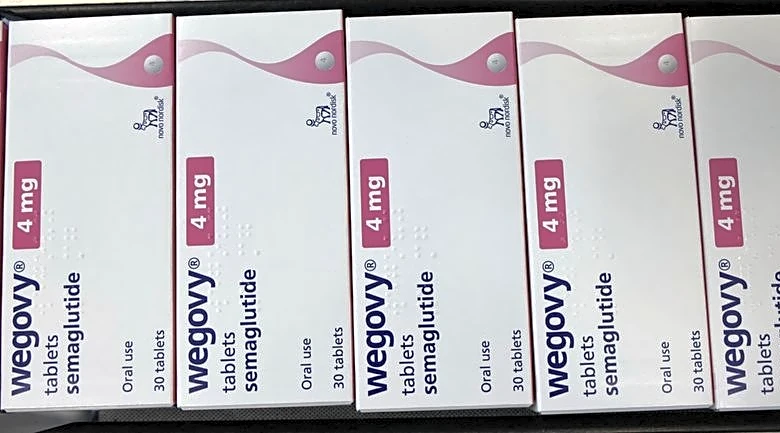
Clinical studies are revealing that semaglutide and tirzepatide, medications known for glucose control and weight loss, may also reduce systemic inflammation markers in humans. While these GLP-1 agonists are primarily recognized for their metabolic benefits,
research suggests a potential anti-inflammatory effect. For instance, the SELECT phase 3 study, conducted by Novo Nordisk, involving 17,600 individuals with overweight or obesity and established cardiovascular disease but without diabetes, showed that semaglutide reduced high-sensitivity C-reactive protein (hsCRP) by approximately 38% compared to a placebo over 104 weeks. This reduction was observed early in the treatment, even before significant weight loss occurred, suggesting that the anti-inflammatory effect might not be solely attributable to weight reduction. Additionally, Novo Nordisk's ESSENCE phase 3 study in patients with MASH (metabolic dysfunction-associated steatohepatitis) and liver fibrosis indicated resolution of steatohepatitis in 63% of participants treated with semaglutide.
Why It's Important?
The potential anti-inflammatory properties of semaglutide and tirzepatide could significantly broaden their therapeutic applications beyond diabetes and obesity, impacting millions of Americans suffering from chronic inflammatory conditions. If these direct anti-inflammatory mechanisms are confirmed, it could lead to new treatment strategies for diseases where inflammation plays a key role, such as cardiovascular disease, liver conditions like MASH, and potentially autoimmune disorders. This could reduce the burden of chronic diseases and improve patient outcomes. For pharmaceutical companies like Novo Nordisk and Eli Lilly, this opens up new market opportunities and avenues for drug development. Healthcare providers might gain additional tools to manage complex conditions, while patients could benefit from medications that address multiple health issues simultaneously, potentially simplifying treatment regimens and improving overall health.
What's Next?
Further robust and specific clinical studies are necessary to definitively establish the efficacy, safety, and clinical benefit of semaglutide and tirzepatide as anti-inflammatory agents in various populations and diseases. Researchers need to precisely determine the extent to which the observed anti-inflammatory effects are direct actions of the drugs versus indirect effects of weight loss and metabolic improvements. Studies are also exploring potential applications in dermatology for conditions like psoriasis and psoriatic arthritis, as well as in inflammatory bowel diseases and neuroinflammation. The outcomes of these ongoing investigations will dictate whether these medications receive expanded indications, potentially transforming treatment paradigms for a wider range of inflammatory conditions and influencing future drug development strategies in the pharmaceutical industry.
Beyond the Headlines
The emerging evidence of anti-inflammatory effects from GLP-1 agonists like semaglutide and tirzepatide hints at a more complex interplay between metabolic regulation, weight management, and systemic inflammation than previously understood. This could lead to a paradigm shift in how chronic diseases are viewed and treated, moving towards therapies that address underlying metabolic and inflammatory pathways simultaneously. Ethically, the widespread use of these drugs for weight loss and diabetes management, coupled with potential anti-inflammatory benefits, raises questions about equitable access and affordability, especially if they become first-line treatments for a broader spectrum of conditions. The scientific community will also need to delve deeper into the precise molecular mechanisms by which these drugs exert their anti-inflammatory actions, potentially uncovering new therapeutic targets and advancing our understanding of inflammatory processes in the human body.