






What's Happening?
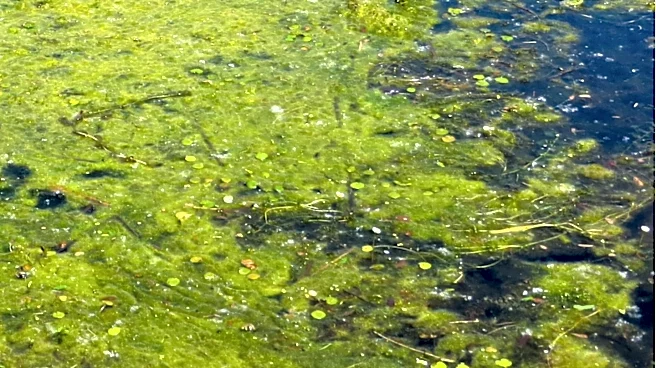
Antibiotic resistance is increasingly becoming a significant threat to both human and environmental health. According to a collection of research supported by Nature, antibiotic resistance genes and bacteria are spreading rapidly across various environments,
from urban wastewater to untouched natural areas. This resistance makes harmful pathogens and bacteria more difficult to treat, posing a challenge to public health systems worldwide. The research emphasizes the need to understand the locations and mechanisms of antibiotic resistance dissemination to mitigate its impact.
Why It's Important?
The spread of antibiotic resistance has profound implications for global health, as it threatens the effectiveness of treatments for bacterial infections. This resistance could lead to higher medical costs, prolonged hospital stays, and increased mortality rates. The environmental spread of resistance genes also highlights the interconnectedness of human and ecosystem health, necessitating a comprehensive approach to address the issue. Understanding and controlling antibiotic resistance is crucial for maintaining public health and ensuring the sustainability of medical treatments.
What's Next?
Efforts to combat antibiotic resistance will likely involve increased research into the mechanisms of resistance spread and the development of new antibiotics or alternative treatments. Policymakers may need to implement stricter regulations on antibiotic use in agriculture and healthcare to curb resistance development. International collaboration will be essential to address this global health challenge effectively.