
What's Happening?
The Florida Fish and Wildlife Conservation Commission (FWC) and the Fish and Wildlife Foundation of Florida (FWFF) have announced the creation of a 'coastal corridor' aimed at preserving and nourishing
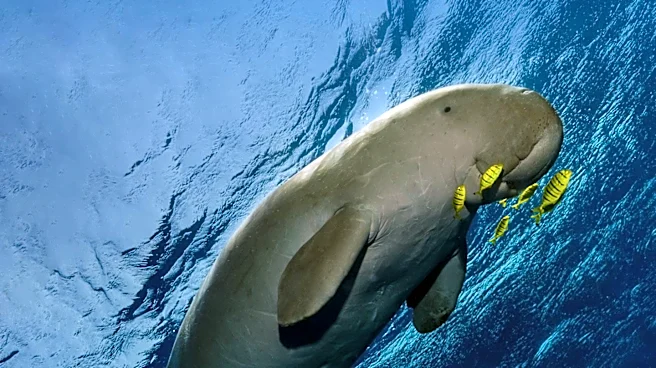
vulnerable marine life. This initiative is designed to address the significant climate-related challenges faced by Florida's marine ecosystems, such as disappearing manatees, bleached coral reefs, and destroyed oyster beds. The project will create a network of artificial reefs, oyster beds, seagrass, and mangroves along Florida's Atlantic and Gulf coasts. The goal is to protect and connect important habitats for fish and wildlife, drawing inspiration from the state's successful wildlife corridor established in 2021. The coastal corridor is expected to not only safeguard Florida's marine legacy but also boost the economy, as recreational fishing and artificial reef creation contribute significantly to the state's revenue and job market.
Why It's Important?
The coastal corridor project is crucial for both environmental and economic reasons. Florida's marine ecosystems face severe threats from climate change, and this initiative aims to mitigate these impacts by creating a connected habitat for marine life. Economically, the project is significant as recreational fishing alone generates $14 billion annually and supports 120,000 jobs. Additionally, artificial reefs contribute $3.1 billion and 39,000 jobs. By enhancing marine habitats, the project is expected to sustain and potentially increase these economic benefits. The initiative also highlights the importance of collaboration among local governments, scientists, and conservation organizations to achieve environmental and economic goals.
What's Next?
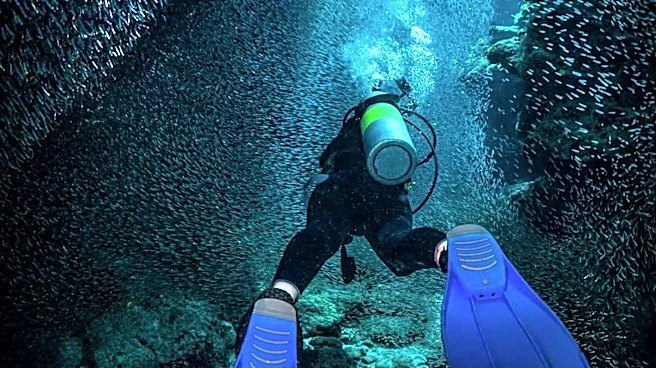
The coastal corridor project will involve strategic deployments of artificial reefs and other habitat restoration efforts. An early project includes a collaboration with Collier County to lay a new artificial reef in the Gulf of Mexico. Future plans involve exploring coastal restoration projects to address beach erosion and the loss of coastal mangroves. The initiative aims to create a network of connected habitats that will improve coastal resiliency and provide opportunities for recreational activities such as fishing and diving. The success of this project could serve as a model for other regions facing similar environmental challenges.