





What's Happening?
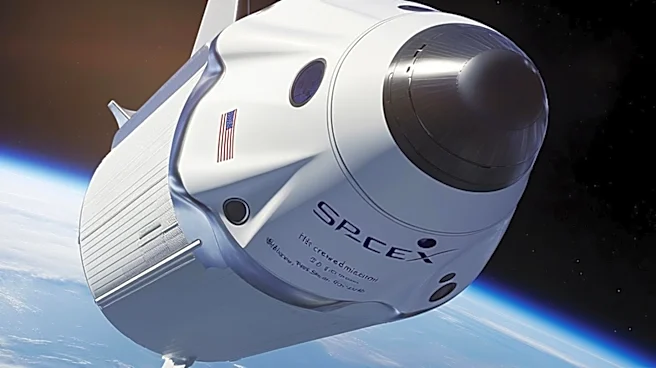
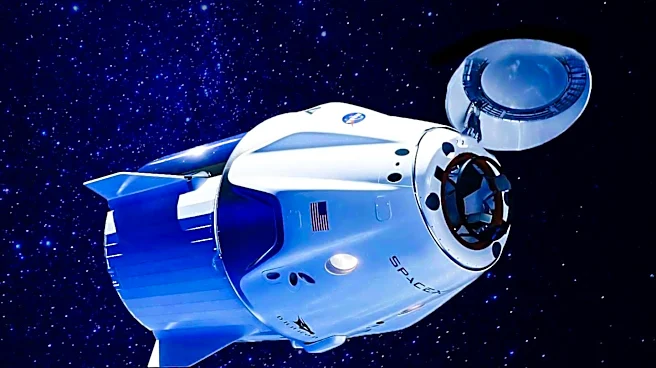
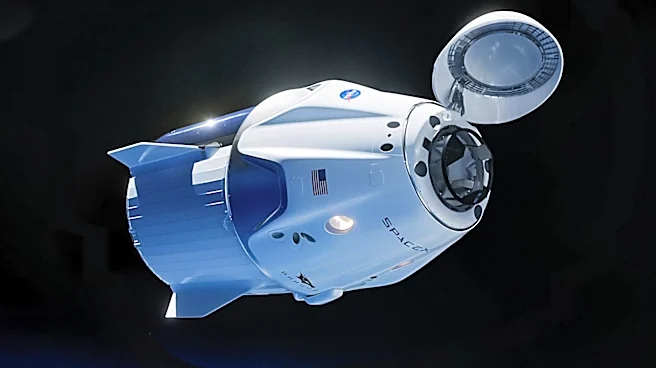
NASA has significantly expanded its commercial crew contract with SpaceX, adding nearly $1 billion for three more Crew Dragon missions to the International Space Station (ISS). This contract modification, valued at $946 million, covers Crew-15, Crew-16,
and Crew-17. The agreement includes comprehensive services such as ground operations, launch, in-orbit support, return and recovery, cargo transportation, and providing lifeboat capability while the spacecraft is docked at the ISS. This addition increases the total value of SpaceX's Commercial Crew Transportation Capability (CCtCap) contract to $5.92 billion. The missions are scheduled with readiness dates in 2027 and 2028, and the contract's performance period extends through 2030. This move aims to ensure continued U.S. crew access to the orbiting laboratory, especially as the future of Boeing's Starliner program remains uncertain.
Why It's Important?
This substantial contract extension underscores NASA's reliance on SpaceX for reliable human spaceflight capabilities, particularly given the ongoing challenges faced by Boeing's Starliner program. The additional missions provide critical assurance for maintaining a continuous U.S. presence on the ISS, which is vital for scientific research and international collaboration in space. For SpaceX, this represents a significant financial boost and solidifies its position as a leading provider of space transportation services. The contract also highlights the evolving landscape of commercial spaceflight, where private companies play an increasingly central role in national space endeavors. The continued investment in Crew Dragon ensures that NASA has a proven and operational system to transport astronauts, mitigating risks associated with potential delays or issues with other commercial providers.
What's Next?
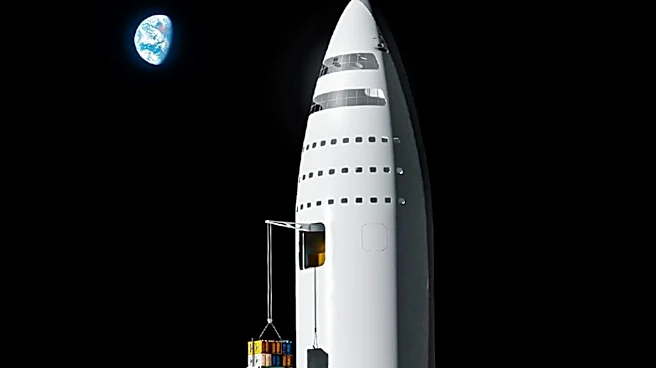
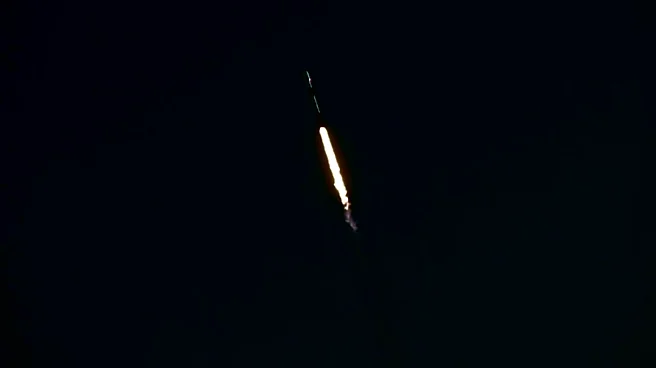
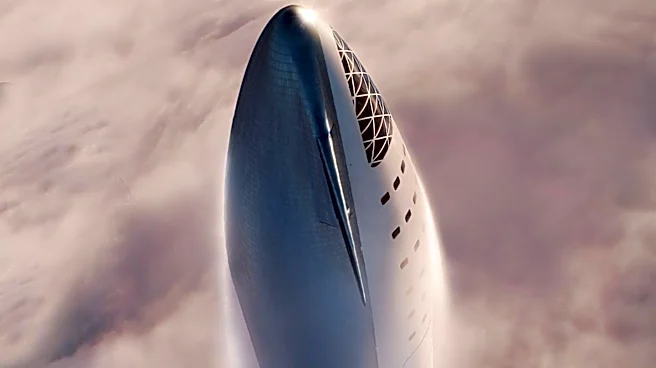
The newly contracted Crew Dragon missions (Crew-15, Crew-16, and Crew-17) are slated for readiness in 2027 and 2028, with the contract extending through 2030. These missions will continue to ferry astronauts to and from the ISS, supporting ongoing research and operations. The future beyond these missions remains somewhat open, as SpaceX has indicated its long-term plan to transition from Dragon and Falcon 9 to its larger Starship vehicle. NASA also intends to retire the ISS around 2030 and use a SpaceX-developed vehicle for its controlled deorbit. The performance of Boeing's Starliner in future missions will be closely watched, as its reliability could influence NASA's long-term strategy for crew transportation to low Earth orbit and the commercial stations planned to succeed the ISS.
Beyond the Headlines
The decision to award SpaceX additional missions, particularly in light of Boeing's Starliner issues, highlights a broader strategic shift in U.S. space policy towards greater reliance on commercial partners. While fostering competition was a key goal of the CCtCap program, the current situation demonstrates the practical challenges and risks associated with developing new human-rated spacecraft. This reliance on a single primary provider for crew transport could raise questions about redundancy and resilience in the long term, especially as the ISS approaches its retirement and new commercial space stations are envisioned. The success and continued evolution of SpaceX's Crew Dragon, and eventually Starship, will be crucial not only for NASA's immediate needs but also for shaping the future of human access to space and the development of a robust commercial space economy.