



What's Happening?
President Trump, during his 2024 campaign, promised a significant increase in blue-collar jobs, particularly in manufacturing and other manual labor sectors. However, as the year concludes, these promises have not been realized. Instead, industries traditionally
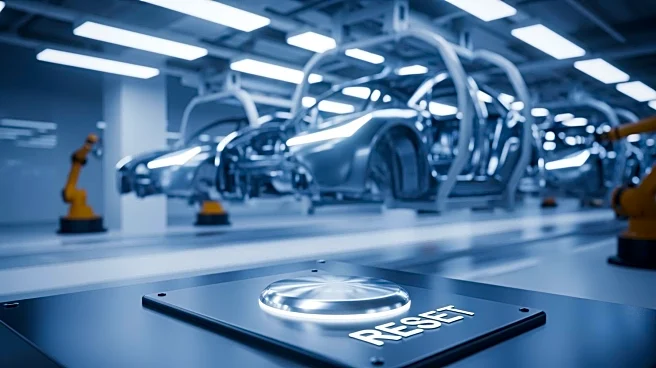
associated with blue-collar work, such as manufacturing, transportation, and warehousing, have been reducing their workforce. The latest data from the Bureau of Labor Statistics indicates a decline in manufacturing jobs, reaching the lowest levels since March 2022. This downturn is attributed to several factors, including President Trump's tariff policies, which have increased costs for critical imports like steel and aluminum, and broader economic pressures such as high borrowing costs and automation. Despite these challenges, the construction sector has shown some growth, adding jobs over recent months.
Why It's Important?
The failure to deliver on the promised blue-collar jobs boom has significant implications for the U.S. economy and workforce. Blue-collar jobs are crucial for many American families, providing stable employment and supporting local economies. The decline in these jobs, exacerbated by tariff policies and economic uncertainties, affects not only individual workers but also the broader economic landscape. The situation highlights the complexities of reshoring manufacturing jobs and the impact of global trade policies on domestic employment. Additionally, the rise of automation presents a long-term challenge for blue-collar sectors, potentially reshaping the job market and requiring new skills and training for workers.
What's Next?
Looking forward, there is cautious optimism that the blue-collar job market may improve as the initial impacts of tariff policies begin to subside. Economists suggest that while a significant boom may not occur, there could be stabilization and modest growth in these sectors. The potential rebound is critical for communities reliant on blue-collar employment, as job availability directly affects economic stability and quality of life. Policymakers and industry leaders may need to focus on strategies to mitigate the effects of automation and trade policies, ensuring that workers are equipped with the necessary skills to adapt to changing job demands.