




What's Happening?
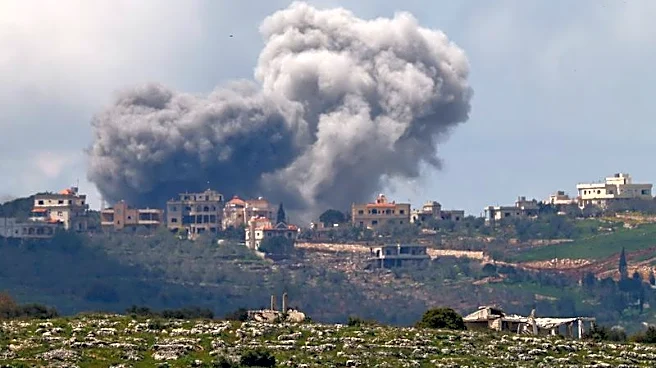
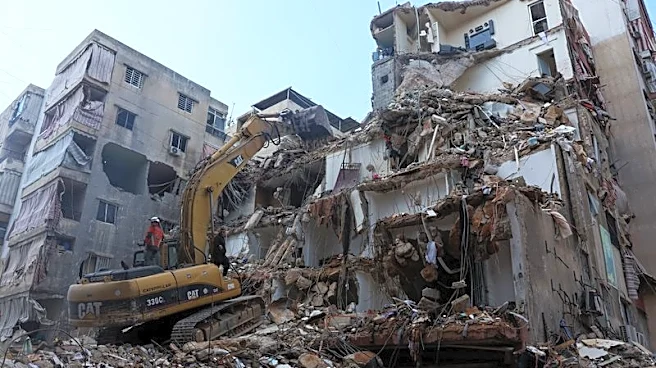
Israeli opposition leaders, including Yair Lapid and Avigdor Liberman, have criticized the recent ceasefire between Israel and Lebanon, mediated by President Trump. They argue that the ceasefire undermines Israel's security by allowing Hezbollah time
to regroup. Former IDF chief Gadi Eisenkot expressed concerns about Israel being forced into ceasefires without achieving political gains. The opposition views the ceasefire as a temporary solution that fails to address the long-term threat posed by Hezbollah. Internationally, the ceasefire has received support, with EU Commission President Ursula von der Leyen welcoming the pause in hostilities.
Why It's Important?
The opposition's criticism highlights internal divisions within Israel regarding the government's handling of security threats. The ceasefire's reception reflects broader geopolitical dynamics, with international actors supporting efforts to de-escalate tensions. The situation underscores the challenges of balancing military actions with diplomatic solutions in conflict zones. The opposition's stance may influence future Israeli policy, particularly if political power shifts. The ceasefire's success or failure could impact regional stability and Israel's relations with neighboring countries and international allies.
What's Next?
The Israeli government may face increased pressure from opposition parties to adopt a more aggressive stance against Hezbollah. Future political developments, including potential elections, could shift the balance of power and influence Israel's approach to security and diplomacy. The international community may continue to advocate for a lasting peace agreement, but achieving consensus among regional actors remains challenging. Monitoring the ceasefire's implementation and any violations will be crucial in assessing its effectiveness and potential for long-term peace.