



What's Happening?
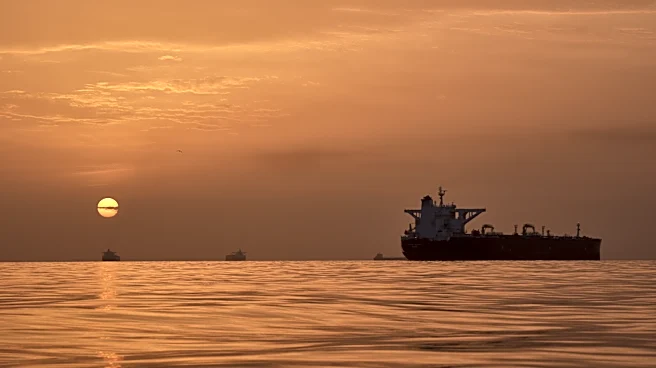
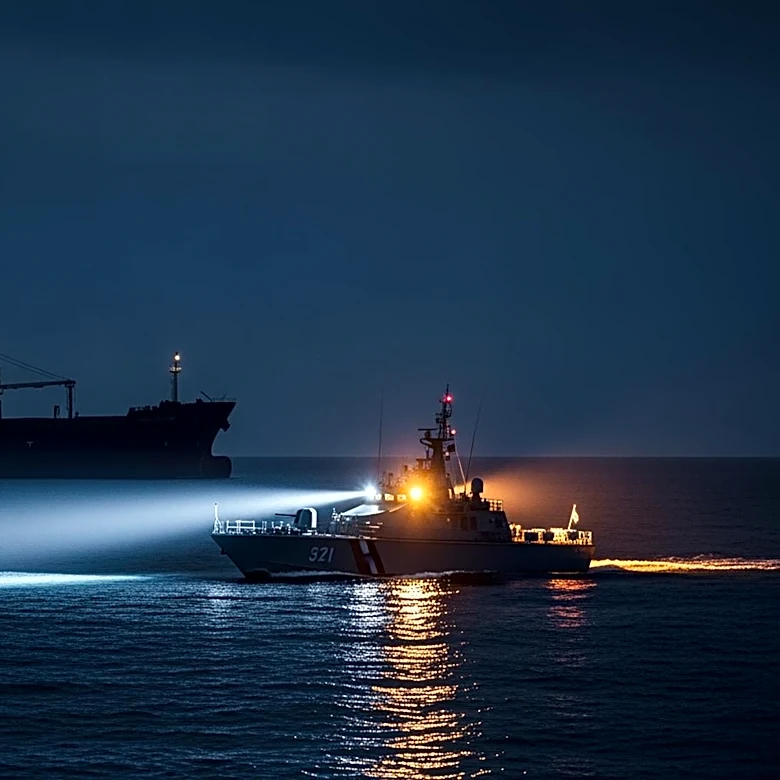
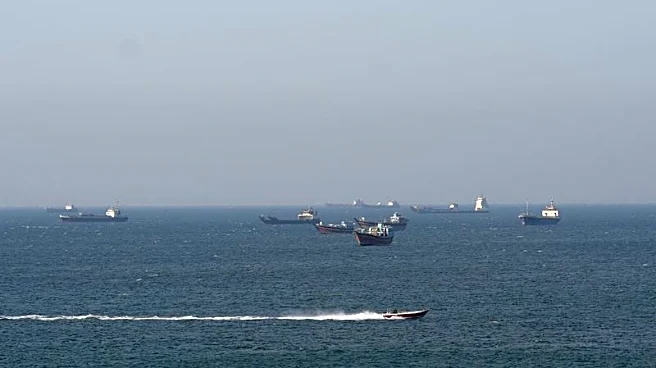
President Trump announced that U.S. negotiators will travel to Islamabad, Pakistan, for a new round of talks with Iran, aiming to extend a fragile ceasefire. The discussions are set against the backdrop of ongoing tensions over the Strait of Hormuz, a critical
waterway for global oil trade. Iran has not confirmed its participation in the talks, and its chief negotiator, Mohammed Bagher Qalibaf, emphasized that significant diplomatic gaps remain. The U.S. delegation, led by Vice President JD Vance, will include envoys Steve Witkoff and Jared Kushner. Security measures in Islamabad have been heightened in preparation for the talks.
Why It's Important?
The talks are crucial as they aim to address the ongoing U.S.-Iran standoff, particularly concerning the Strait of Hormuz, through which a significant portion of the world's oil supply passes. The blockade and tensions have already led to a global energy crisis, affecting oil prices and supply chains. Successful negotiations could ease these tensions, stabilize oil markets, and prevent further escalation into military conflict. However, failure to reach an agreement could exacerbate the situation, leading to increased geopolitical instability and economic repercussions worldwide.
What's Next?
The outcome of the talks remains uncertain, with Iran's participation still unconfirmed. If the talks proceed, they could lead to a temporary easing of tensions and possibly a more permanent resolution. However, the U.S. has threatened severe consequences if Iran does not agree to the proposed terms, which could lead to further military and economic actions. The international community will be closely monitoring the situation, as any developments could have significant implications for global security and economic stability.