





What's Happening?
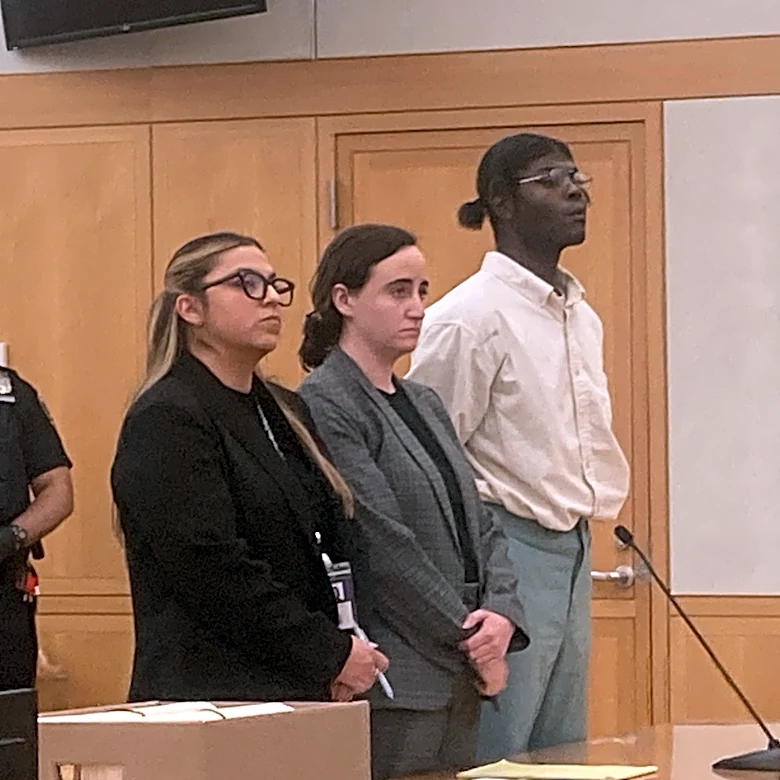
Curtis Flowers, a Black man who spent over 22 years in prison, including time on death row in Mississippi, has died at the age of 56. His death was confirmed by his legal team, though no cause was given. Flowers was arrested in 1996 for the shooting deaths
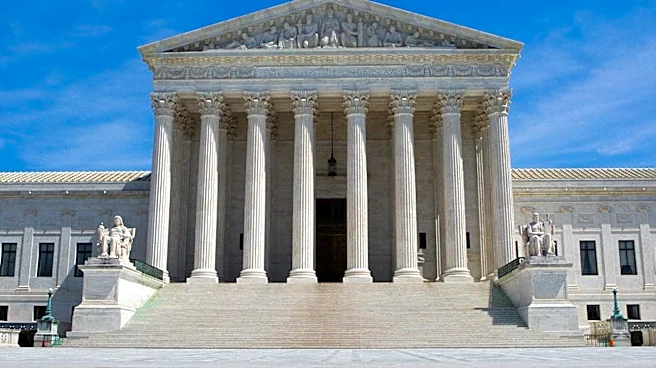
of four people in a Winona, Mississippi furniture store. He was tried six times for the killings, with three convictions being overturned and two trials ending in hung juries. In 2019, the U.S. Supreme Court overturned his conviction and death sentence in a 7-2 decision, with Justice Brett Kavanaugh citing the prosecutor's removal of Black prospective jurors as a violation of Flowers' right to a fair trial. Flowers was released in December 2019 after a judge set bond and Mississippi dropped all charges against him in September 2020. He later filed a lawsuit against the district attorney and investigators for alleged misconduct.
Why It's Important?
The case of Curtis Flowers is a landmark example of racial bias in the U.S. justice system, particularly concerning jury selection. His repeated trials and eventual exoneration after more than two decades highlight systemic issues that can lead to wrongful convictions and disproportionate sentencing for Black individuals. The Supreme Court's intervention underscored the importance of fair jury selection processes and the unconstitutionality of racially motivated juror exclusions. Flowers' story serves as a powerful testament to the perseverance required to fight for justice within a flawed system and the devastating personal cost of such battles. His case has contributed to ongoing discussions about criminal justice reform, prosecutorial accountability, and the need to address racial disparities in legal proceedings.
What's Next?
While Curtis Flowers has passed away, his legal team emphasized that his name is 'etched into U.S. Supreme Court jurisprudence' regarding the fight for fair trials free from racial bias in jury selection. The lawsuit he filed in 2021 against former District Attorney Doug Evans and three investigators, alleging misconduct including pressuring witnesses and ignoring other suspects, remains a significant aspect of his legacy. This lawsuit seeks to hold accountable those involved in his wrongful imprisonment and could set precedents for future cases of alleged prosecutorial misconduct. The ongoing investigations and legal actions stemming from his case will continue to influence discussions and reforms within the criminal justice system, particularly concerning racial equity and due process.
Beyond the Headlines
Flowers' case extends beyond legal technicalities to illuminate the profound human impact of wrongful imprisonment and systemic injustice. His experience underscores the psychological and social toll of decades spent incarcerated for a crime one did not commit, and the challenges of reintegration into society even after exoneration. The repeated attempts by the prosecution to secure a conviction, despite evidence of racial bias in jury selection, reveal a deeper institutional resistance to acknowledging and rectifying such injustices. His story serves as a poignant reminder of the ongoing struggle for civil rights and equal protection under the law, and the critical role of legal advocacy in challenging entrenched biases within the justice system.