



What's Happening?
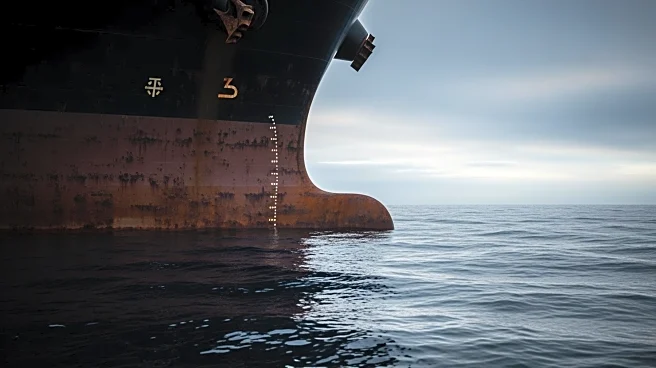
Oil prices experienced an increase on Monday during early Asian trading hours after the United States intercepted an oil tanker off the coast of Venezuela in international waters. This action is part of a series of operations by the U.S., with officials
indicating the pursuit of another tanker, marking the third such operation in less than two weeks. The interception has contributed to a rise in U.S. West Texas Intermediate crude prices, which were up by 34 cents, or 0.6%, reaching $56.86 per barrel.
Why It's Important?
The interception of the Venezuelan oil tanker by the U.S. underscores ongoing geopolitical tensions and their impact on global oil markets. Such actions can lead to fluctuations in oil prices, affecting both domestic and international economic conditions. For the U.S., higher oil prices can influence inflation rates and consumer costs, while also impacting energy sector investments. The situation also highlights the strategic importance of oil supply routes and the potential for diplomatic conflicts to disrupt global energy supplies.
What's Next?
The U.S. may continue its operations to intercept oil tankers linked to Venezuela, potentially leading to further diplomatic tensions. These actions could provoke responses from Venezuela and its allies, possibly affecting international relations and trade agreements. Additionally, continued volatility in oil prices may prompt discussions among major oil-producing nations regarding production levels and market stability. Stakeholders in the energy sector will likely monitor these developments closely to assess their impact on future investments and strategies.