

What's Happening?
The Prime Ministers of Canada and Australia, Mark Carney and Anthony Albanese, have jointly called for a de-escalation of the ongoing conflict involving Iran. During a meeting in Canberra, the leaders stressed that Iran must not be allowed to acquire
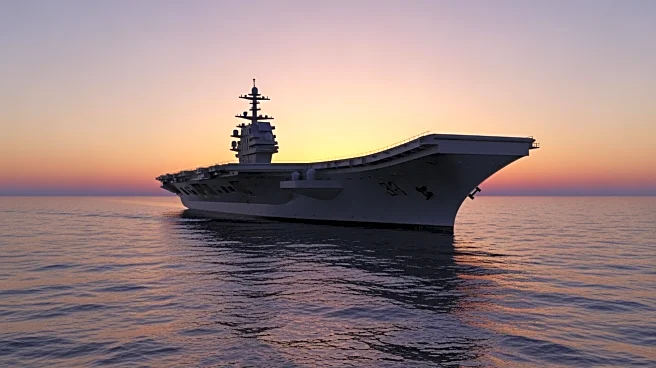
nuclear weapons. This meeting follows recent military developments, including a U.S. submarine sinking an Iranian warship and NATO intercepting an Iranian missile. Carney emphasized the need for a broader de-escalation involving more countries beyond the immediate belligerents. He also highlighted the role of the Gulf Cooperation Council in maintaining restraint and potentially aiding in the de-escalation process. Albanese echoed these sentiments, underscoring the global desire for reduced hostilities and the prevention of Iran's nuclear armament.
Why It's Important?
The statements from Canada and Australia underscore the international community's concern over nuclear proliferation and regional stability in the Middle East. The potential acquisition of nuclear weapons by Iran poses significant risks to global security and could trigger a regional arms race. The involvement of NATO and the Gulf Cooperation Council indicates the conflict's potential to escalate beyond the immediate region, affecting global political and economic stability. The leaders' call for de-escalation reflects a broader international effort to prevent further military escalation and promote diplomatic solutions.
What's Next?
The next steps may involve increased diplomatic efforts to engage Iran and other regional players in dialogue aimed at reducing tensions. The involvement of international bodies like the Gulf Cooperation Council could facilitate multilateral discussions. Additionally, the international community may continue to monitor Iran's nuclear activities closely, potentially leading to further sanctions or diplomatic interventions if necessary. The situation remains fluid, with potential implications for international relations and security policies.