





What's Happening?
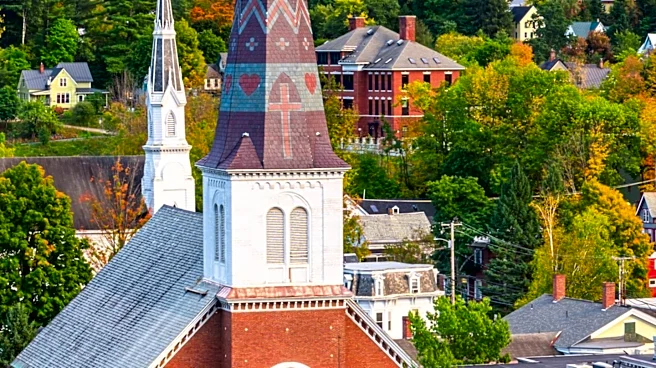
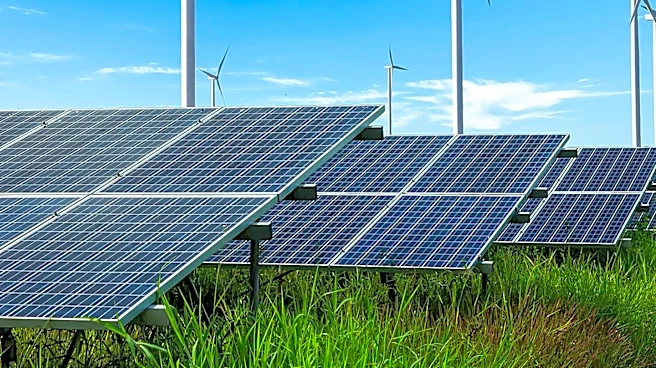
St. Peter’s–San Pedro Episcopal Church in Salem, Massachusetts, is spearheading an ambitious renewable energy project known as the Heaven and Earth Project. This initiative aims to create a community-wide renewable energy network utilizing solar and geothermal
energy. The project was motivated by a significant increase in the church's heating costs after a malfunctioning gas meter was replaced, which highlighted the need for sustainable energy solutions. The network will serve around two dozen buildings in downtown Salem, including commercial, residential, and municipal structures. The church, a historic building dating back to 1733, will act as a climate resilience hub, providing uninterruptible green energy during climate emergencies. The project involves collaboration with various partners, including a geothermal energy company, engineering firms, and local nonprofits, and has received substantial grant funding to support its development.
Why It's Important?
The Heaven and Earth Project represents a significant step towards sustainable energy solutions at a community level, particularly in a historic area like Salem. By transitioning to renewable energy, the project aims to reduce greenhouse gas emissions and lower energy costs for the community. This initiative is especially crucial for low-income residents who are more vulnerable to the impacts of climate change and rising energy costs. The project also aligns with Massachusetts' broader goals of achieving zero greenhouse gas emissions from buildings by 2050. Additionally, it serves as a model for other communities and religious institutions nationwide, demonstrating how historic sites can adapt to modern energy needs while preserving their cultural heritage.
What's Next?
The project team is currently fundraising and engaging with the community to finalize plans for the energy network's implementation. Discussions are ongoing regarding the governance and launch timeline of the network, with a decision expected later this year. The church aims to be running on green energy within two years, with continued community involvement in the decision-making process. The success of this project could inspire similar initiatives in other communities, contributing to broader efforts to combat climate change and promote energy resilience.