



What's Happening?
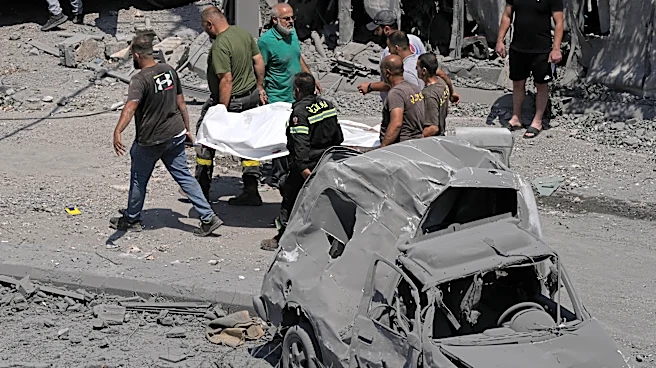
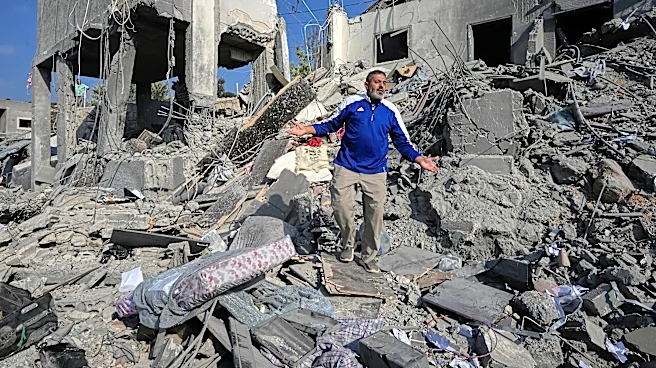
UN High Commissioner for Human Rights Volker Türk has voiced significant alarm regarding the escalating civilian casualties in Yemen, calling for immediate de-escalation of hostilities. Since August 6, at least 17 civilian casualties have been reported
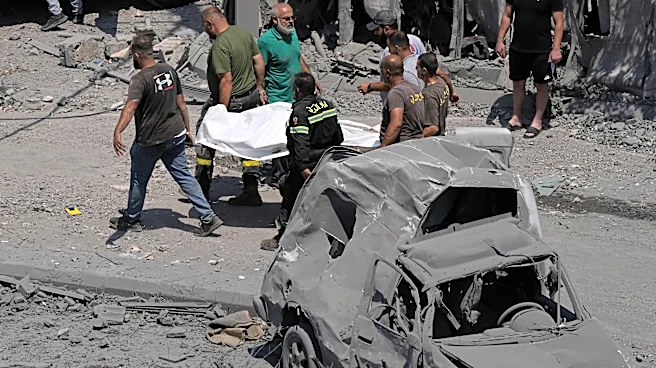
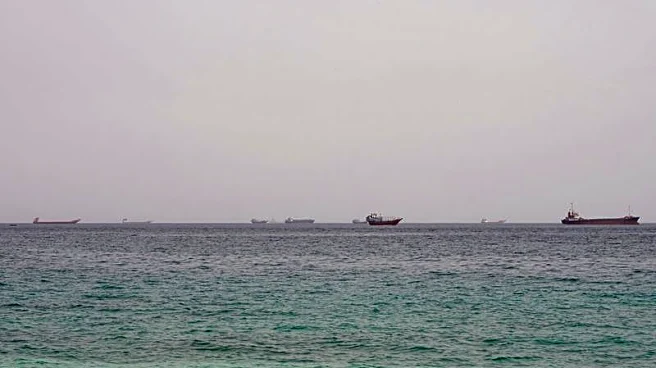
in government-controlled areas due to attacks by Ansar Allah (Houthi group), with two additional casualties in Houthi-controlled areas in late July. These attacks include a missile strike on August 7 at the Jaw al-Naseem camp for internally displaced people in Ma'rib, injuring six civilians, including a child. Furthermore, missile and drone attacks on Al-Mokha port in Ta'izz Governorate on August 9 resulted in the deaths of three port workers and injuries to four others. The UN Human Rights Office is also verifying reports of subsequent attacks on Al-Mokha Port on August 14 and 15 that may have caused more civilian casualties. An attack on a cargo ship in the Bab el-Mandeb Strait on August 11 reportedly killed four crew members and injured several others. Türk emphasized the critical importance of all parties adhering to international humanitarian and human rights law, urging them to refrain from targeting civilians and civilian objects and to take all feasible precautions to prevent civilian deaths and injuries.
Why It's Important?
The escalating violence in Yemen, as highlighted by UN Human Rights Chief Volker Türk, poses a severe threat to the already dire humanitarian situation in the country. The targeting of civilian infrastructure, such as fuel storage facilities and a residential compound at the Saudi Field Hospital in Mokha, exacerbates the suffering of a population where at least 18 million Yemenis are already food insecure. This disregard for international humanitarian law not only increases immediate casualties but also undermines efforts to achieve a lasting peace and stability in the region. The attacks on commercial shipping, as noted by the UN Special Envoy for Yemen, Hans Grundberg, threaten global trade and jeopardize the fragile truce that has largely held since 2022. The continued conflict risks pushing Yemen back into full-scale war, reversing any progress made in alleviating the humanitarian crisis and further entrenching the cycle of violence and displacement. The international community's ability to provide aid and support is also hampered by the insecurity, making it harder to address the widespread needs of the Yemeni people.
What's Next?
UN Human Rights Chief Volker Türk has urged all parties to immediately halt any actions that risk returning Yemen to full-scale conflict and to de-escalate tensions. The UN Human Rights Office will continue to verify reports of civilian casualties and attacks on civilian objects. The UN Special Envoy for Yemen, Hans Grundberg, has already informed the Security Council about the threats posed by Houthi attacks on commercial shipping to global trade and the country's fragile truce. Continued international pressure and diplomatic efforts will be crucial to ensure adherence to international humanitarian and human rights law. The focus will likely remain on securing a cessation of hostilities, protecting civilians, and ensuring unimpeded access for humanitarian aid. Reactions from major stakeholders, including regional powers and international organizations, will be closely watched as they consider further steps to address the escalating crisis and prevent a complete collapse of the peace process.
Beyond the Headlines
The renewed escalation in Yemen underscores the profound ethical and legal challenges inherent in protracted conflicts. The deliberate or indiscriminate targeting of civilians and civilian infrastructure, including hospitals and displacement camps, constitutes grave violations of international law and humanitarian principles. Beyond the immediate casualties, these actions inflict long-term psychological trauma on the population, destroy essential services, and perpetuate cycles of poverty and displacement. The involvement of various actors, including the Houthi group and government forces, highlights the complex and multi-faceted nature of the conflict, making a comprehensive resolution difficult. The impact on global trade routes, particularly in the Bab el-Mandeb Strait, also demonstrates how regional conflicts can have far-reaching economic consequences. The international community's response to these violations will set precedents for accountability in future conflicts and will be a test of its commitment to protecting human rights and upholding international law in war-torn regions.