







What's Happening?
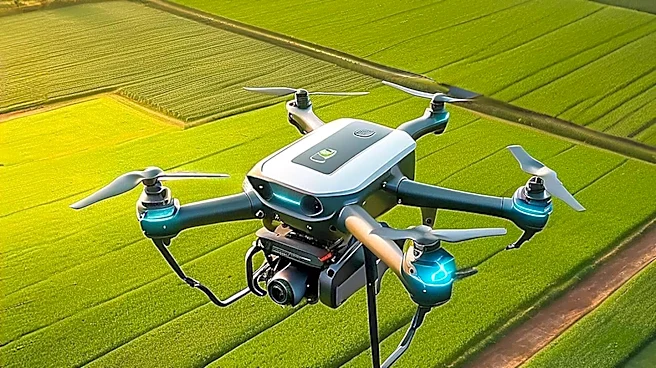
The University of Texas Rio Grande Valley (UTRGV) has been awarded $2.2 million by the U.S. Department of Agriculture (USDA) to develop drone-based technologies for detecting New World screwworm (NWS) infestations and protecting livestock and wildlife
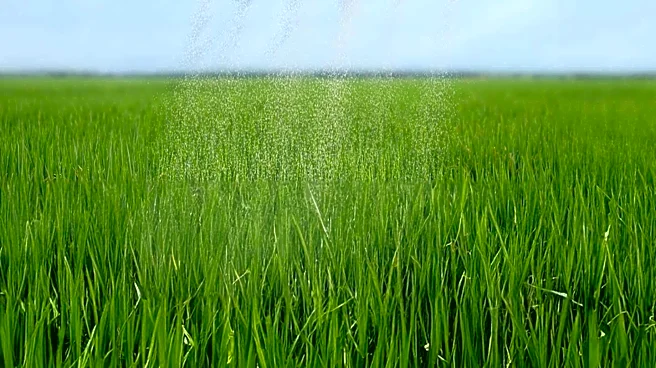
in South Texas. This two-year project, led by Dr. Sarah Mays Maestas and a team of faculty, is part of the USDA’s New World Screwworm Grand Challenge, which selected 40 projects nationwide for a total of $105 million in funding. UTRGV’s initiative will explore thermal imaging and machine learning for identifying infestations and wounded animals, evaluate drones for releasing sterile flies and delivering treatments, and develop habitat models using high-resolution drone imagery to target monitoring efforts more effectively. U.S. Rep. Monica De La Cruz highlighted the funding's significance for the community and local agricultural initiatives.
Why It's Important?
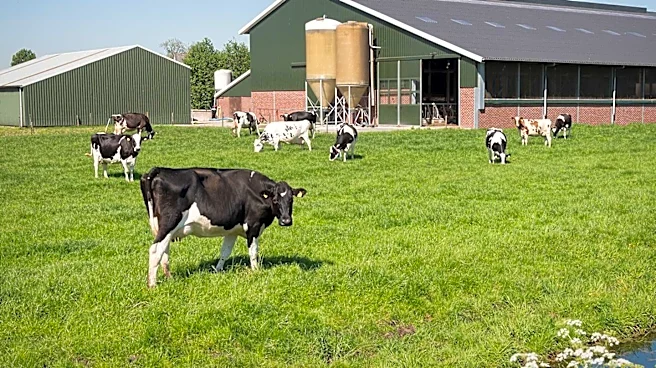
This USDA award is crucial for enhancing the nation's preparedness and response capabilities against the New World screwworm, particularly in South Texas, a critical region due to cross-border livestock movement, wildlife migration, and favorable environmental conditions. Traditional surveillance methods are challenging, especially for wildlife, making innovative solutions like drone technology vital. The project aims to safeguard animal health, protect livestock production—a significant income source for many in the region—and preserve wildlife. By developing advanced detection and prevention tools, UTRGV will contribute to a national effort to protect agricultural resources and the food supply, mitigating potential economic impacts and animal welfare concerns associated with NWS infestations.
What's Next?
Over the next two years, UTRGV researchers will focus on developing and testing drone-based technologies for NWS detection and prevention. This includes refining thermal imaging and machine learning algorithms to identify infestations and at-risk animals, as well as evaluating the efficacy of drones for sterile fly release and treatment delivery. The team will also create habitat models to predict areas prone to screwworm activity, allowing for more targeted surveillance and control efforts by agencies like USDA-APHIS and the Texas Animal Health Commission. The project's outcomes are expected to provide new, practical tools to aid in the fight against New World screwworm, strengthening regional and national animal health biosecurity.
Beyond the Headlines
The UTRGV project represents a significant leap in leveraging advanced technology, such as drones and artificial intelligence, for agricultural biosecurity. This initiative moves beyond conventional methods, offering a more efficient and scalable approach to monitoring vast and often inaccessible areas. It also underscores the critical role of regional universities in addressing local challenges with national implications, fostering innovation that directly benefits communities and contributes to broader national security goals related to food supply and animal health. The integration of diverse scientific disciplines—from biology and engineering to data science—highlights a modern, interdisciplinary approach to tackling complex environmental and agricultural threats, setting a precedent for future disease management strategies.