
What's Happening?
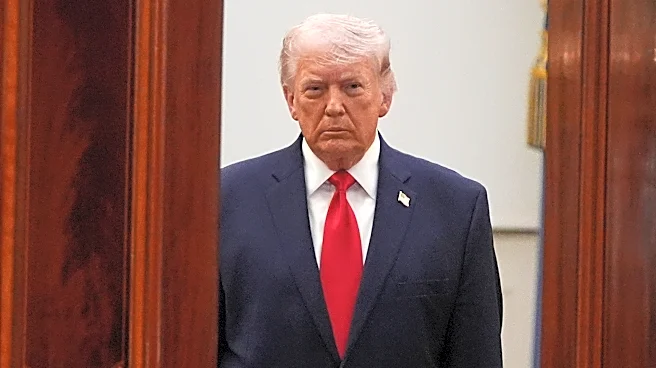
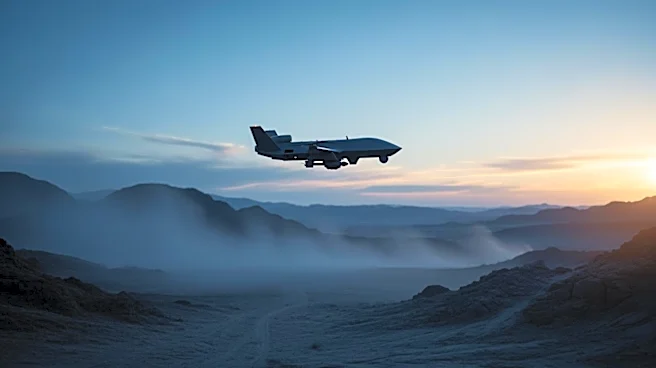
A group of over 100 U.S.-based international law experts have issued a statement expressing profound concern over the United States and Israel's military actions against Iran, which began on February 28, 2026. The experts argue that these strikes violate
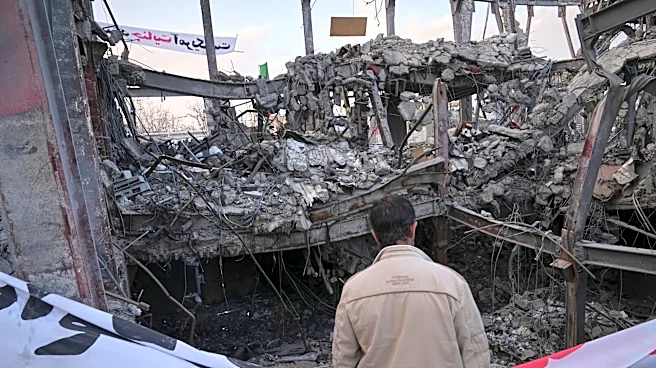
the United Nations Charter, which prohibits the use of force against another state unless in self-defense or authorized by the UN Security Council. The letter, signed by prominent legal scholars and practitioners, highlights potential violations of international humanitarian law, including possible war crimes, due to the targeting of civilian infrastructure and the rhetoric of U.S. officials. The experts emphasize the importance of adhering to international law and express concern over the U.S. government's approach to military engagement, which they claim prioritizes lethality over legality.
Why It's Important?
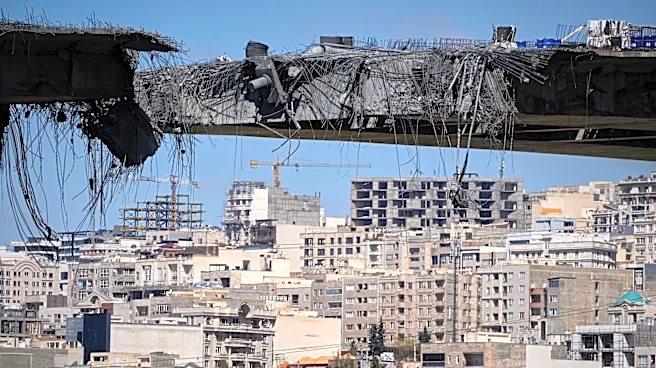
The actions of the United States and Israel in Iran have significant implications for international law and global stability. Violations of the UN Charter and international humanitarian law could undermine the international legal order and set a dangerous precedent for future conflicts. The strikes have resulted in substantial civilian casualties and damage to infrastructure, exacerbating humanitarian crises in the region. The rhetoric from U.S. officials, which dismisses the importance of international law, could further erode global norms and lead to increased instability. The financial cost of the conflict, estimated at $1-2 billion per day for U.S. taxpayers, also raises concerns about the economic impact on the United States.
What's Next?
The international community may respond to these developments by increasing diplomatic pressure on the United States and Israel to adhere to international law. There could be calls for investigations into potential war crimes and accountability for those responsible. The U.S. government may face domestic and international scrutiny over its military strategies and the rhetoric of its officials. Allies and partners of the United States may be urged to ensure compliance with international humanitarian law and to distance themselves from actions that violate global norms.
Beyond the Headlines
The conflict in Iran highlights the ethical and legal challenges of modern warfare, particularly the balance between military objectives and the protection of civilians. The erosion of legal safeguards within the U.S. military, as noted by the experts, raises concerns about the future conduct of U.S. military operations. The situation also underscores the importance of maintaining robust international legal frameworks to prevent the escalation of conflicts and protect human rights. The potential long-term environmental and economic impacts of the conflict could have lasting effects on the region and beyond.