

What's Happening?
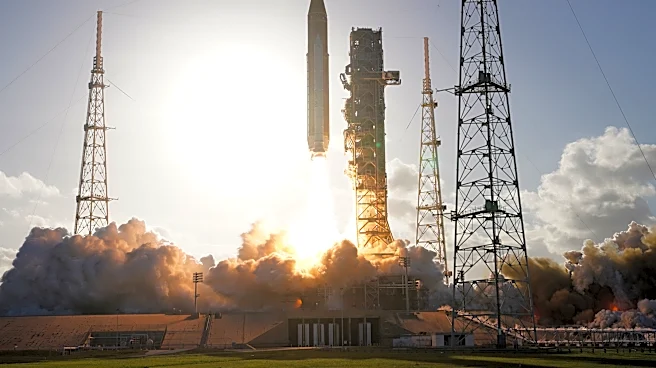
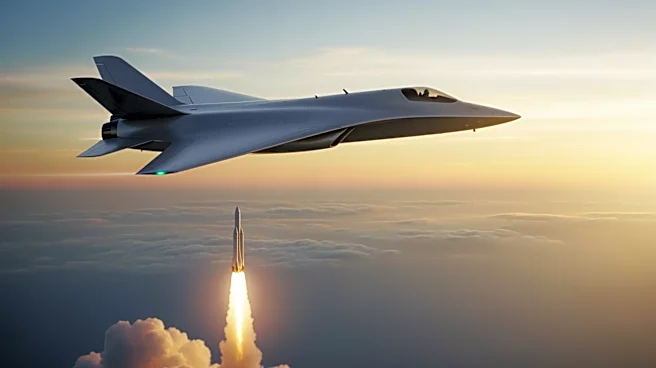
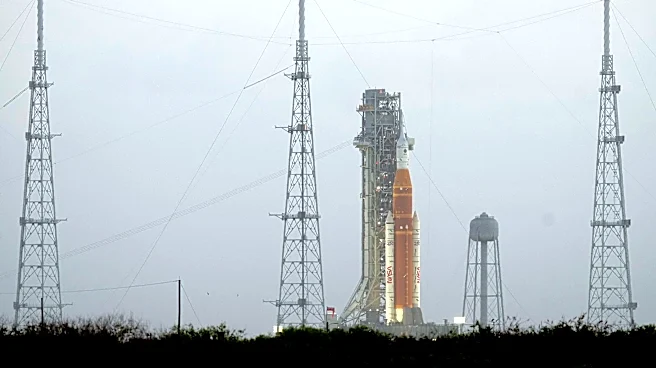
A rarely seen Boeing 737-200, designated NT-43A, used by the US Air Force, participated in NASA's Artemis II space launch. The NT-43A, typically used for evaluating radar signatures of stealth aircraft, was observed over Florida during the launch. The Boeing Space
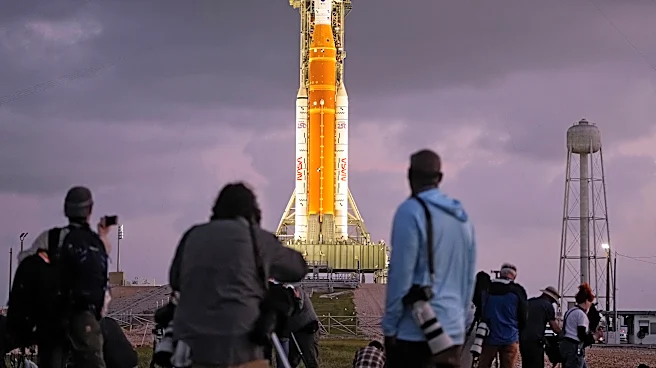
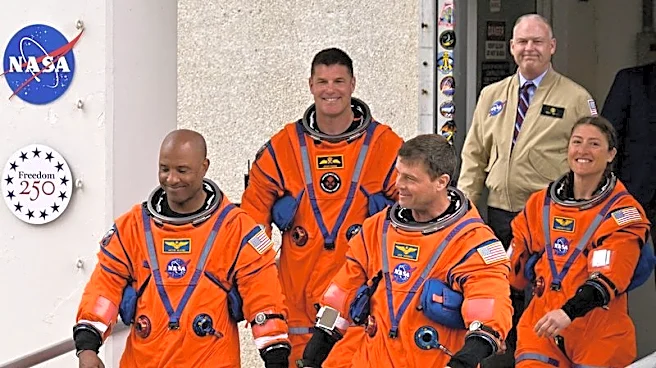
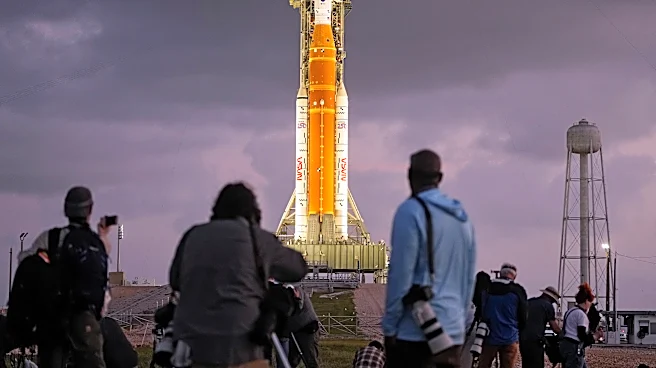
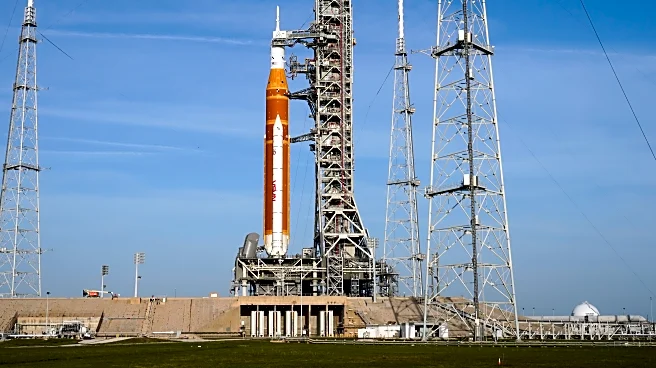
Launch System (SLS) rocket carried four astronauts on a 10-day mission to orbit the moon. The NT-43A took off from MacDill AFB in Tampa and maintained a holding pattern offshore near Cape Canaveral during the launch. The airspace was restricted to civil aviation by a NOTAM alert from the FAA. The NT-43A returned to Tampa after the launch, with a flight time of under two hours. The specific role of the NT-43A in the mission remains undisclosed.
Why It's Important?
The involvement of the NT-43A in the Artemis II launch underscores the strategic importance of military assets in supporting space exploration missions. The NT-43A's participation highlights the collaboration between military and space agencies, which can enhance mission success and safety. This event also reflects the ongoing interest in and development of stealth and radar technologies, crucial for national defense and aerospace advancements. The use of such specialized aircraft in space missions may lead to further integration of military capabilities in civilian space exploration, potentially influencing future mission planning and execution.
What's Next?
The role of the NT-43A in future space missions may become more defined as the US continues to advance its space exploration goals. The collaboration between NASA and the military could expand, potentially involving more sophisticated technologies and aircraft. The Artemis program's progress will be closely watched, with subsequent missions possibly incorporating additional military support. The development of stealth and radar technologies will likely continue, with implications for both defense and space sectors. Stakeholders, including government agencies and aerospace companies, may explore new partnerships and innovations to enhance mission capabilities.