







What's Happening?
The Claremont Colleges consortium has been affected by two significant power outages this fall, leading to disruptions in campus operations and prompting questions about the reliability of electrical infrastructure. According to Laura Muna-Landa, Chief
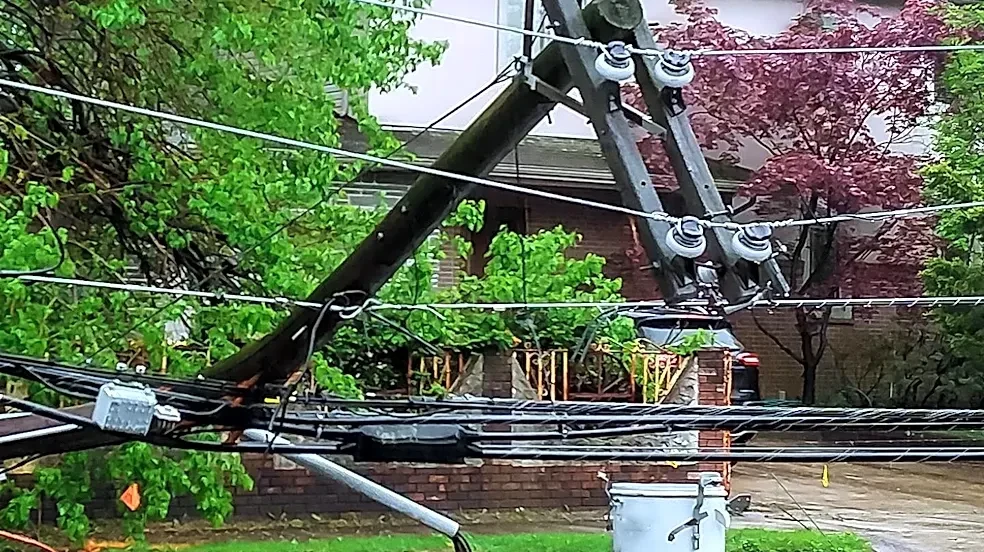
Communications Officer of The Claremont Colleges Services (TCCS), the incidents were caused by damage to an electrical line during construction and a power interruption from Southern California Edison (SCE). On September 14, buildings at Claremont McKenna College, Scripps College, and Harvey Mudd College lost power when a contractor struck an electrical line during construction on the Scripps campus. A subsequent outage on October 12 impacted Claremont McKenna College, Scripps College, and Pitzer College, primarily due to an interruption in SCE's power supply. While most buildings quickly switched to auxiliary power, some experienced prolonged outages due to separate mechanical issues at the substation. These events have caused inconveniences, including temporary loss of Wi-Fi and electronic room lock functionality, and in one instance, a student was trapped in an elevator.
Why It's Important?
These repeated power outages at the Claremont Colleges underscore a critical issue for educational institutions and large campuses across the U.S.: the vulnerability of aging or inadequately maintained electrical infrastructure. The disruptions affect not only daily academic and residential activities but also raise significant safety concerns, as evidenced by the student trapped in an elevator. For colleges and universities, reliable power is essential for everything from research labs and data centers to student housing and emergency services. Frequent outages can lead to academic setbacks, operational inefficiencies, and a diminished quality of campus life, potentially impacting student enrollment and institutional reputation. The reliance on external utility providers like Southern California Edison also highlights the broader challenge of grid stability and the need for robust backup systems and proactive maintenance within institutional frameworks.
What's Next?
The Claremont Colleges Services (TCCS) and Central Facilities Services (CFS) are committed to strengthening campus systems against future power outages. Laura Muna-Landa stated that CFS has undertaken extensive repairs and improvements to enhance system reliability, including replacing the consortium substation's aging computer control system in 2026, which has reportedly improved operational performance and reduced unplanned outages. TCCS and CFS plan to continue prioritizing preventive maintenance, infrastructure improvements, and coordination with the colleges to ensure safe and reliable electrical service. This proactive approach aims to mitigate the impact of future disruptions and address the underlying causes of infrastructure vulnerability. The incidents may also prompt a review of construction protocols to prevent accidental damage to critical utility lines.
Beyond the Headlines
The power outages at the Claremont Colleges reveal a broader challenge faced by many large, interconnected institutions: balancing modernization with the maintenance of existing infrastructure. While new construction is a sign of growth, it also introduces risks to established systems, as seen with the damaged electrical line. The incidents also highlight the human element of such disruptions, from students adapting to cold lunches and outdoor classes to the anxiety of being trapped in an elevator. This situation could spur greater investment in smart grid technologies and localized energy solutions, such as microgrids, to enhance campus resilience. Furthermore, it emphasizes the importance of clear communication and emergency protocols during outages, ensuring that students and staff are informed and safe. The ongoing efforts to improve the substation's control system reflect a recognition that technological upgrades are crucial for preventing future widespread disruptions.