


What's Happening?
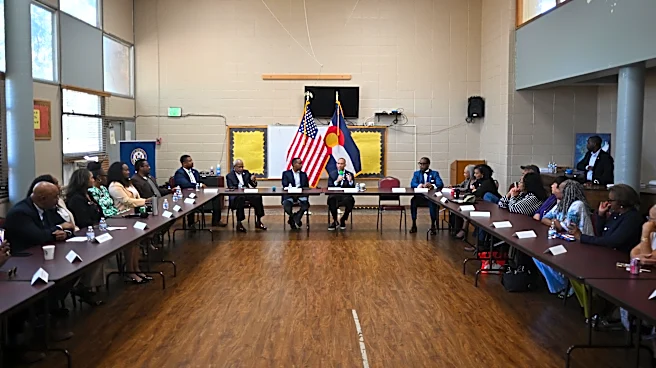
Boise’s E-Mobility Task Force convened its third monthly meeting at Boise City Hall, moving closer to finalizing a set of recommendations for the Boise City Council. The task force is focusing on areas of consensus, which include implementing potential
speed caps for e-mobility devices on the Greenbelt and enforcing helmet use for riders under the age of 16. Discussions also covered strategies for enforcing these new regulations and how the city can enhance public education on safe e-mobility practices. Emily Allen, representing the city of Boise, stated that the current focus is on clearly articulating areas of consensus and distinguishing between educational initiatives and policy changes. The task force also plans to engage with local school districts, including the Boise School District and the West Ada School District, to gather feedback from young people regarding e-mobility use.
Why It's Important?
These proposed recommendations by the E-Mobility Task Force could significantly impact how residents and visitors utilize Boise's Greenbelt and other public spaces. The introduction of speed caps aims to enhance safety for all users, potentially reducing accidents involving e-mobility devices and pedestrians or cyclists. Mandating helmet use for minors underscores a commitment to public health and safety, particularly for vulnerable younger riders. If adopted, these policies could set a precedent for other cities grappling with the integration of e-mobility into urban infrastructure. The involvement of school districts in gathering youth feedback highlights a proactive approach to policy-making, ensuring that the perspectives of a key user group are considered. This initiative reflects a broader trend in urban planning to balance technological advancements in transportation with public safety and community well-being.
What's Next?
The E-Mobility Task Force is in the process of finalizing its recommendations. Once these proposals are complete, the task force intends to present them to the Boise City Council during a scheduled work session in February. Following the presentation, the City Council will likely review the recommendations, potentially leading to public hearings or further discussions before any new ordinances or policies are enacted. The collaboration with local school districts to gather youth feedback will continue, ensuring a comprehensive understanding of the issues from various community segments. The implementation of any new rules will also necessitate the development of enforcement mechanisms and public awareness campaigns to ensure compliance and educate residents on safe e-mobility practices.
Beyond the Headlines
The discussions surrounding e-mobility in Boise touch upon broader societal challenges related to urban planning, public safety, and the integration of new technologies. The debate over speed limits and helmet mandates reflects a tension between individual freedom and collective safety, a common theme in regulatory efforts. Ethically, the city is balancing the convenience and environmental benefits of e-mobility with the potential risks to public health and safety. Legally, any new ordinances would need to be carefully crafted to ensure enforceability and avoid unintended consequences. Culturally, the adoption of such policies could influence how residents perceive and interact with shared public spaces, potentially fostering a more safety-conscious environment or, conversely, leading to debates over personal liberties. This initiative could serve as a model for other municipalities facing similar challenges in managing the rapid proliferation of e-mobility devices.