


What's Happening?
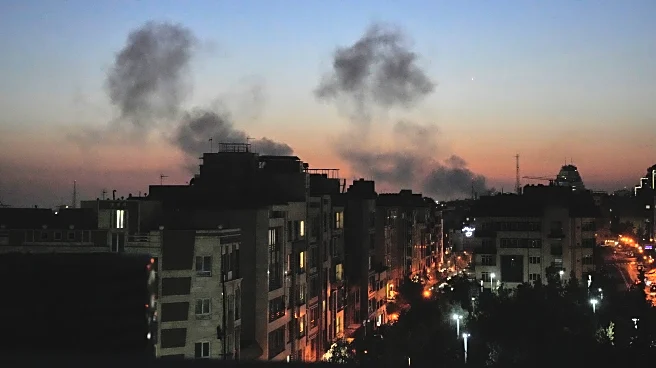
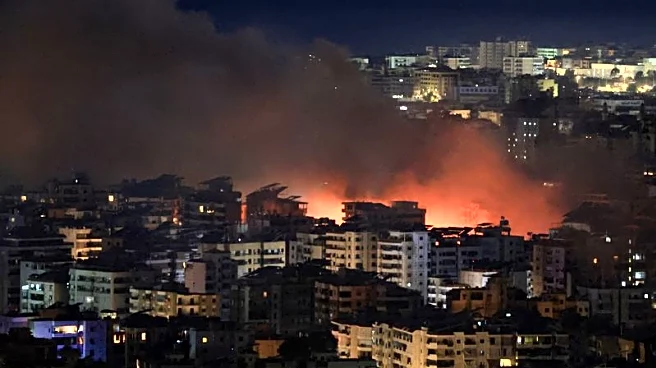
Consultancy Wood Mackenzie (WoodMac) has reported that the ongoing conflict in the Middle East could significantly disrupt the forecasted growth of Asian liquefied natural gas (LNG) demand over the next decade. The conflict has led to QatarEnergy, a state-owned
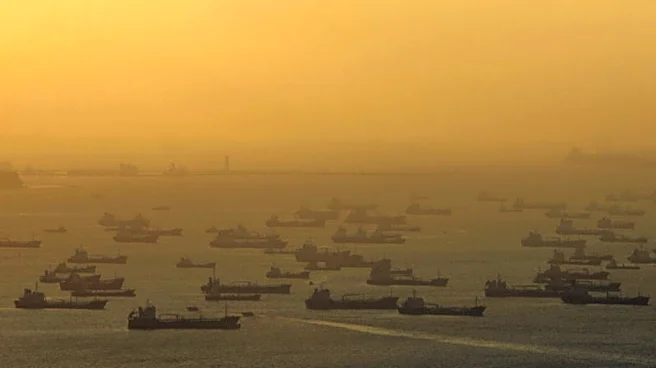
oil company, declaring force majeure on LNG shipments, which removes 20% of the global supply. This situation is reminiscent of the disruptions seen after Russia's 2022 invasion of Ukraine, which had long-term impacts on global gas and LNG markets. The consultancy highlights that the crisis exposes the concentration risk for countries heavily reliant on Middle Eastern LNG, prompting a potential shift in how buyers approach long-term supply contracts. WoodMac suggests that the crisis could lead to increased diversification of supply sources, with countries like the U.S., Canada, Mozambique, and Argentina potentially capitalizing on the uncertainty.
Why It's Important?
The disruption in LNG supply due to the Middle East conflict poses significant challenges for global energy markets, particularly in Asia, which is a major consumer of LNG. The potential reduction in supply could lead to increased energy prices and force countries to reconsider their energy strategies, possibly accelerating the shift towards renewable energy sources. The situation underscores the importance of supply diversification to mitigate risks associated with geopolitical conflicts. For the U.S., this presents an opportunity to expand its LNG exports, although domestic energy policies could pose challenges. The crisis also highlights the need for structural changes in the LNG industry to enhance reliability and reduce volatility, similar to those seen in the oil market.
What's Next?
The immediate priority is resolving the conflict to stabilize LNG supply. In the longer term, reinforcing supply reliability and minimizing price volatility will be crucial to maintaining LNG's role in meeting energy demands. This may involve building spare capacity and increasing storage levels, requiring significant investment and coordinated efforts. The industry may also need to adopt new strategies to rebuild buyer confidence and ensure energy security.