










What's Happening?
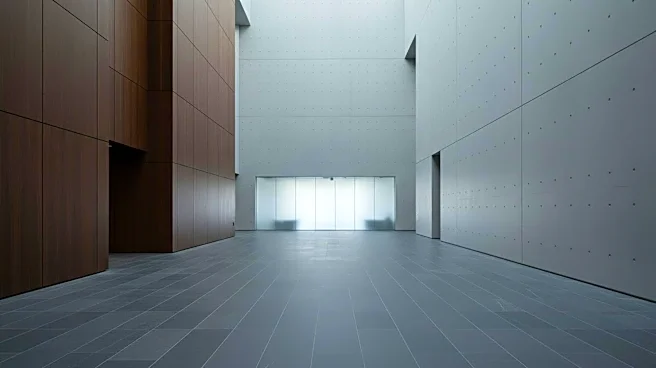
Northglenn, Colorado, has completed the performance period for its new 32,000 square foot city hall, which is now in the final review process for CORE certification by the International Living Future Institute. This certification would make it Colorado's
first certified CORE project and one of the first municipal buildings in the U.S. to achieve this status. The city hall features fully electric building systems designed to achieve net-zero operational energy performance. It includes 476 solar panels with a capacity of 195 kW, generating 252,759 kWh in its first year. The building materials used have contributed to a 50% reduction in embodied carbon compared to conventional buildings. The structure also boasts a super-insulated envelope and high-efficiency HVAC systems.
Why It's Important?
The pursuit of CORE certification for Northglenn's city hall underscores a growing trend towards sustainable building practices in municipal projects. Achieving net-zero energy performance and reducing carbon emissions are critical steps in addressing climate change and promoting environmental responsibility. This project sets a precedent for other municipalities, potentially influencing future public building designs across the U.S. By reducing operational costs through energy efficiency, the city can allocate resources to other community needs. Additionally, the project highlights the role of local governments in leading sustainability efforts, which can inspire similar initiatives in the private sector.
What's Next?
If the CORE certification is granted, Northglenn's city hall will serve as a model for sustainable municipal buildings nationwide. This could lead to increased interest and investment in similar projects, encouraging other cities to adopt sustainable practices. The success of this project may also prompt further innovations in building design and construction, focusing on energy efficiency and carbon reduction. Stakeholders, including local governments and environmental organizations, may advocate for policy changes to support sustainable building practices, potentially influencing building codes and standards.