






What's Happening?
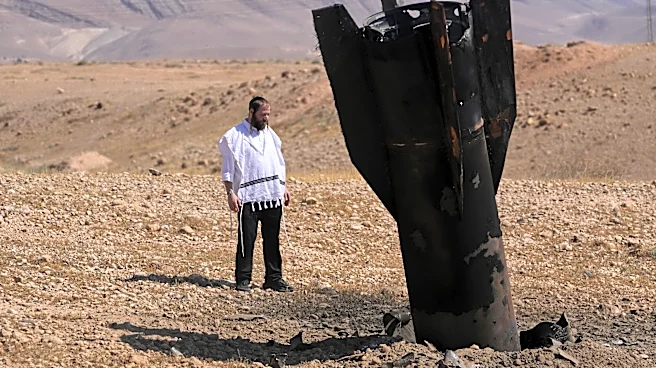
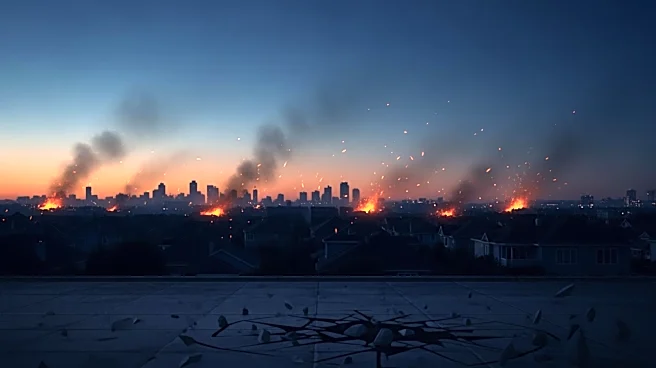
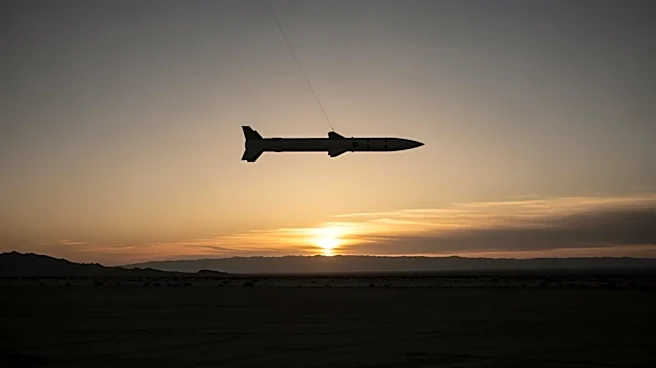
The conflict between the United States, Israel, and Iran has reached a critical point as missile strikes have resumed despite a ceasefire that had been in place for two months. President Trump had previously urged Israel to refrain from escalating the situation,
but recent developments suggest a loss of control over the conflict's trajectory. The ongoing hostilities raise questions about the effectiveness of diplomatic efforts and the stability of the region.
Why It's Important?
The renewed missile exchanges between Israel and Iran highlight the fragile nature of ceasefires in volatile regions and the challenges faced by the U.S. in maintaining influence over its allies. This situation could have significant implications for U.S. foreign policy, potentially affecting diplomatic relations and military strategies in the Middle East. The conflict's escalation may also impact global oil markets and international security, with broader consequences for geopolitical stability.
What's Next?
As tensions continue to rise, the international community will likely monitor the situation closely, with potential calls for renewed diplomatic efforts to de-escalate the conflict. The U.S. may face pressure to reassess its approach to the region, balancing military support with diplomatic engagement. The outcome of these developments could influence future U.S. foreign policy decisions and its role in Middle Eastern affairs.