






What's Happening?
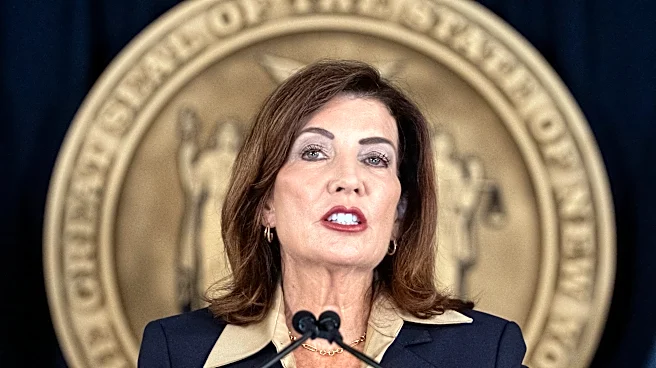
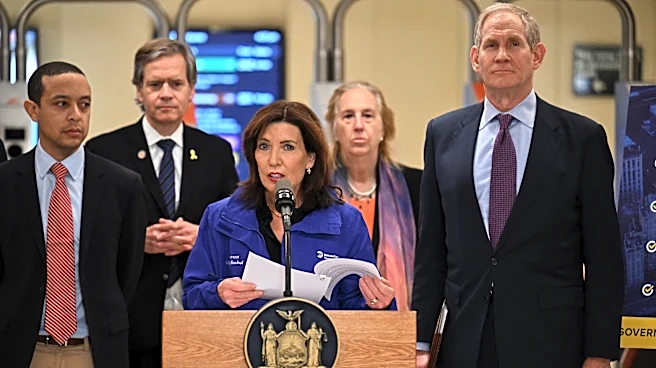
Governor Kathy Hochul has signed three new pieces of legislation aimed at strengthening protections for victims and survivors of violence and exploitation across New York State. These laws enhance privacy for individuals whose intimate images have been
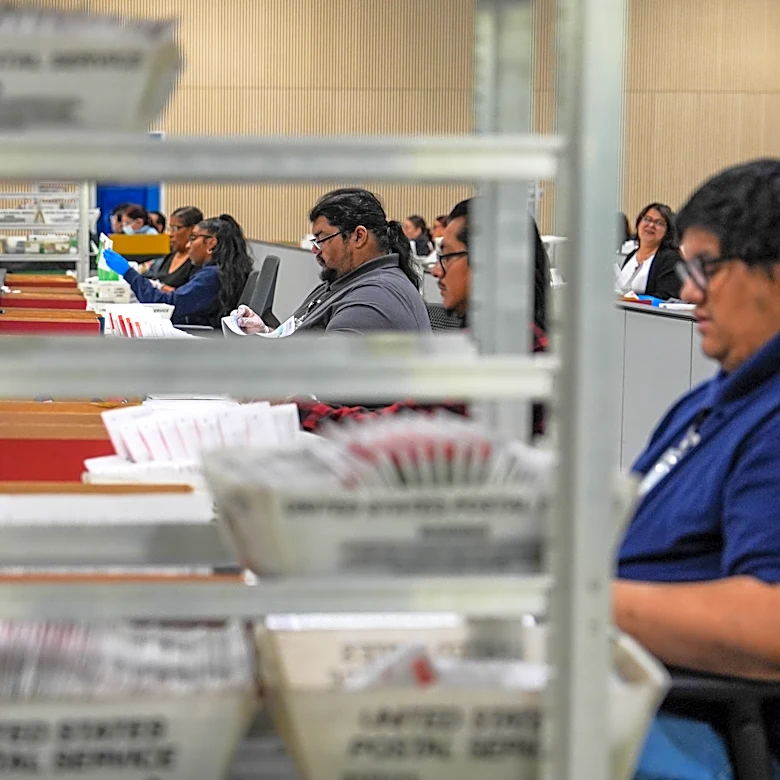
nonconsensually shared, establish penalties for hotels and motels failing to display required human trafficking awareness information, and mandate notifications for domestic violence survivors before their voter registration confidentiality expires. The Address Confidentiality Program will now include victims of nonconsensual intimate image sharing, allowing them to keep their new home addresses private. Additionally, lodging facilities that do not comply with displaying information on services for human trafficking victims will face civil penalties. The New York State Board of Elections (BOE) is now required to notify domestic violence survivors six months before their confidential voter registration status lapses, providing instructions for renewal. This builds on previous legislation from 2021 that allowed survivors to directly request confidentiality from the BOE.
Why It's Important?
This legislative package is crucial for enhancing the safety net for vulnerable populations in New York. By expanding privacy protections for victims of nonconsensual intimate image sharing, the state acknowledges the severe emotional and physical risks associated with such violations, offering a vital mechanism for personal safety. The penalties for non-compliant hotels and motels underscore a commitment to combating human trafficking, ensuring that critical resources are visible and accessible to those in need, potentially disrupting trafficking networks that often utilize such establishments. Furthermore, safeguarding the voter registration confidentiality of domestic violence survivors is essential for their continued safety and civic participation, preventing abusers from using public records to locate them. These measures collectively reinforce New York's dedication to survivor-centered, trauma-informed, and culturally responsive policies, aiming to empower individuals to rebuild their lives free from fear and further exploitation.
What's Next?
The newly enacted laws will require immediate implementation by various state agencies and private entities. The Office for the Prevention of Domestic Violence (OPDV) and the Office of Victim Services (OVS) will likely play key roles in disseminating information about the expanded Address Confidentiality Program and ensuring that victims of nonconsensual intimate image sharing are aware of their new protections. Hotels and motels across the state will need to review and update their compliance with human trafficking awareness display requirements to avoid civil penalties. The New York State Board of Elections will be tasked with establishing a system to proactively notify domestic violence survivors about the impending expiration of their voter registration confidentiality. Continued advocacy from organizations like the New York State Coalition Against Domestic Violence and the New York Cyber Abuse Task Force will be vital in monitoring the effectiveness of these laws and identifying any further needs for survivor protection.
Beyond the Headlines
These legislative actions reflect a broader societal recognition of evolving forms of violence and exploitation, particularly in the digital age with nonconsensual intimate image sharing. The emphasis on privacy and accessibility of resources highlights a shift towards proactive measures rather than solely reactive responses. Ethically, these laws affirm the right to privacy and safety for all individuals, especially those who have experienced trauma. The inclusion of civil penalties for businesses that fail to comply with human trafficking awareness mandates signals a growing expectation for corporate responsibility in addressing social issues. Culturally, these measures contribute to a more supportive environment for survivors, encouraging them to come forward and seek assistance without fear of further harm or exposure. This comprehensive approach aims to foster a more just and secure society for all New Yorkers.