
What's Happening?
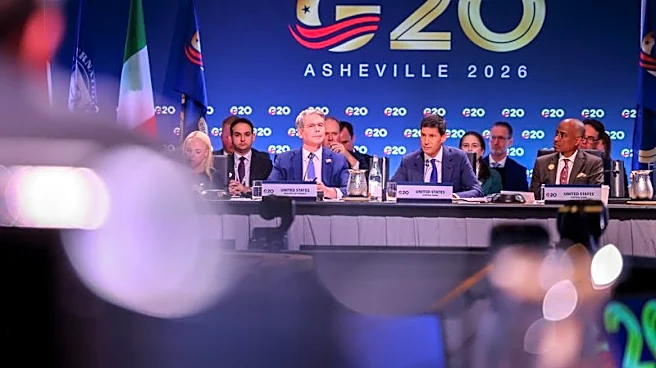
The U.S. Treasury Department denied credentials to several journalists from major news organizations, including The New York Times, The Wall Street Journal, and Bloomberg News, preventing them from covering
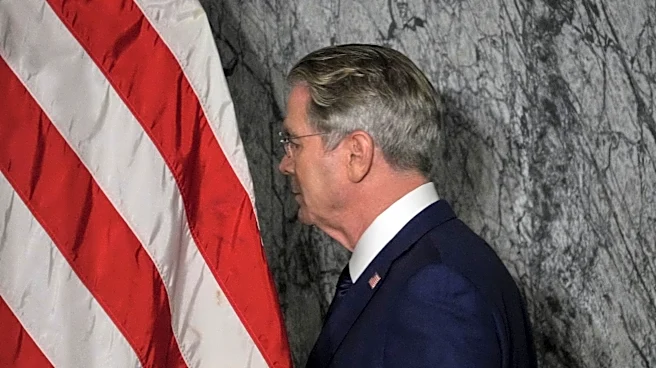
a G20 finance ministers' meeting in Asheville, North Carolina. This decision marks another instance of President Trump's administration restricting media access. Treasury Secretary Scott Bessent stated that the decision was not related to the journalists' viewpoints. Alan Rappeport of The New York Times, who has covered such meetings since 2017, was among those denied access, although another Times reporter was permitted to attend. The New York Times condemned the action as a disturbing effort to undermine independent journalism and evade public scrutiny, especially given the critical topics on the G20 agenda, such as the war in Iran, sanctions, bond markets, and inflation. Bloomberg News also reported that numerous journalists, including those based in Europe and Asia, had their accreditation requests rejected, calling it an undermining of media freedom and public accountability.
Why It's Important?
This incident raises significant concerns about press freedom and transparency within the U.S. government. Denying access to journalists from prominent news outlets at an international finance meeting limits the public's ability to be fully informed about critical economic and geopolitical discussions that directly impact the U.S. and global economies. The G20 meeting addresses issues like global financial stability, trade, and economic growth, making comprehensive and independent reporting essential for public understanding and accountability. Restricting media access can create an environment where government actions and decisions are less scrutinized, potentially leading to a less informed public and reduced trust in institutions. This practice also sets a concerning precedent for future interactions between the government and the press, potentially eroding democratic norms that uphold a free and independent media as a cornerstone of a healthy democracy. The lack of a clear explanation for the denials further exacerbates these concerns, suggesting arbitrary decision-making.
What's Next?
The incident is likely to intensify the ongoing tensions between the Trump administration and the U.S. news media. Media organizations and press freedom advocates are expected to continue to challenge such restrictions, potentially through public statements, legal actions, or increased advocacy for greater transparency. The broader implications could include a continued erosion of trust between the press and the government, and potentially more restrictive access policies in future government events. International observers may also scrutinize the U.S.'s commitment to press freedom, especially as it hosts global events. The incident may also prompt discussions within journalistic circles about strategies to ensure access and maintain independent reporting in an increasingly challenging environment. The public's reaction to these restrictions will also be a factor in how these dynamics evolve.
Beyond the Headlines
Beyond the immediate impact on news coverage, this event touches upon fundamental principles of democratic governance and the role of the press. The administration's actions could be seen as part of a broader pattern of challenging established media institutions and controlling narratives. This approach can have long-term effects on the public's perception of truth and the reliability of information, potentially contributing to political polarization and distrust in mainstream news. The incident also highlights the vulnerability of press access, even for well-established organizations, when faced with executive discretion. It underscores the importance of a robust and independent judiciary and legislative oversight to safeguard constitutional rights, including freedom of the press. The ongoing struggle for media access reflects a deeper societal debate about the balance between government control and public transparency in an era of rapid information dissemination and political contention.