



What's Happening?
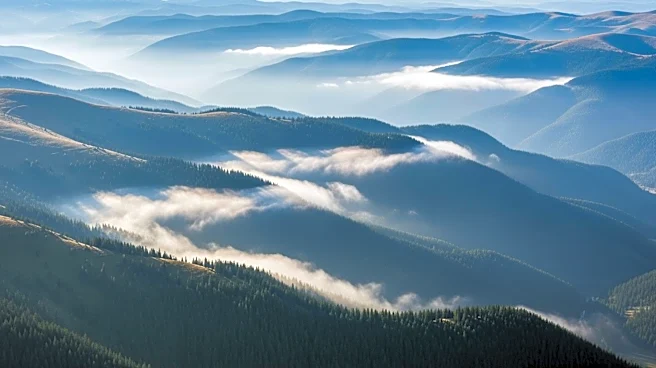
NASA's Terra satellite has captured striking images of fog patterns in the Victorian Alps of Australia, highlighting the region's unique autumnal weather phenomena. The Moderate Resolution Imaging Spectroradiometer (MODIS) on the satellite recorded morning
fog filling river valleys in eastern Victoria, a common occurrence during the Southern Hemisphere's autumn. The fog forms as the atmosphere cools overnight, reaching the dew point and allowing water vapor to condense into radiation fog. This type of fog is prevalent in mountain valleys, where it lingers longer due to shading. The imagery also shows an arch-shaped cloud over Port Phillip Bay, formed by converging land and sea breezes interacting with the bay's terrain. These natural phenomena are part of the seasonal changes that occur in the region, providing valuable data for understanding atmospheric conditions.
Why It's Important?
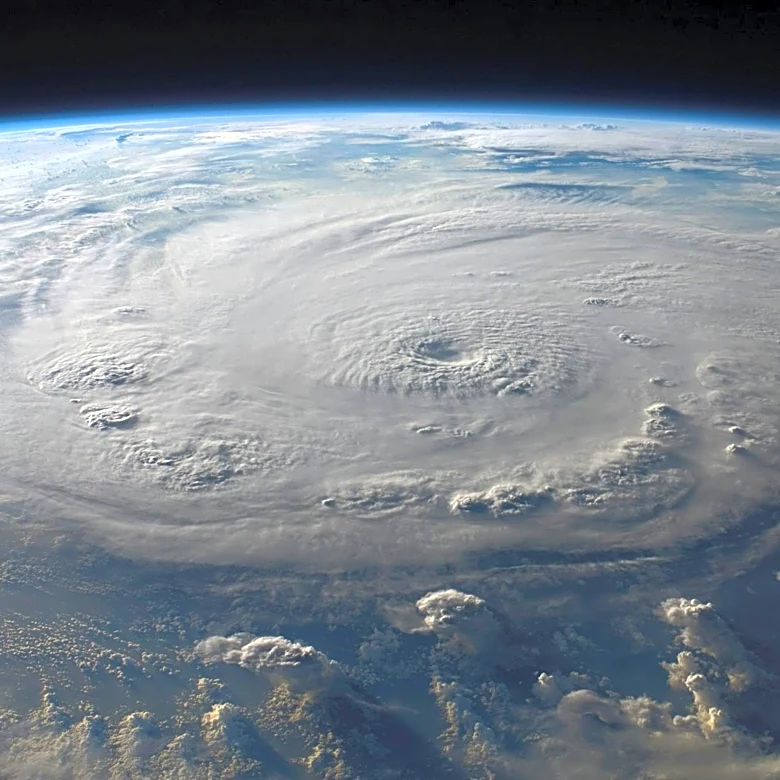
The imagery captured by NASA's Terra satellite is crucial for studying atmospheric conditions and understanding weather patterns in the Southern Hemisphere. Such data can aid in climate research, helping scientists predict weather changes and their potential impacts on the environment. The ability to monitor fog and cloud formations from space provides insights into local and regional climate dynamics, which can inform environmental management and policy decisions. Additionally, these observations contribute to global climate models, enhancing our understanding of Earth's atmospheric processes and their implications for climate change.