


What's Happening?
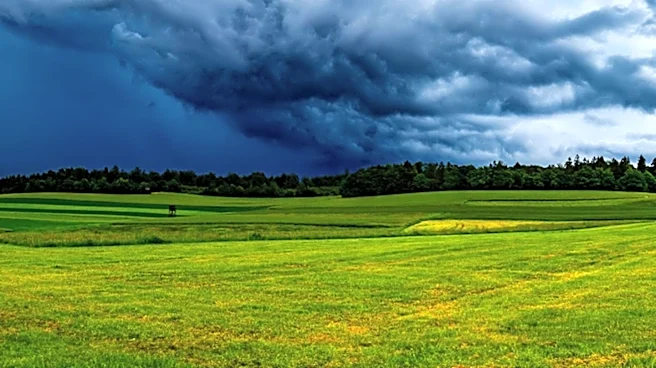
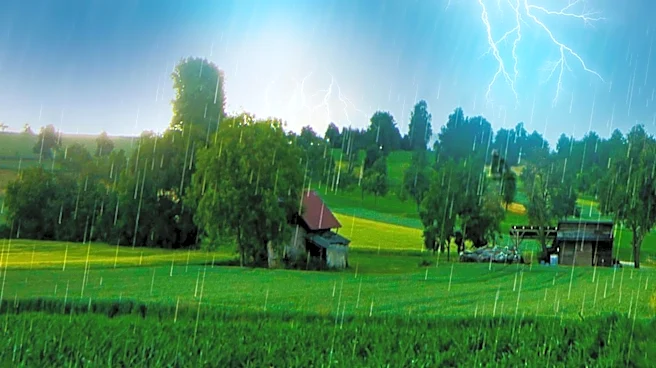
Recent research by climate risk modeling firm First Street highlights that severe convective storms (SCS) now pose a greater threat to homeowners than traditional weather events like hurricanes and floods. In 2025, insurance payouts from SCS surpassed
those from cyclones, marking them as the costliest insured natural disasters globally. The U.S. is particularly affected, with $68 billion of the $82 billion in global losses concentrated in the country. These storms, characterized by short-duration but high-impact events such as hail, wind, and tornadoes, are becoming more frequent due to climate change. North Carolina, along with states like Illinois, Ohio, and Georgia, is identified as being at high risk due to its dense real estate areas, particularly in cities like Charlotte.
Why It's Important?
The increasing frequency and intensity of severe convective storms have significant implications for homeowners and the insurance industry. As these storms become more common, insurance premiums are likely to rise, particularly in high-risk areas like the Midwest and northern Texas. This trend could lead to higher costs for homeowners and potentially impact the housing market. The concentration of valuable real estate in the U.S. exacerbates the financial impact, as more properties are at risk of damage. The shift in weather patterns underscores the need for updated risk assessments and insurance models to better prepare for and mitigate the economic losses associated with these storms.
What's Next?
As severe convective storms continue to increase in frequency, homeowners and insurers may need to adapt by reassessing coverage options and implementing more robust risk management strategies. Policymakers might also consider revising building codes and infrastructure planning to enhance resilience against such weather events. The insurance industry could face pressure to innovate and offer products that better align with the evolving risk landscape. Additionally, there may be increased advocacy for climate change mitigation efforts to address the root causes of these intensifying weather patterns.