


What's Happening?
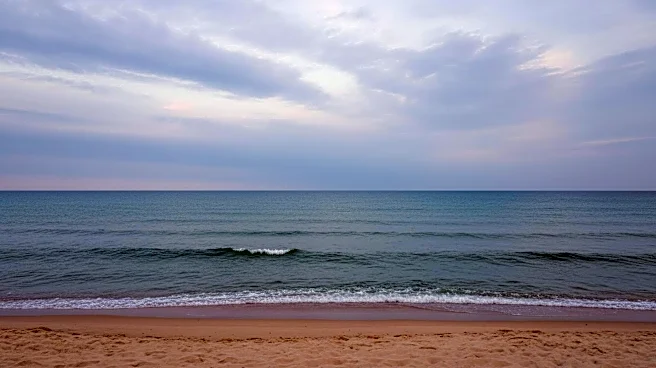
A 15-year-old New Jersey resident, Taha Badar, died after being pulled from Lake Michigan near Michigan City in northwest Indiana on Monday afternoon. LaPorte County officials received a call around 1:50 p.m. regarding a juvenile struggling in the water.
Firefighters, police officers, lifeguards, and the U.S. Coast Guard responded to the area of Lake Shore Drive and Shawmut Drive to conduct a search. The teen was eventually located and removed from the water. Despite rescue efforts, Taha Badar was pronounced dead shortly after being transported to an area hospital. No further details regarding the incident have been released by authorities.
Why It's Important?
This tragic incident underscores the inherent dangers of open water, particularly large bodies like Lake Michigan, and serves as a somber reminder of the importance of water safety. The death of a young person highlights the need for increased awareness, education, and vigilance regarding swimming conditions, currents, and the use of personal flotation devices. For communities along Lake Michigan, such events often prompt discussions about beach safety measures, lifeguard presence, and public warning systems. It also brings attention to the potential risks faced by visitors who may be unfamiliar with local water conditions. The incident can have a profound emotional impact on the local community and the victim's family, emphasizing the fragility of life and the suddenness with which tragedy can strike.
What's Next?
Authorities are likely to continue their investigation into the circumstances surrounding Taha Badar's death, though no further information has been immediately released. This may involve reviewing witness accounts, assessing water conditions at the time, and examining any contributing factors. The incident could lead to renewed calls for enhanced water safety protocols, public awareness campaigns, or increased supervision at popular swimming spots along Lake Michigan. Local officials and emergency services may evaluate their response procedures to identify any areas for improvement. For the community, the focus will likely shift to supporting the grieving family and reinforcing water safety messages to prevent future tragedies.
Beyond the Headlines
The death of a teen in Lake Michigan extends beyond a single tragic event, touching upon broader societal issues related to youth safety, recreational risks, and the responsibility of public spaces. It raises questions about how effectively communities communicate water hazards, especially to tourists or those less familiar with specific locations. The incident might also spark conversations about the psychological impact of such events on first responders and the community at large. Furthermore, it could contribute to a wider dialogue on the balance between enjoying natural recreational areas and implementing stringent safety measures, particularly in environments with unpredictable elements like strong currents or sudden depth changes. The long-term implication could be a re-evaluation of how public beaches are managed and how water safety education is integrated into community outreach programs.