





What's Happening?
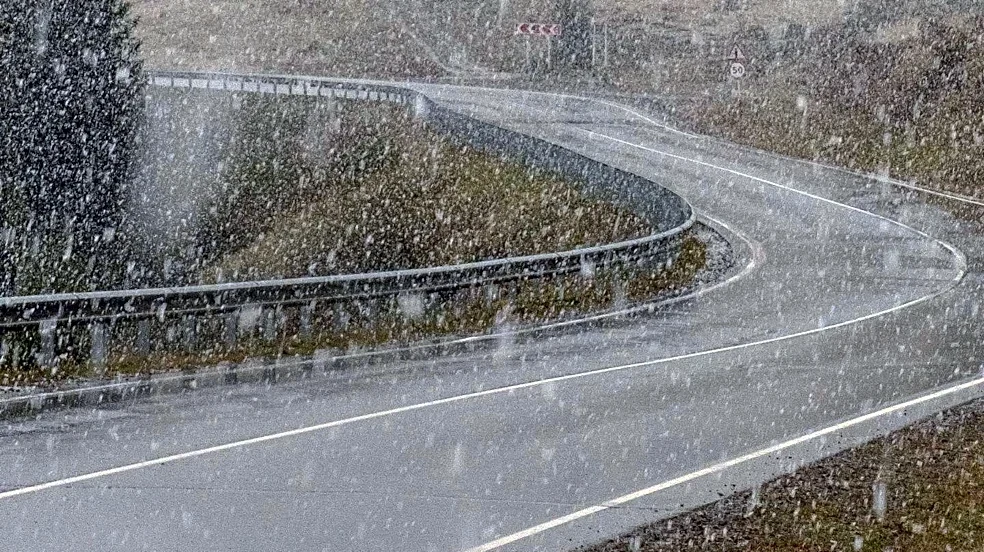
Jammu and Kashmir are currently experiencing widespread rain and fresh snowfall in higher elevations, leading to a significant drop in temperatures. The Mughal Road, a crucial alternative route connecting the Kashmir Valley with the Jammu region, has
been closed due to the snowfall. Officials have deployed personnel and machinery to clear the affected stretches. Udhampur recorded the highest rainfall at 59.6 mm, with other areas like Poonch, Samba, and Shopian also receiving substantial precipitation. Srinagar recorded 12 mm of rain overnight, and its maximum temperature reached 17.4 degrees Celsius, while the minimum was 6 degrees Celsius. Higher reaches, including tourist spots like Sonamarg and Gulmarg, have reported fresh snowfall. The Meteorological Centre Srinagar forecasts light to moderate rain and light snowfall in higher reaches for Thursday, with generally dry conditions expected from October 16 to October 24. Another spell of unsettled weather with light rain and snowfall is possible from October 25 to 27.
Why It's Important?
The adverse weather conditions in Jammu and Kashmir have immediate and significant impacts on daily life and regional connectivity. The closure of the Mughal Road disrupts transportation and trade between the Kashmir Valley and the Jammu region, potentially affecting the movement of goods and people. The dip in temperatures and heavy rainfall, which has triggered flash flood-like situations in some areas, poses risks to infrastructure and public safety. For the agricultural sector, particularly farmers, the forecast of adverse weather necessitates careful storage of harvested crops like apples and paddy to prevent losses. The disruption to tourist destinations like Sonamarg and Gulmarg due to snowfall can also impact the local tourism economy, which is a vital part of the region's livelihood. Travelers and transporters are advised to exercise caution and plan their journeys meticulously, highlighting the broader implications for regional logistics and economic activity.
What's Next?
Authorities are actively working to clear snow from the Mughal Road, and traffic movement will resume once the roads are deemed safe. Travelers and transporters are advised to monitor traffic advisories and plan their journeys carefully, especially when navigating mountain passes and roads. The Meteorological Centre Srinagar has issued a forecast indicating generally dry conditions from October 16 to October 24, which could offer a temporary reprieve from the current weather disruptions. However, another spell of unsettled weather, including light rain and snowfall, is anticipated from October 25 to October 27. Farmers are urged to take precautions and safely store their harvested crops in anticipation of continued adverse weather. The focus will remain on maintaining road accessibility and ensuring public safety amidst the fluctuating weather patterns.
Beyond the Headlines
The recurring challenges posed by severe weather in regions like Jammu and Kashmir underscore the broader need for resilient infrastructure and robust disaster preparedness. The closure of critical routes like the Mughal Road highlights the vulnerability of mountainous regions to climatic events and the importance of alternative transportation networks. Beyond immediate disruptions, these weather patterns can have long-term effects on regional development, influencing agricultural practices, tourism investment, and the overall economic stability of communities dependent on these sectors. The continuous adaptation of local populations to such environmental challenges also reflects a deep-seated cultural resilience, where traditional knowledge often complements modern forecasting and infrastructure efforts to mitigate risks. This situation serves as a reminder of the intricate relationship between geography, climate, and human activity in shaping regional livelihoods and development trajectories.