






What's Happening?
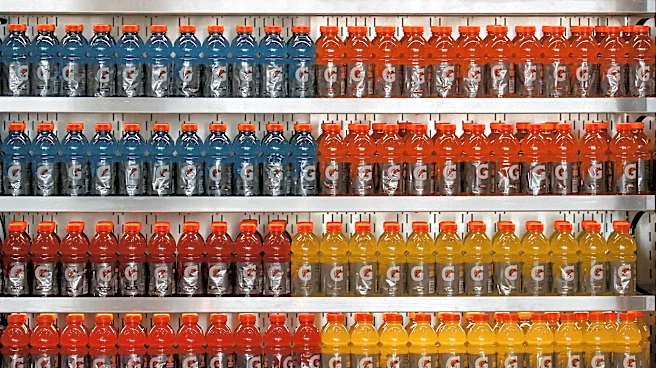
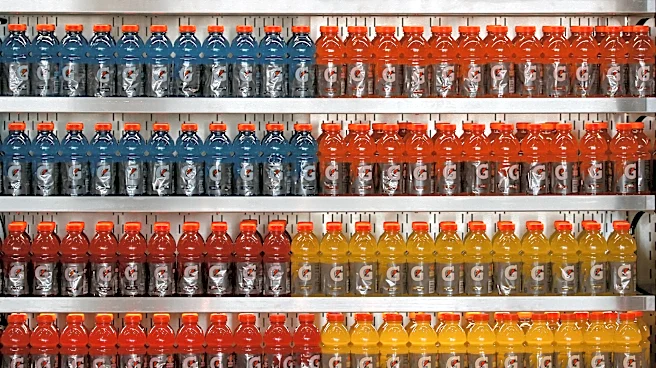
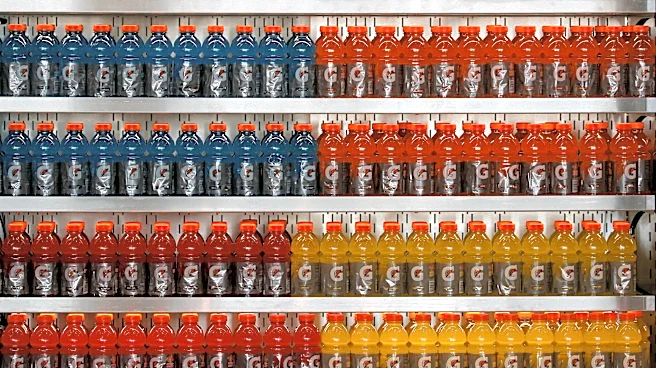
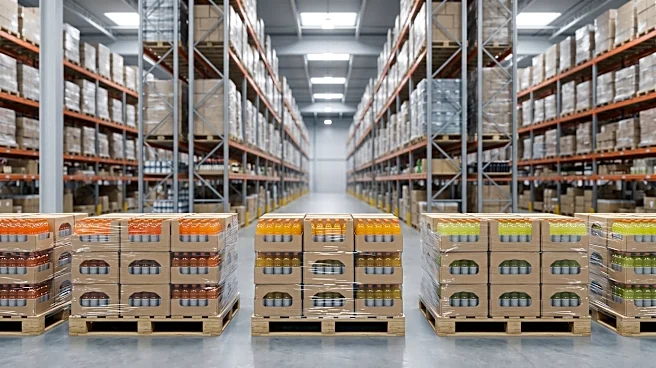
PepsiCo has initiated a recall of approximately 122,000 cases of Gatorade due to the presence of undeclared food dyes, specifically Yellow No. 6 and potentially Yellow No. 5. The recall, classified as a Class II by the FDA, affects 28-ounce bottles of Lemon
Lime, Lemon Lime Zero, Orange, and Orange Zero flavors. A Class II recall indicates that the product may cause temporary or medically reversible adverse health consequences. The recall is voluntary, meaning PepsiCo notified the FDA to begin the process. The affected products were distributed across 37 states, including Alaska, Alabama, Arizona, Arkansas, California, Colorado, Florida, Georgia, Hawaii, Idaho, Illinois, Indiana, Iowa, Kansas, Kentucky, Louisiana, Michigan, Minnesota, Mississippi, Missouri, Nebraska, Nevada, New Jersey, New Mexico, New York, North Carolina, North Dakota, Ohio, Oklahoma, Pennsylvania, South Carolina, South Dakota, Tennessee, Texas, Utah, Washington, and Wisconsin. Neither the FDA nor Gatorade has provided specific guidance on what consumers should do if they possess recalled products, and no refund announcements have been made by the brand.
Why It's Important?
This recall highlights ongoing concerns regarding food labeling accuracy and consumer safety, particularly for individuals with sensitivities or allergies to specific ingredients. While the dyes are FDA-approved in the U.S., some states have restrictions on their use, and the FDA itself aims to remove Yellow No. 5 and Yellow No. 6, along with other synthetic dyes, from the food supply by the end of the year. This move reflects a broader trend towards cleaner labels and increased transparency in the food and beverage industry. For consumers, the recall underscores the importance of scrutinizing product labels, even for well-known brands. For PepsiCo, it could lead to a review of their labeling and quality control processes to prevent future incidents, potentially impacting consumer trust and brand reputation. The incident also brings attention to the availability of alternative electrolyte products that do not contain artificial dyes, offering consumers more choices for hydration.
What's Next?
The FDA's stated goal to remove Yellow No. 5 and Yellow No. 6 from the food supply by the end of the year suggests a potential shift in regulatory standards for food dyes. This could lead to broader changes across the food and beverage industry, compelling manufacturers to reformulate products to comply with new guidelines or face similar recalls. Consumers may see an increase in products marketed as 'dye-free' or 'natural colors.' For PepsiCo, the immediate next steps will likely involve managing the logistics of the recall and addressing consumer inquiries, though no specific guidance on refunds has been issued. The company may also face increased scrutiny from regulatory bodies and consumer advocacy groups. In the long term, this incident could accelerate the industry's move towards more transparent ingredient lists and the use of alternative coloring agents, impacting product development and marketing strategies.
Beyond the Headlines
The Gatorade recall, while seemingly minor due to the FDA's classification of 'medically reversible adverse health consequences,' touches upon deeper ethical and public health considerations. The continued use of synthetic food dyes, despite growing consumer demand for natural ingredients and regulatory pushes for their removal, raises questions about corporate responsibility and the balance between product aesthetics and public health. The fact that these dyes are restricted in some states but approved federally points to a fragmented regulatory landscape that can confuse consumers and complicate compliance for manufacturers. This incident could fuel further debate on the necessity and safety of artificial additives in everyday consumables, potentially influencing consumer purchasing habits towards brands that prioritize natural ingredients. It also highlights the power of regulatory bodies like the FDA to shape industry practices and protect public health, even when the immediate health risks are deemed temporary.