




What's Happening?
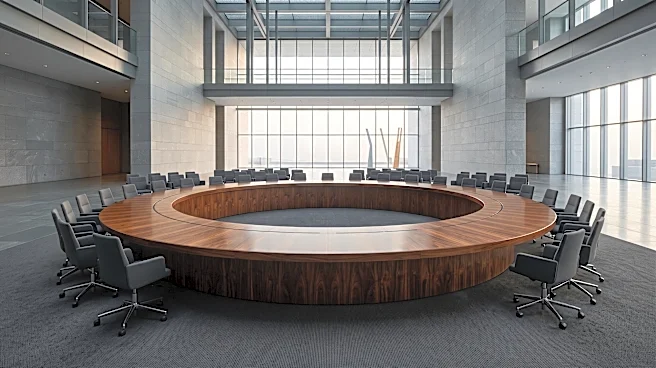
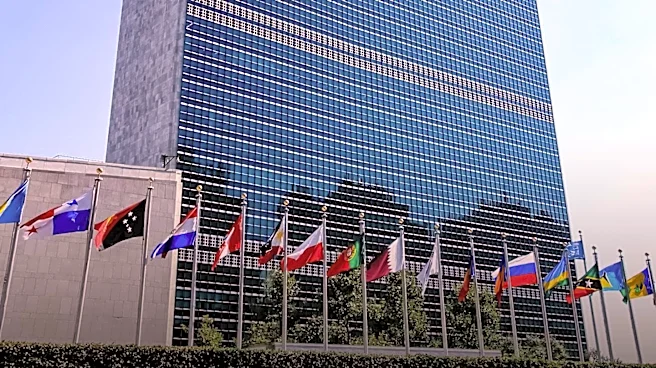
The 2026 Stockholm Forum on Peace and Development has commenced in Sweden, gathering over 450 participants from more than 100 countries. The forum's theme, 'From Rupture to Repair: New Visions for Peace and Development,' aims to move beyond crisis management
and current narratives of gridlock to focus on transformative solutions for global peace, security, and development challenges. Stefan Löfven, Chair of the SIPRI Governing Board, emphasized the opportunity to provoke new thinking and strengthen collective resolve, acknowledging that the rupture in the global security architecture is a failure of diplomacy and conflict prevention, but also a chance to prioritize human-centered security. The opening panel, 'After the Rupture: What Now?', discussed the fracture in the global order and the emergence of new ideas to shape the future, with discussions highlighting the need for trust-building and effective conflict resolution.
Why It's Important?
This forum is crucial for addressing the current instability in global security and fostering new approaches to peace and development. The discussions aim to challenge existing paradigms and seek innovative solutions, which can influence international policy-making and diplomatic efforts. For the U.S. and its allies, participating in and contributing to such dialogues is vital for shaping a more stable global environment and addressing shared security concerns. The emphasis on human-centered security and conflict transformation, rather than just crisis management, could lead to more sustainable peace initiatives. The forum also provides a platform for diverse voices, including those from the Global South and youth, to contribute to shaping future international relations and security frameworks.
What's Next?
The forum will continue with various sessions and discussions, culminating in a closing plenary titled 'Making Peace the Rational Choice.' This session will integrate perspectives on political leadership, human behavior, climate and security, and the role of trust in building sustainable peace. The discussion will explore how institutions, relationships, and security approaches can be transformed to address the underlying drivers of conflict and division. The goal is to challenge the logic that often reinforces mistrust and divisions, instead seeking to make peace a realistic and rational political choice. The insights and recommendations generated from these discussions are expected to inform future policy dialogues and initiatives by international organizations, governments, and civil society actors.
Beyond the Headlines
The forum's focus on 'rupture to repair' signifies a deeper recognition of systemic failures in the current global order. This goes beyond immediate conflict resolution to address fundamental issues of trust, inequality, and the application of universal laws. The call for new visions suggests a potential shift away from traditional power-centric security models towards more inclusive and human-centric approaches. This could lead to a re-evaluation of international institutions and their effectiveness, potentially fostering new forms of multilateral cooperation. The emphasis on youth involvement and diverse perspectives also highlights a growing understanding that sustainable peace requires broad societal engagement and a departure from top-down approaches, potentially influencing long-term geopolitical strategies and development aid frameworks.